News Summary
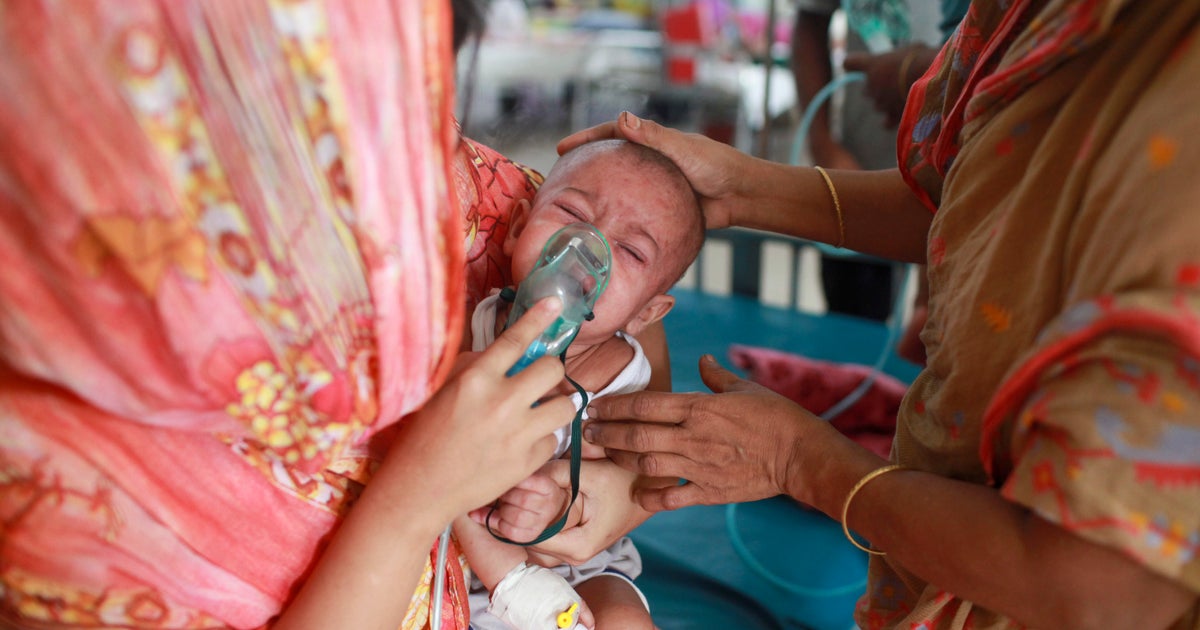
A large measles outbreak in Bangladesh has killed nearly 400 people and produced more than 56,000 suspected cases, according to the country's Directorate General of Health Services and regional reporting. Cases have more than doubled since early April and are reported in 58 of 64 districts; hospitals are described as overwhelmed and some patients treated on floors. UNICEF and other aid groups say many infected children were too young to be vaccinated or received only one dose after changes in government vaccine supply created a multi-year immunity gap. The Bangladeshi government, with support from UNICEF and WHO, launched an emergency measles vaccination campaign on May 5 that has reportedly reached an initial target of vaccinating 18 million children. The World Health Organization and CDC note measles is highly contagious and can cause severe complications, including death. The U.S. Centers for Disease Control and Prevention warns international outbreaks can threaten countries with sub‑95% vaccination coverage. The article reports U.S. measles cases at levels not seen in decades: 1,842 confirmed cases recorded by the CDC as of May 7, 2026, across 39 states and jurisdictions, with most cases among unvaccinated children or those of unknown vaccination status. MMR coverage among U.S. kindergartners has fallen from about 95% pre-pandemic to around 92% nationally in recent data. Public-health experts cited in the article express concern about international travel (including World Cup attendance) increasing the risk of importation and sustained transmission in areas with low vaccination rates.
Biblical Reflection
The article is primarily factual and grounded in public-health reporting: it cites official case counts, international agency guidance, and concrete program responses. Its emphasis on risk to the U.S. reflects a real epidemiological truth—measles spreads quickly across borders—but that framing can also pull attention away from the immediate humanitarian crisis in Bangladesh and the practical needs of affected children and health systems. From a Christian perspective, the facts call for both sober discernment and compassionate action. Sober discernment means attending to reliable data (vaccination coverage, confirmed case counts, agency guidance) and resisting panic or politicized narratives that use outbreaks to stoke fear. Compassionate action follows Jesus' call to care for the vulnerable: the story highlights children suffering from preventable disease, overwhelmed hospitals, and gaps in vaccine access. Christians should reject narratives that treat public health as only an individual choice divorced from communal responsibility; Scripture commends stewardship of community wellbeing (protecting children and the vulnerable) and truth-seeking about causes and remedies. Practically, this outlook suggests supporting evidence-based public-health measures, advocating for restored and equitable immunization programs, offering humanitarian aid, and speaking against misinformation that undermines effective prevention. At the same time, believers should be careful not to conflate reasonable public-health measures with idolatry of state power or to let partisan frames determine how we treat suffering people.
Scripture in context
This outlook does not yet include contextual Scripture citations. Do not treat a general biblical theme as an exegetical conclusion.
Faithful Response
No prescribed response is offered. Consider the reflection prompts below in your own church context.
Reflection and Discussion
- 1Whose suffering is centered in this report—people in Bangladesh or risks to wealthier countries—and how does that framing shape our emotional and policy response?
- 2What assumptions about individual freedom versus communal responsibility underlie debates about vaccination, and how should a Christian ethic of loving our neighbor inform that balance?
- 3Am I responding with informed compassion (supporting evidence-based aid and prevention) or with fear and suspicion that can lead to misinformation or neglect of those in immediate need?
Sources
Reporting links are evidence inputs; Sanctuary News' biblical reflection is commentary.
This outlook currently relies on fewer than two linked sources. Broaden verification before teaching from it.
- 1.Original reportprimary