News Summary
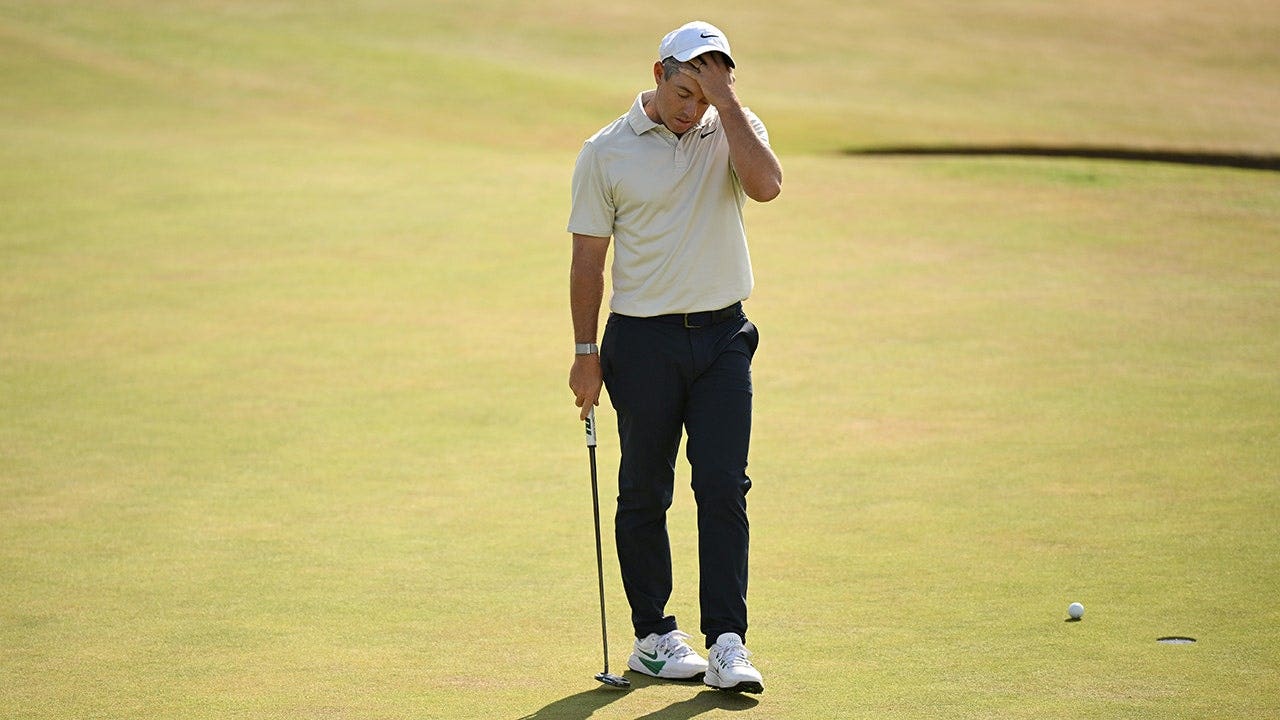
Facts: At the 2026 Open Championship (Royal Birkdale), Bryson DeChambeau was assessed a two-stroke penalty after rules officials reviewed footage they said showed he had improved the area around his backswing; Ryan Fox won the tournament. Rory McIlroy told reporters he believed DeChambeau's conduct was 'performative' and criticized the delay while DeChambeau decided whether to continue. Reported or attributed claims: Commentators Nick Faldo and Brandel Chamblee criticized DeChambeau before the event; some players (including Xander Schauffele) defended him; DeChambeau reportedly considered withdrawing in protest. Opinion: The article’s author argues McIlroy’s public criticism is hypocritical, citing a series of past incidents involving McIlroy. Uncertainties: Intent behind DeChambeau's actions (careless vs. deliberate), the specifics of any delay to tee times, and independent verification of some historical incidents cited about McIlroy are not fully documented within this single article.
Source and Framing Analysis
Source role: The supplied material is an opinion/column piece (OutKick on Fox News) combining event reporting with interpretation and character critique. Missing voices: the R&A or tournament officiating statement explaining the rule decision, a direct, full statement from DeChambeau, independent rules experts, and neutral eyewitness accounts of any alleged delay are absent. Incentives and framing: as an opinion column, the piece aims to engage readers with a provocative thesis (McIlroy’s hypocrisy) and therefore emphasizes past incidents that support that claim. Disputed claims and verification needs: whether DeChambeau intentionally improved his lie, whether his actions delayed tee times, and the accuracy and context of the McIlroy incidents; these require primary-source rulings, video evidence, and independent reporting. Readers should verify quoted remarks, official rulings, and other factual assertions through the tournament organizers and multiple independent reports.
Biblical Reflection
This piece is an opinion column framing a rules dispute and media controversy as part of broader personalities in professional golf. From a Christian perspective, the story raises questions about public accountability, the temptation to score rhetorical points rather than seek understanding, and how quickly commentators (and teammates) move from fact to character judgment. The facts reported — a rules review, a two‑shot penalty, quoted remarks from McIlroy — matter and deserve careful, dispassionate scrutiny; the column’s emphasis on past incidents as evidence of hypocrisy reflects an adversarial framing that can harden public opinion. Christians are called to speak truth with humility; when coverage highlights conflict and moralizing, readers should separate verifiable facts (penalty, quotes, contest outcome) from opinionated inferences about motive, then listen for missing voices (the official R&A ruling explanation, DeChambeau’s formal statement) before reaching moral conclusions.
Scripture in context
- 1Matthew 7:1-5 — In the Sermon on the Mount, Jesus teaches against hypocritical judgment, using the image of noticing a speck in another’s eye while ignoring the plank in one’s own; the passage addresses the propensity to criticize others without self-awareness and calls for honest self-examination before judging. — When public figures are criticized, our first response should ask how we or our leaders might share responsibility; public criticism should be tempered by humility and by an effort to speak truth that seeks correction rather than public shaming.
Faithful Response
1) Verify facts before repeating judgments: seek official rulings, full quotes, and neutral analyses. 2) Practice measured speech: when discussing public controversies, focus on confirmed actions and avoid speculative motives. 3) Pray for those involved and model restorative language in conversations and social media.
Reflection and Discussion
- 1Which details in this article are established facts, and which are the author’s interpretations or character judgments?
- 2Whose perspective is missing from the story (official rules explanation, the athlete’s full response, neutral experts), and how would that perspective change my judgment?
- 3When I hear a public criticism, do I apply the same standard to similar actions by people I favor?
Sources
Reporting links are evidence inputs; Sanctuary News' biblical reflection is commentary.
This outlook currently relies on fewer than two linked sources. Broaden verification before teaching from it.
- 1.Rory McIlroy should be the last golfer to criticize others for 'performative' behaviorprimary_reporting