News Summary
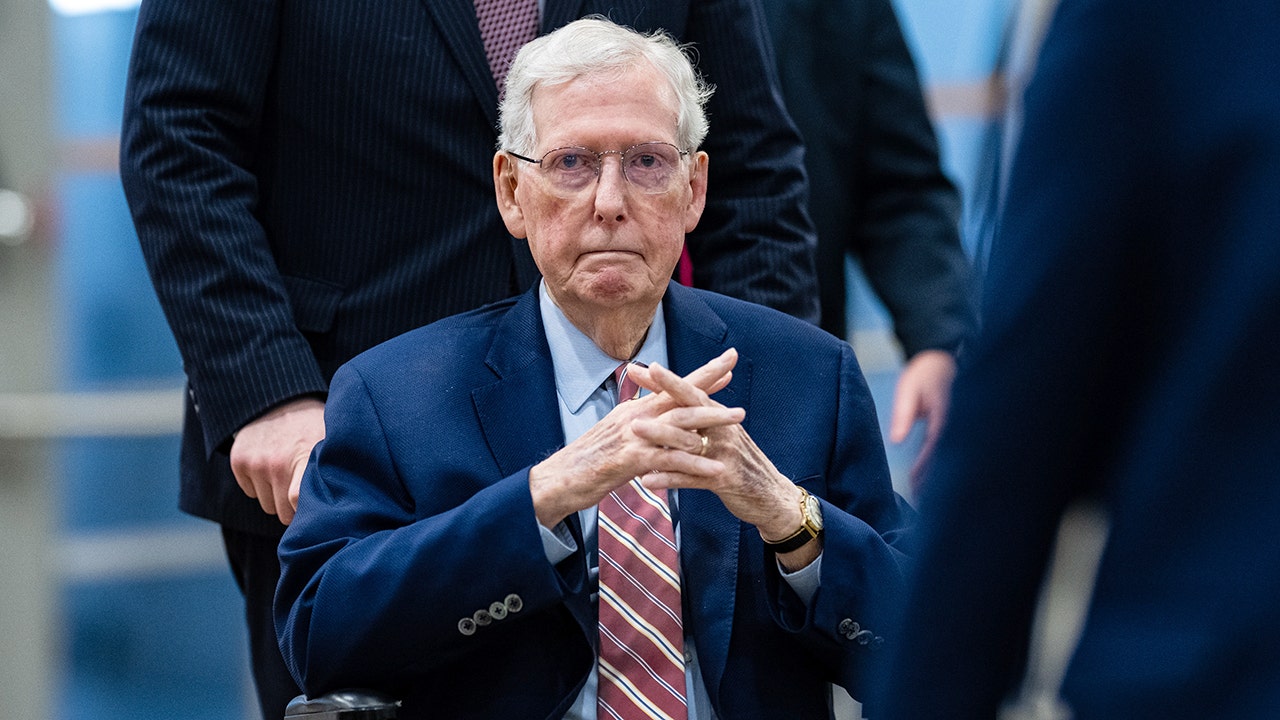
Senate Republicans have struggled to secure the votes needed to pass the Safeguarding American Voter Eligibility (SAVE) America Act; the bill has reached 50 votes only twice and remains blocked by unified Democratic opposition and the 60-vote legislative filibuster. Senate Minority/Republican figures such as Mitch McConnell have routinely opposed versions of the bill; McConnell has been absent from the Senate for several weeks due to health issues, leaving his position on the measure temporarily unrecorded. President Trump and other proponents want the SAVE Act passed and have pushed options including eliminating the filibuster, using a ‘talking filibuster’ reform, or seeking a budget reconciliation route. House Republican leaders, including Speaker Mike Johnson, say they will pursue reconciliation and have passed versions of the measure in the House multiple times, but senators including Mike Lee and John Thune express skepticism or legal concerns about reconciliation’s viability for the bill’s provisions. The administration’s preferred version includes stricter limits on mail-in voting and other provisions such as bans related to transgender athletes and medical procedures for minors, though the House has not passed that exact package in its current form. Overall, party divisions within the GOP and the filibuster remain major obstacles to the bill’s passage, and McConnell’s temporary absence removes one documented Senate ‘no’ but does not resolve the larger vote math.
Biblical Reflection
This article reports on a political maneuvering moment: the temporary absence of a single senator changes the arithmetic but not the underlying obstacles to passing sweeping election law changes. The reporting centers on strategy and power—who can gather votes and which parliamentary tools can be used—more than on the substantive claims the legislation makes about election integrity. Christians should watch such debates with care: the integrity of elections and equal access to civic participation are matters of justice and neighbor-love, yet political power-lust can tempt leaders to prioritize victory over fair process. The piece implicitly frames the dispute around legislative tactics and personalities (Trump, McConnell, Senate leaders) rather than the concrete effects of policy changes on communities (for example, impacts on voters, marginalized groups, or state-federal balance). Readers should test claims on both factual grounds (do proposed changes solve demonstrated problems?) and moral grounds (who is helped or harmed?), resisting narratives that reduce civic life to zero-sum contests for advantage. Finally, Christians ought to pray for humility and truthfulness from leaders, for institutions that safeguard peaceful transfer of power, and for policies that protect both electoral security and broad, non-discriminatory access to the ballot.
Scripture in context
This outlook does not yet include contextual Scripture citations. Do not treat a general biblical theme as an exegetical conclusion.
Faithful Response
No prescribed response is offered. Consider the reflection prompts below in your own church context.
Reflection and Discussion
- 1Does the push to change Senate rules or use reconciliation reflect a priority for procedural expediency over broad, deliberative consensus about voting rights?
- 2Who stands to gain or lose materially from the proposed provisions (voter ID rules, mail-in limits, bans affecting transgender people), and whose voices are centered in the debate?
- 3Are public claims about election vulnerabilities supported by transparent evidence, or are they primarily serving political ends?
Sources
Reporting links are evidence inputs; Sanctuary News' biblical reflection is commentary.
This outlook currently relies on fewer than two linked sources. Broaden verification before teaching from it.
- 1.Original reportprimary