News Summary
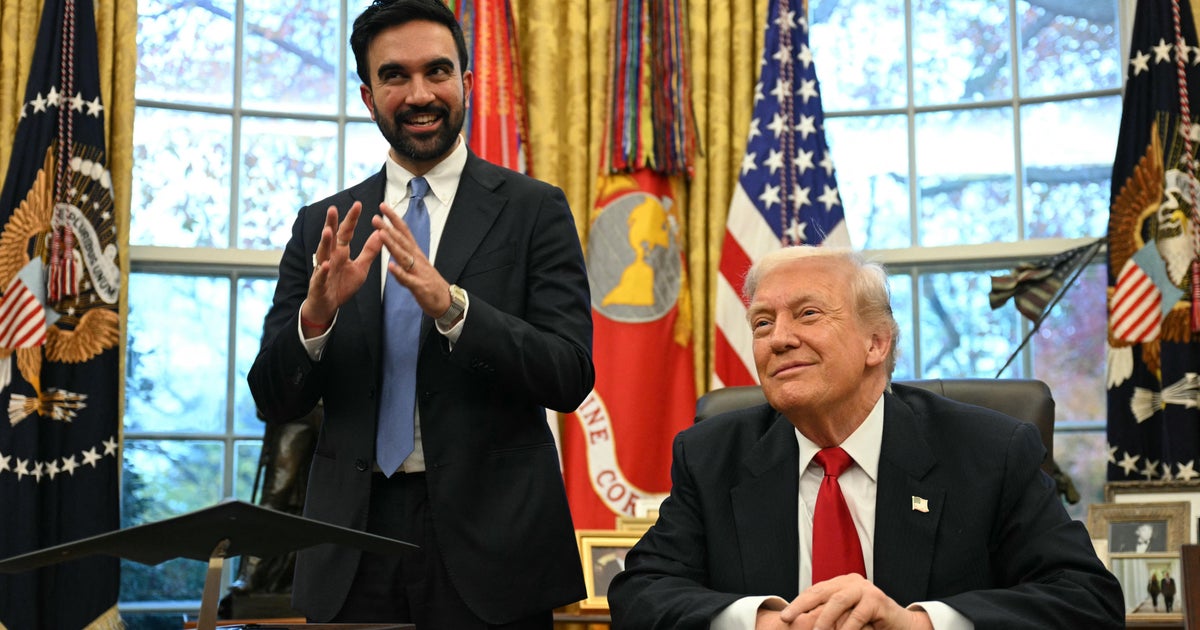
New York City Mayor Zohran Mamdani said in an April 16, 2026 interview on CBS Mornings that he and President Donald Trump remain in contact, are candid about their many disagreements, and share a commitment to improving New York City. The article notes a White House meeting between the two in November, when Trump praised Mamdani and they pledged to work together, and a follow-up meeting in February that included discussions about housing development. Mamdani identified the Iran war as a major policy disagreement, calling it morally wrong and criticizing proposed spending of roughly $30 billion on the conflict while domestic needs are unmet. He said he and Trump have discussed foreign policy but declined to detail the frequency or nature of private communications. The piece contextualizes this cooperation as a change from earlier hostility during the mayoral campaign, when Trump had opposed Mamdani and at times threatened legal action against him.
Biblical Reflection
This report highlights civic cooperation across deep political divides, which Christians should welcome insofar as it advances the common good. The article's core message — that two leaders with sharp ideological differences can still find points of agreement for the benefit of their city — aligns with biblical calls to pursue peace and to work for the welfare of one’s community. At the same time, readers should be discerning: media coverage often emphasizes personality or novelty (a former campaign antagonist now meeting cordially with the president) over concrete policy outcomes. Evaluate both the sincerity of public civility and the substance of policy agreements. Mamdani’s moral framing of opposition to the Iran war raises legitimate ethical questions about the human cost of conflict and stewardship of public resources; Christians should weigh such claims against Scripture’s teachings on the value of human life, just war, and care for the vulnerable. Finally, be wary of false binaries that present cooperation as either betrayal or pure compromise; faithful civic engagement requires both courage to oppose injustice and wisdom to collaborate where it leads to real flourishing.
Scripture in context
This outlook does not yet include contextual Scripture citations. Do not treat a general biblical theme as an exegetical conclusion.
Faithful Response
No prescribed response is offered. Consider the reflection prompts below in your own church context.
Reflection and Discussion
- 1Does the coverage emphasize the novelty of cordial relations more than the concrete policy results for New Yorkers? What might be lost or gained by that emphasis?
- 2When leaders from opposing camps agree publicly, how should we weigh their stated intentions against measurable actions that affect vulnerable people?
- 3Are moral arguments (e.g., opposition to war on ethical grounds) being presented as policy or as character testimony — and how should Christians assess both kinds of claims?
Sources
Reporting links are evidence inputs; Sanctuary News' biblical reflection is commentary.
This outlook currently relies on fewer than two linked sources. Broaden verification before teaching from it.
- 1.Original reportprimary