News Summary
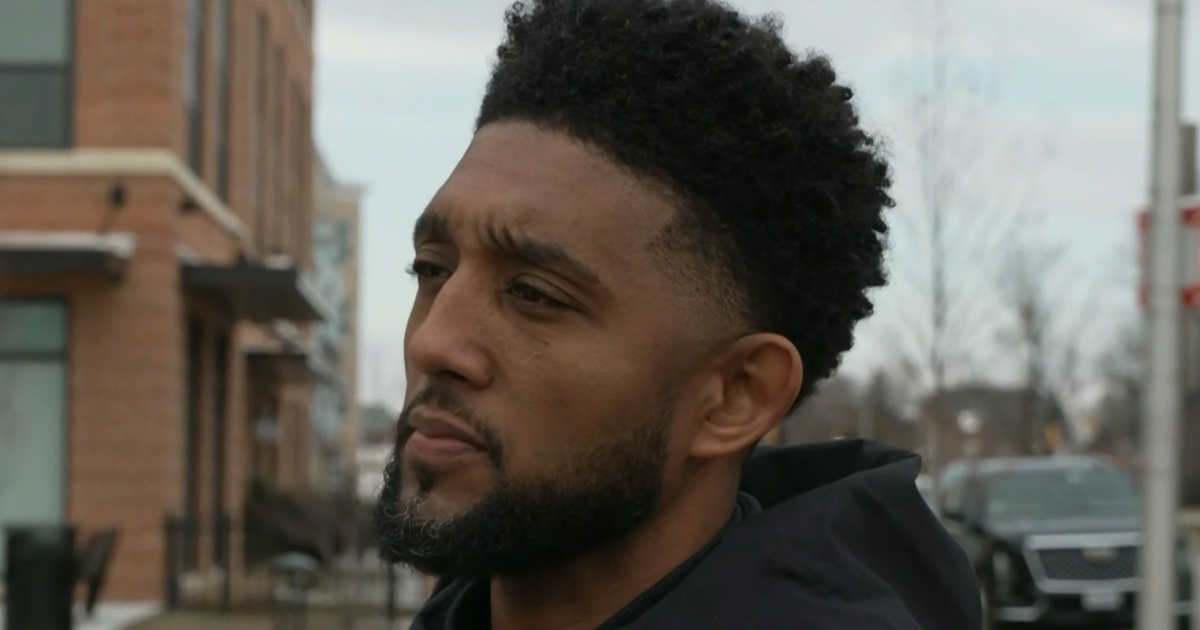
The article explores Baltimore's recent progress in addressing urban decay, crime, and population decline. Mayor Brandon Scott, in office since 2020, argues that the city is showing significant improvement: the number of vacant buildings is down 25%, the population grew in 2024, and the murder rate has dropped to its lowest point in nearly 50 years. Scott highlights a 15-year, $3 billion strategy targeting vacant properties and crime, emphasizing community partnership and new housing development. This narrative counters former President Trump's negative portrayal of Baltimore, where he refused to visit, called it a 'hellhole,' and suggested sending the National Guard. The article features Scott's efforts to revitalize neighborhoods and improve the city's reputation, presenting Baltimore as a 'comeback story.'
Biblical Reflection
Through the lens of Scripture, this story is a testament to hope, perseverance, and the redemptive power of communal effort. Mayor Scott’s leadership and the city's turnaround resonate with biblical principles of restoration, stewardship, and loving one's neighbor. The focus on addressing blight, reducing crime, and fostering community involvement reflects a commitment to seeking the welfare of the city (Jeremiah 29:7). However, the political rhetoric from outside—marked by condemnation and a lack of willingness to engage firsthand—contrasts with Christ’s call to compassion, presence, and truth-seeking rather than broad condemnation (John 8:7). While Baltimore’s problems are real, the efforts to heal, rebuild, and work together align with Christian virtues such as hope, perseverance, and faith in God’s ability to bring new life out of brokenness. The story encourages believers to look beyond negative labels, support genuine efforts for change, and pray for wise, humble leadership.
Scripture in context
This outlook does not yet include contextual Scripture citations. Do not treat a general biblical theme as an exegetical conclusion.
Faithful Response
No prescribed response is offered. Consider the reflection prompts below in your own church context.
Reflection and Discussion
- 1How do I respond when others speak negatively about places or people—do I join in, or do I seek to understand and participate in restoration?
- 2In what ways can I be part of seeking the welfare of my own community, even when it faces significant challenges?
- 3Do I recognize and support leaders who strive for positive change, or am I quick to criticize from a distance?
Sources
Reporting links are evidence inputs; Sanctuary News' biblical reflection is commentary.
This outlook currently relies on fewer than two linked sources. Broaden verification before teaching from it.
- 1.Original reportprimary