News Summary
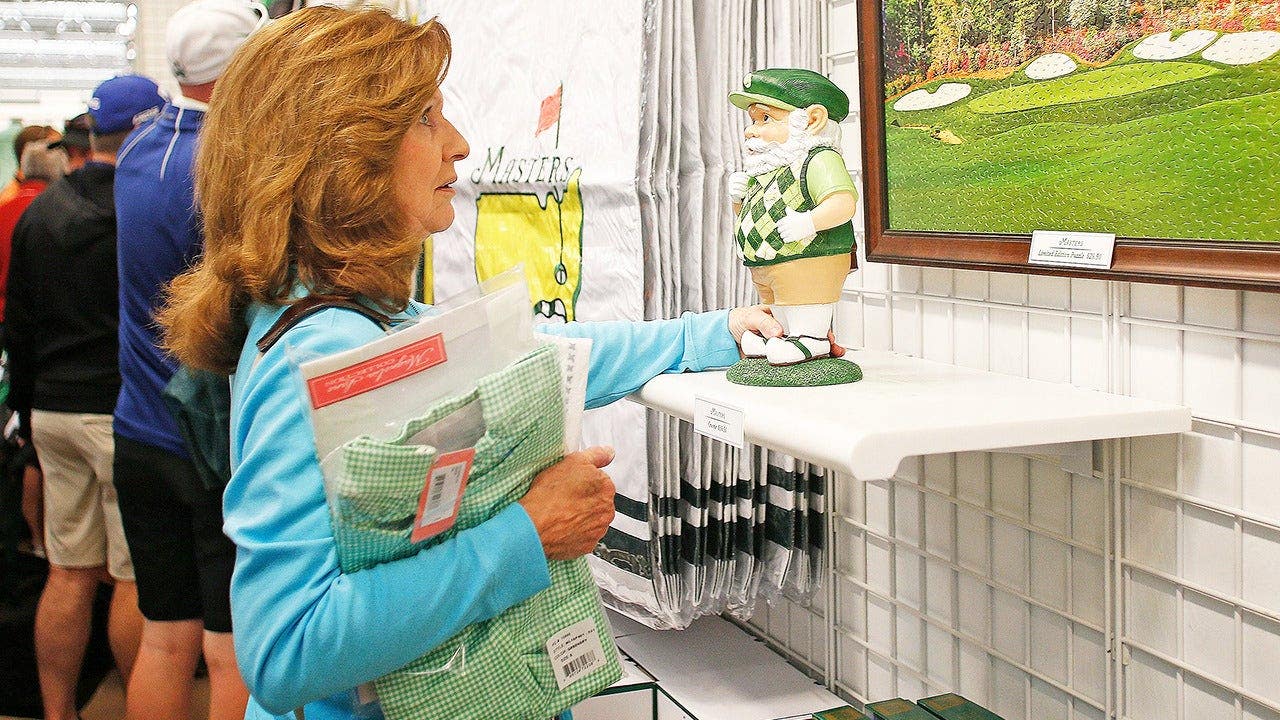
Fox News Digital and industry reporting estimate that the 2026 Masters Tournament at Augusta National will generate about $70 million in on-site merchandise sales during the event week. The reported figure reflects only in-person sales; the Masters has no official online store for merch. Reported comparisons include roughly $10 million per day in sales and that the total would exceed a Major League Baseball team’s full-year merchandise revenue by about $25 million (per a cited analyst). Popular items include apparel (e.g., sweatshirts at about $88, woven bags at about $178), a limited-release garden gnome priced near $60 (about 1,000 available daily), and a Masters-branded mahjong set retailing around $575 and reselling for higher prices on secondary markets. Some attendees reported spending hundreds to thousands of dollars on multiple items. The article also notes notably low concession prices at Augusta National (sandwiches $1.50–$3, muffins $2.50, snacks $1.50–$3, pain relievers $0.75), and mentions prior estimates of similar total merchandise revenue in recent years (about $69 million in 2022 per Forbes).
Biblical Reflection
This report primarily documents large, concentrated consumer spending around a single, high-profile sporting event and contrasts it with intentionally low concession prices. From a Christian perspective, several themes are evident. First, the article highlights cultural appetite for tangible symbols of identity and belonging (branded apparel, collectibles, limited-edition items). These goods can foster community and joy—legitimate human goods—yet they also expose how quickly desire can become excess, especially when status and scarcity drive purchases and resale profiteering. Second, the piece focuses on revenue figures and social reactions without examining how proceeds are used or the broader economic impact, a common limitation in coverage that prioritizes spectacle over stewardship and social responsibility. Third, the contrast between expensive branded goods and inexpensive food underscores choices organizers make about accessibility and messaging; keeping concessions affordable can be a sign of hospitality, while high-priced collectibles cater to exclusivity and status. Biblically-informed discernment encourages gratitude for legitimate pleasures and communal celebration (Ecclesiastes acknowledges enjoyment of life’s gifts), while warning against covetousness and idolatry of material signs of worth (Colossians 3:5; 1 Timothy 6:6–10). Christians should neither reflexively condemn all enjoyment of cultural events nor uncritically celebrate conspicuous consumption; rather, we are called to practice wise stewardship, generosity, and a posture of contentment that keeps Christ central.
Scripture in context
This outlook does not yet include contextual Scripture citations. Do not treat a general biblical theme as an exegetical conclusion.
Faithful Response
No prescribed response is offered. Consider the reflection prompts below in your own church context.
Reflection and Discussion
- 1What does the public enthusiasm for limited-edition sports merchandise reveal about how our culture seeks identity and status, and how might that compete with our identity in Christ?
- 2How does the article’s emphasis on revenue and sensation (big dollar totals, resell prices) shape our view of what matters, and what important context is missing (e.g., use of proceeds, labor impacts, resale markets)?
- 3Does the contrast between high-priced collectibles and intentionally low-priced concessions invite a broader conversation about hospitality, stewardship, and the values a community wants to communicate?
Sources
Reporting links are evidence inputs; Sanctuary News' biblical reflection is commentary.
This outlook currently relies on fewer than two linked sources. Broaden verification before teaching from it.
- 1.Original reportprimary