News Summary
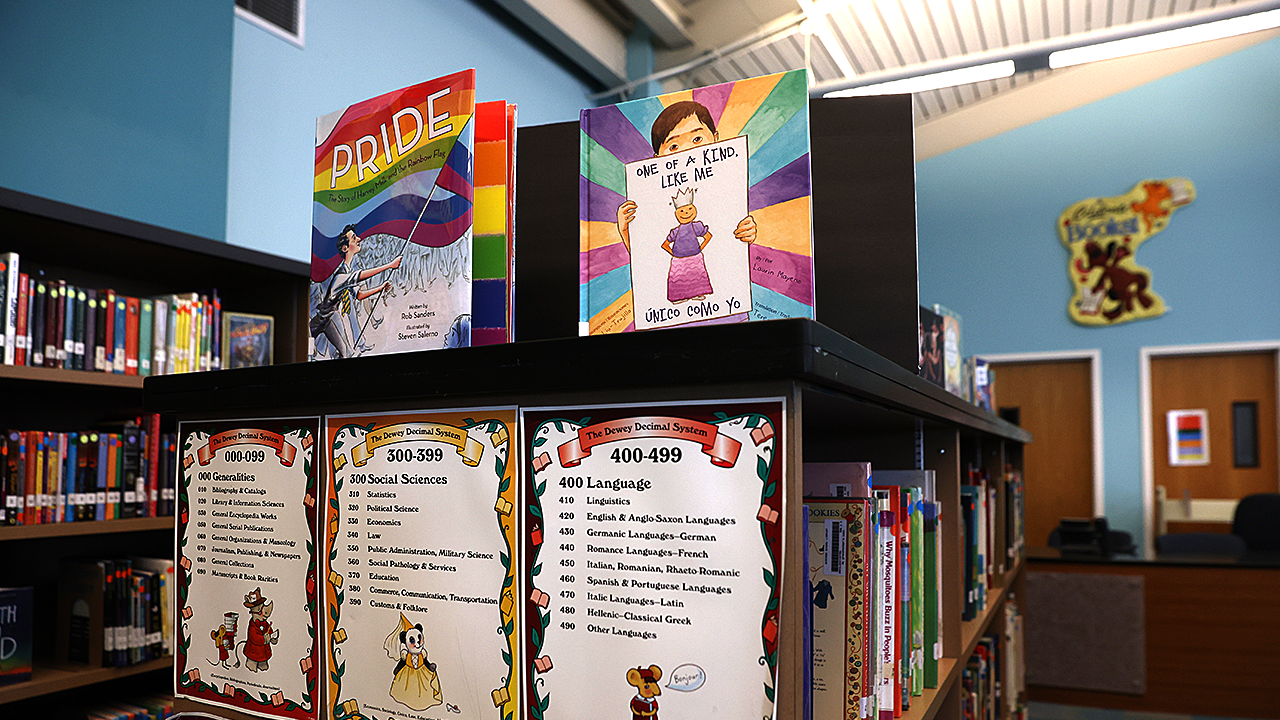
Massachusetts lawmakers, primarily Democrats with some Republican support, are advancing a bill titled 'An Act regarding free expression' to set new, state-wide rules for challenging books in public and school libraries. The bill aims to protect librarians and staff in their selection of library materials, requiring that books be age-appropriate and serve an educational purpose, with decisions made based on professional, not personal or political, judgment. Book removal would require a formal review process, including public hearings and committee findings. The bill also mandates written policies for book selection and challenge processes, modeled after American Library Association (ALA) standards, and requires reporting to state officials. Proponents argue the bill protects freedom of expression and combats politically motivated book bans, especially those affecting LGBTQ+ and diverse authors. Opponents, including faith-based groups, argue it undermines parental rights and makes it harder to remove sexually explicit material from children's libraries. The bill passed the state Senate and awaits further action in the House.
Biblical Reflection
From a biblical perspective, this issue touches on themes of wisdom, discernment, and the stewardship of influence over children. Scripture often emphasizes the responsibility of parents and communities to guide children in truth and righteousness (Deuteronomy 6:6-7, Proverbs 22:6). The tension between protecting freedom of expression and safeguarding the moral development of children is significant. While open access to information can promote understanding and empathy, Christians are called to be vigilant about the content to which children are exposed, especially regarding sexuality and identity, which are often addressed differently in biblical teaching than in contemporary culture. The move to centralize and professionalize book selection and challenge processes could limit parental input and local accountability, potentially conflicting with the biblical model of parents as primary educators and protectors. At the same time, Christians are called to engage these debates with grace, truth, and a commitment to love even those with whom they disagree, resisting fear or hostility, and advocating for policies that build up young people in godly wisdom.
Scripture in context
This outlook does not yet include contextual Scripture citations. Do not treat a general biblical theme as an exegetical conclusion.
Faithful Response
No prescribed response is offered. Consider the reflection prompts below in your own church context.
Reflection and Discussion
- 1How can Christians balance respect for freedom of expression with the biblical call to protect and guide children?
- 2What is the role of parents, community, and government in shaping the moral education of the next generation?
- 3How might you engage in these discussions with both conviction and Christlike compassion?
Sources
Reporting links are evidence inputs; Sanctuary News' biblical reflection is commentary.
This outlook currently relies on fewer than two linked sources. Broaden verification before teaching from it.
- 1.Original reportprimary