News Summary
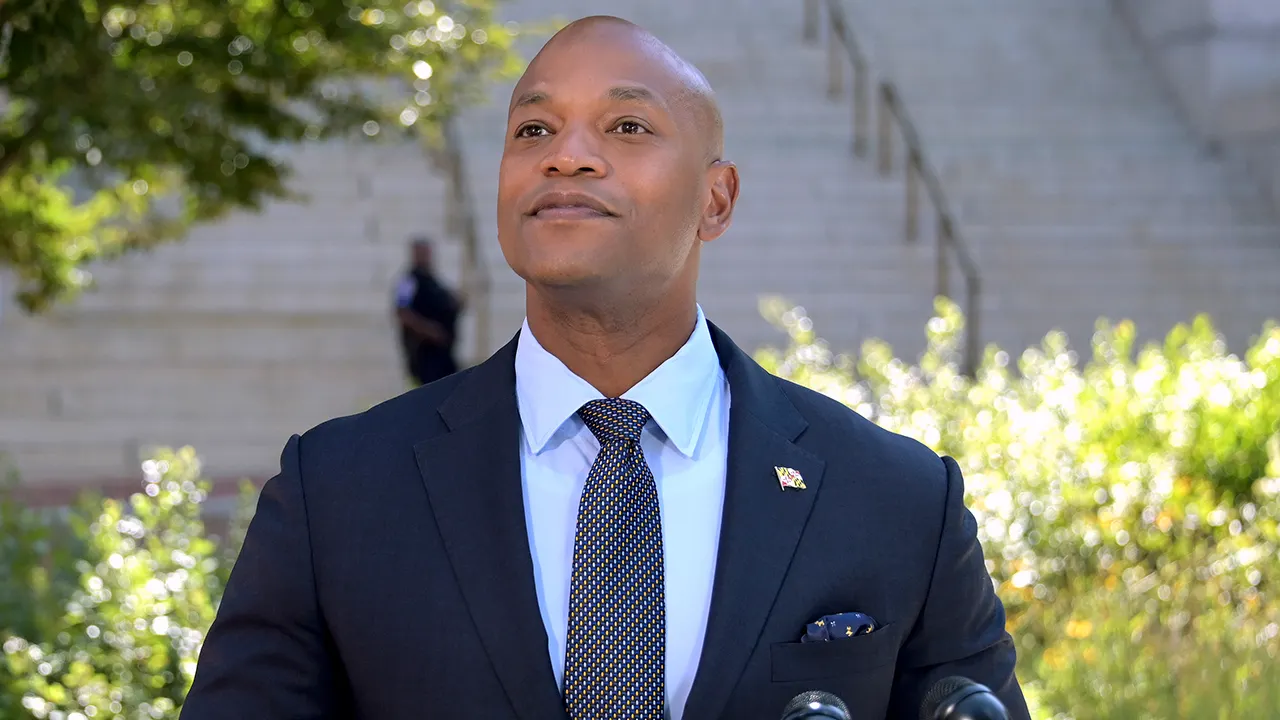
The Maryland General Assembly has overridden Governor Wes Moore's veto of a bill that establishes a commission to study slavery reparations. The Senate and House both surpassed the required majority to override the veto. Gov. Moore, who is not opposed to reparations in principle, argued that Maryland has already conducted numerous studies on slavery's legacy and should move toward direct policy action. Republican Delegate Matthew Morgan criticized the bill as divisive and fiscally irresponsible, while Democratic Delegate Terri Hill and the Legislative Black Caucus supported the move as a necessary step toward truth-telling and accountability. The new commission will consider a range of reparations, including formal apologies, monetary compensation, tax rebates, debt forgiveness, and tuition waivers. The commission is to submit preliminary and final reports by 2027, expiring by 2028.
Biblical Reflection
Scripture teaches the importance of both justice and reconciliation. The legacy of slavery is a deep wound in American history, and the Bible consistently calls for the oppressed to be heard and for wrongs to be acknowledged and, where possible, restored (Isaiah 1:17, Micah 6:8). The establishment of a commission to study reparations reflects a societal wrestling with how to address past injustices. However, biblical reconciliation also demands humility, repentance, and a genuine pursuit of unity (2 Corinthians 5:18-19). While some may see reparations as divisive, others see it as an overdue step toward healing. Christians are called to seek both justice and peace, remembering that true reconciliation requires both truth-telling and mercy. The process should be approached with wisdom, care, and a spirit of love—not bitterness or rivalry. The challenge is to pursue solutions that genuinely honor the dignity of all people, promote healing, and foster lasting unity. Ultimately, compensation alone cannot heal hearts, but facing the truth and seeking justice can be part of the journey toward the deeper reconciliation Christ calls us to.
Scripture in context
This outlook does not yet include contextual Scripture citations. Do not treat a general biblical theme as an exegetical conclusion.
Faithful Response
No prescribed response is offered. Consider the reflection prompts below in your own church context.
Reflection and Discussion
- 1How do I respond when confronted with calls for justice related to historical wrongs?
- 2In what ways can I promote both truth and reconciliation in my community?
- 3How can I pray for wisdom and unity among leaders facing difficult issues like reparations?
Sources
Reporting links are evidence inputs; Sanctuary News' biblical reflection is commentary.
This outlook currently relies on fewer than two linked sources. Broaden verification before teaching from it.
- 1.Original reportprimary