News Summary
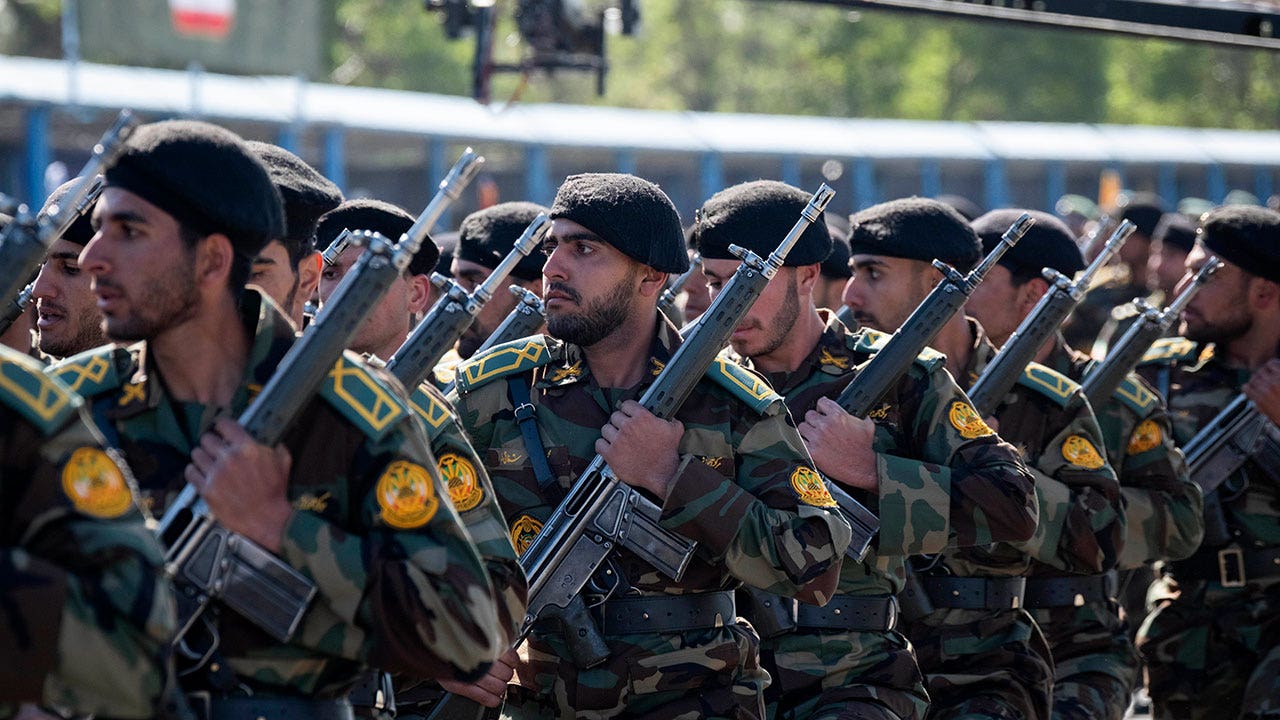
This is an opinion column by Fox News host Mark Levin expressing skepticism about the enforceability of any Iran nuclear agreement. Levin says a planned U.S. military operation against Iran was paused to allow 2–3 days for negotiations, and he raises questions about what “no nukes” would practically mean — for example, how long enriched uranium or weapons knowledge could be kept from becoming a weapon. He cites (as reported claims) that Iran allegedly has enough material to make 10 bombs in 11 days and that enrichment from 60% to 90% could take weeks, and he asks about plutonium and ballistic missiles with extended ranges. Levin emphasizes Iran’s history of expelling inspectors and violating agreements, calls the regime ideologically expansionist and hostile to the West, and worries about enforcement and verification if a deal is reached. He also raises concerns about Iran’s support for proxy groups (naming Hezbollah and Hamas), predicts weak European responses, and criticizes domestic political opponents and past U.S. administrations for lacking the will to act. He notes he has no inside information and that military action might resume after the pause. The column also acknowledges the suffering of the Iranian people during protests and repression.
Biblical Reflection
From a Christian perspective, the piece highlights legitimate concerns about verification, regional security, and protection of innocent lives — all matters Christians can prudently care about. At the same time, the column is partisan commentary that mixes factual questions with rhetorical and dehumanizing language toward the Iranian regime (e.g., calling it a “cult”) and assumes worst-case motives for other governments and political opponents. Christians should distinguish criticism of a government’s actions from hatred of a people created in God's image. Scripture calls us to seek justice and protect the vulnerable (Isaiah 1:17) while pursuing peace where possible (Matthew 5:9). It is reasonable to demand clear verification mechanisms and contingency plans to prevent proliferation, but Christians should guard against fear-driven or vilifying rhetoric that eclipses compassion for civilians and constructive pursuit of peace. Discernment is needed: verify technical claims independently rather than accepting partisan assertions at face value; weigh the moral costs of military action versus diplomatic options; and press leaders for both security and humanitarian protections. Ultimately, faithful response combines sober realism about threats with prayer, truth-seeking, and care for the oppressed — remembering that policy debates are not only strategic but moral.
Scripture in context
This outlook does not yet include contextual Scripture citations. Do not treat a general biblical theme as an exegetical conclusion.
Faithful Response
No prescribed response is offered. Consider the reflection prompts below in your own church context.
Reflection and Discussion
- 1Which specific factual claims in this commentary (enrichment timelines, bomb counts, missile ranges) can be independently verified, and which are presented as opinion or rhetorical emphasis?
- 2How does the column distinguish between the Iranian regime and the Iranian people, and how should Christians respond differently to regime actions versus the suffering of civilians?
- 3Does the writer balance legitimate security concerns with commitments to pursue peace and protect noncombatants, or does the rhetoric push chiefly toward fear and escalation?
Sources
Reporting links are evidence inputs; Sanctuary News' biblical reflection is commentary.
This outlook currently relies on fewer than two linked sources. Broaden verification before teaching from it.
- 1.Original reportprimary