News Summary
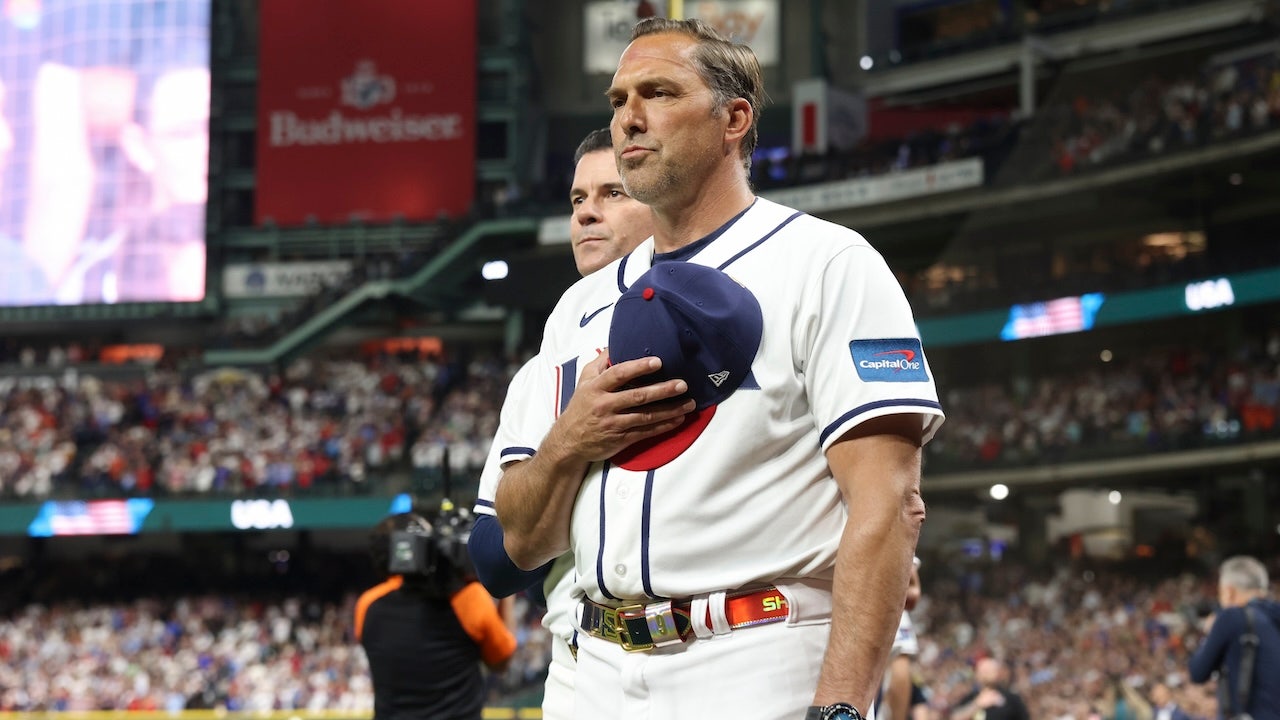
Team USA manager Mark DeRosa defended his management and lineup decisions in an in-game interview after widespread criticism following Team USA's unexpected 8–6 loss to Italy in pool play at the 2026 World Baseball Classic. DeRosa emphasized his strong confidence in every player, rejecting the idea of tiers among the roster. He had earlier said Team USA had clinched a knockout-round spot—a statement that proved incorrect after Italy’s upset—prompting viral backlash and questions about his understanding of the tournament format and game strategy. Although Team USA ultimately advanced out of pool play because of other results, the loss cost them the group lead and a more favorable bracket. With the knockout rounds beginning, DeRosa and the team face pressure to perform and to quiet critics on the field.
Biblical Reflection
This story raises several biblical themes about leadership, accountability, and the right response to criticism. On the positive side, DeRosa’s visible confidence and affirmation of his players reflect a pastoral impulse: leaders are called to encourage and build up those under their care (1 Thessalonians 5:11). A manager’s public defense of his team can strengthen unity and morale when done honestly.
At the same time, Scripture warns that those who lead are held to a higher standard (James 3:1). Mistakes by leaders—whether tactical errors, misstatements of fact, or failures in stewardship—should be met with transparency and humility rather than defensiveness. Defensive explanations that dismiss critique as merely a misleading narrative risk missing an opportunity for honest correction and growth. Proverbs also teaches that faithful rebuke, when offered rightly, can be an act of love that leads to improvement (Proverbs 27:5–6).
For believers watching, this is a chance to practice measured response: avoid quick, shaming attacks on human leaders; demand truthful accountability; and pray for leaders to admit errors, learn, and lead wisely. The Christian posture toward public controversy should balance support and mercy with a commitment to truth and stewardship. In practical terms, a godly leader will encourage the team while being willing to own mistakes, explain decisions clearly, and take counsel—showing humility and responsibility in equal measure.
Scripture in context
This outlook does not yet include contextual Scripture citations. Do not treat a general biblical theme as an exegetical conclusion.
Faithful Response
No prescribed response is offered. Consider the reflection prompts below in your own church context.
Reflection and Discussion
- 1When you see leaders publicly defended or criticized, how can you balance encouragement with a call for honest accountability?
- 2If you were in a leadership role, how would you respond when a mistake you made became public—defend, explain, or admit and correct?
- 3Are your reactions to sports controversies shaped more by loyalty, desire for truth, or a quick appetite for entertainment-driven outrage?
Sources
Reporting links are evidence inputs; Sanctuary News' biblical reflection is commentary.
This outlook currently relies on fewer than two linked sources. Broaden verification before teaching from it.
- 1.Original reportprimary