News Summary
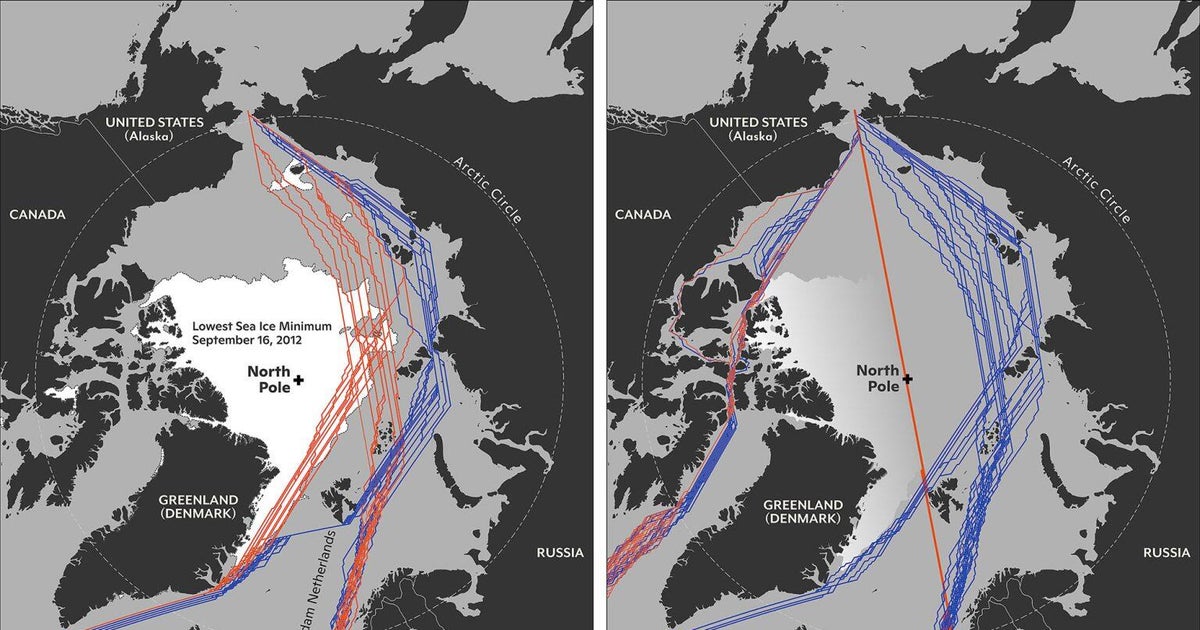
The article explores why Greenland is becoming increasingly significant on the global stage, especially as Arctic warming opens up new shipping routes. President Trump has expressed a desire for the United States to control Greenland, suggesting both economic and security interests, and has not ruled out the use of military force. This is partly due to Greenland's strategic location and its vast natural resources, such as oil, gas, and rare earth minerals. Melting sea ice is making northern shipping routes, including the Northwest Passage near Greenland and Russia's Northern Sea Route, more accessible and economically viable, saving shippers significant time and money. As these routes become more frequently used, control over Greenland's coastline is seen as crucial. Greenland’s freely elected government has firmly rejected U.S. attempts to claim the territory. Predictions indicate that by 2059, shipping across the North Pole may become routine due to further loss of sea ice.
Biblical Reflection
Viewed through the lens of scripture, this story raises important questions about stewardship, respect for the sovereignty of nations, and the pursuit of power. The desire to control Greenland for economic and strategic gain echoes historical patterns of dominion and exploitation. The Bible calls for just and equitable relationships among nations (Micah 4:3), and warns against coveting what belongs to others (Exodus 20:17). Additionally, the environmental changes making these shipping routes accessible—namely, the melting of Arctic ice—are symptomatic of humanity's neglect of the responsibility to care for creation (Genesis 2:15). Instead of seeing the climate crisis as an opportunity for geopolitical advantage, Christians are called to mourn environmental loss, seek justice, and humbly cooperate with others rather than pursue domination. The rejection by Greenland’s government should be respected, upholding the principle of self-determination. Ultimately, this situation challenges believers to pray for wisdom among world leaders, for humility rather than greed, and for a renewed commitment to steward the earth wisely.
Scripture in context
This outlook does not yet include contextual Scripture citations. Do not treat a general biblical theme as an exegetical conclusion.
Faithful Response
No prescribed response is offered. Consider the reflection prompts below in your own church context.
Reflection and Discussion
- 1How do my own desires for gain sometimes overshadow my responsibility to respect others and care for creation?
- 2In what ways can I advocate for justice and stewardship in response to global environmental and political challenges?
- 3How can Christians model humility and peacemaking in a world driven by power and competition?
Sources
Reporting links are evidence inputs; Sanctuary News' biblical reflection is commentary.
This outlook currently relies on fewer than two linked sources. Broaden verification before teaching from it.
- 1.Original reportprimary