News Summary
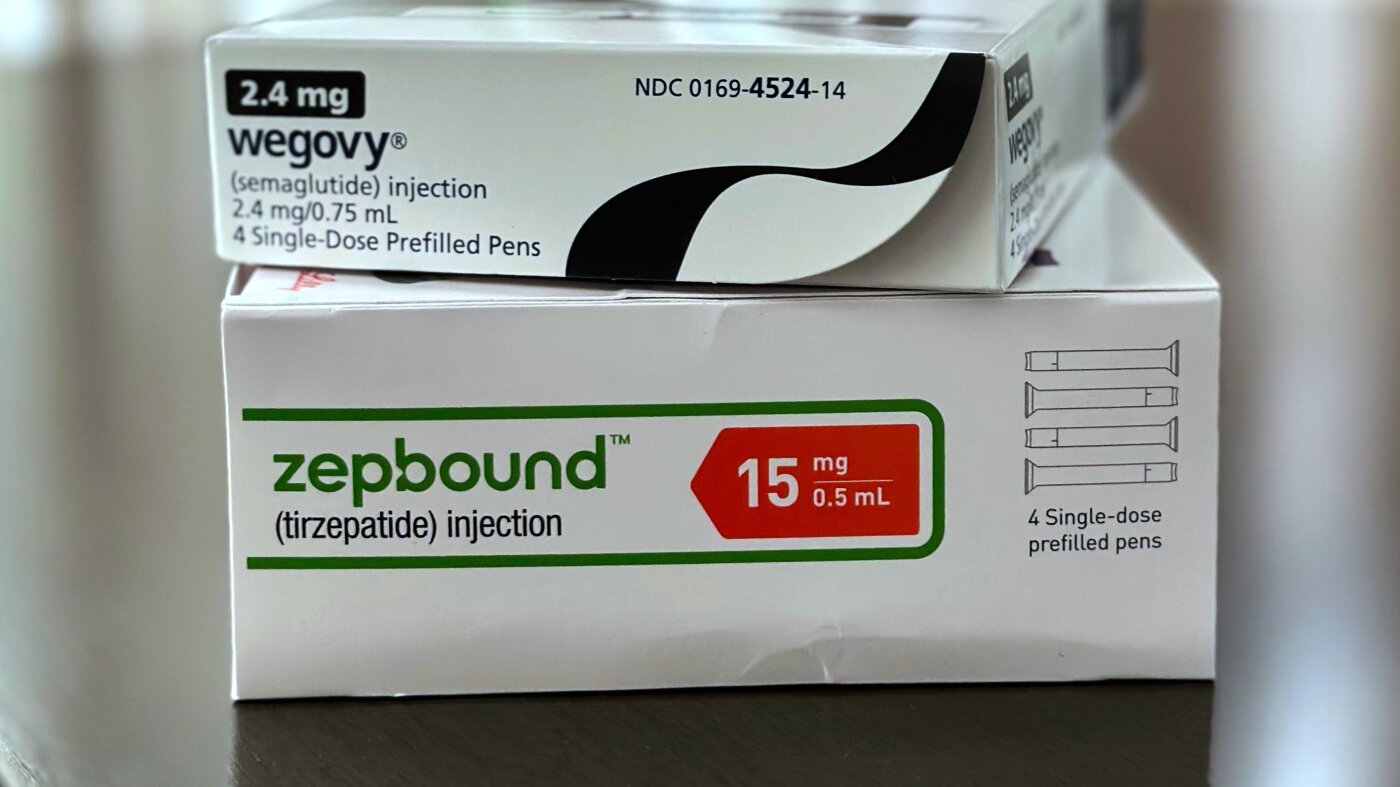
Insurance-claims research published as a JAMA research letter found that fewer than one in four patients remained on a GLP-1 medication after one year. Clinicians cite reasons for stopping that include cost, loss of insurance coverage, side effects, and an outdated expectation among some patients that obesity treatment can be time-limited. A separate market survey by Kantar found that 74% of people who had stopped GLP-1s said they were likely or very likely to resume use. Consumer access is shifting as more formulations (including pills), lower prices, and online sellers and compounding pharmacies make starting and restarting easier. Marketing and celebrity use are normalizing on-again-off-again use; the article cites an online vendor, Willow, whose ads portray temporary or cosmetic use and which declined a Better Business Bureau request to modify certain claims. Industry group PhRMA is lobbying for Medicare rule changes and for more oversight of compounding pharmacies. Medical experts say research is limited on the health effects of intermittent GLP-1 use. Some studies indicate faster weight regain after stopping GLP-1s than after behavior-focused diets. Concerns raised include loss of lean muscle mass (one researcher cited up to 40% of weight loss being lean mass), potential for sarcopenia and related functional decline in older adults, and unclear recovery of lost muscle after stopping therapy. Other experts note improved muscle quality in some patients on GLP-1s despite reduced muscle quantity. The article concludes that more research is needed on short-term and cyclical use and on body-composition outcomes.
Biblical Reflection
From a Christian perspective, this story raises several pastoral and ethical concerns. First, stewardship of the body (1 Corinthians 6:19–20) calls believers to care for physical health and to make informed, long-term decisions rather than seeking quick fixes for appearance or convenience. Marketing and social-media normalization of intermittent use reflect a consumerist worldview that prizes immediate results and aesthetic goals over sustained health and wise resource management. The article shows competing interests: patients seeking relief or weight loss, industry pushing access and sales, and clinicians urging recognition that obesity and diabetes are chronic conditions often requiring ongoing care. The uncertainty in the science should prompt humility: Christians ought to prize truth-seeking, careful discernment, and deference to medical expertise while advocating for honest advertising and protections for vulnerable people (the elderly, those with limited resources). Pastoral responses should combine compassion (for people struggling with weight, body-image, or cost barriers) with encouragement toward practices that build long-term health—balanced nutrition, strength maintenance, and medical oversight—rather than uncritically embracing trending treatments. Finally, the story highlights a cultural tendency to normalize intermittent remedies; Scripture calls communities to love truth, protect the vulnerable, and exercise wisdom in stewarding bodies and resources.
Scripture in context
This outlook does not yet include contextual Scripture citations. Do not treat a general biblical theme as an exegetical conclusion.
Faithful Response
No prescribed response is offered. Consider the reflection prompts below in your own church context.
Reflection and Discussion
- 1How does the marketing and cultural normalization of GLP-1 cycling prioritize appearance and convenience over long-term health and stewardship?
- 2Given the limited research on intermittent GLP-1 use, what standards of truthfulness, oversight, and patient protection should Christians support in healthcare policy and advertising?
- 3Are we responding with compassion and sober discernment toward people using these drugs, or are we quick to judge behavior shaped by cost pressures, medical need, and social influence?
Sources
Reporting links are evidence inputs; Sanctuary News' biblical reflection is commentary.
This outlook currently relies on fewer than two linked sources. Broaden verification before teaching from it.
- 1.Original reportprimary