News Summary
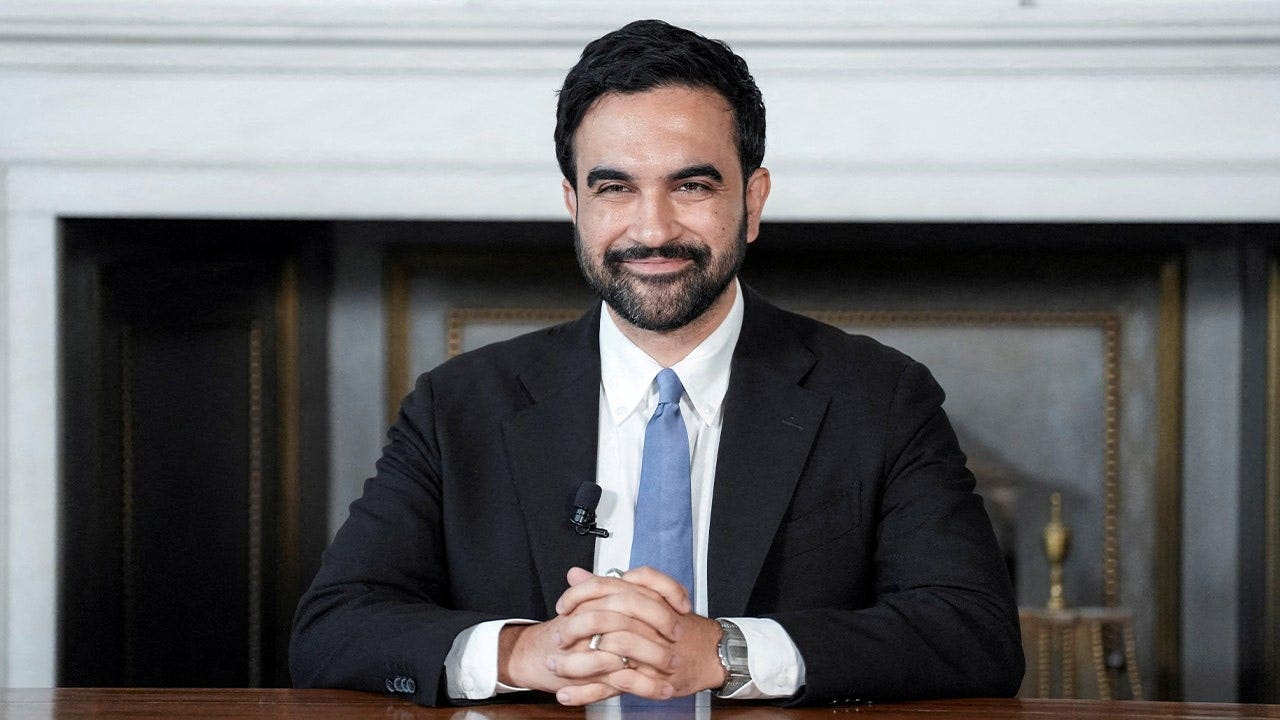
Median rents in Manhattan and Brooklyn reached record highs in June, reported at $5,295 and $4,350 respectively by the Corcoran Group. The article notes that roughly 38% of New Yorkers were born outside the U.S. and about 40% of rental units are occupied by foreign‑born residents (data sources do not distinguish legal status). Mayor Zohran Mamdani celebrated a Rent Guidelines Board decision to freeze rent increases for rent‑stabilized leases; his campaign promises included freezing increases for rent‑stabilized tenants, building affordable housing, and expanding tenant protections. Critics, including conservative commentators and some politicians, argue that immigration-driven demand is putting added pressure on the housing supply and contributing to rising rents. The article cites academic papers (Federal Reserve Bank of Philadelphia, 2003; Federal Reserve Bank of Dallas, 2024) that found immigration inflows can correlate with higher local rents when housing supply does not expand. New York City Comptroller Mark Levine recommended rezoning to allow more housing, investing in affordable housing, and reducing construction regulations to increase supply. Opponents of rent freezes warn such policies can disincentivize maintenance and new investment by landlords. The White House's claim that deportations reduced rents in some regions is mentioned and disputed by critics and academic studies; Mamdani's office did not respond to requests for comment noted in the article.
Biblical Reflection
This report mixes empirical data, policy debate, and pointed political commentary. The empirical points — rising median rents in Manhattan and Brooklyn, a large foreign‑born population share, and studies linking population increases to local housing price pressure where supply is constrained — are legitimate lines of inquiry. But the article also includes partisan language and selective voices that frame immigration as the primary or sole cause without showing the full range of evidence about supply constraints, zoning, construction costs, and fiscal policy. From a Christian perspective, the impulse to protect vulnerable renters is consistent with concern for the poor; so is the obligation to speak truth about causes and long‑term effects. Christians should resist scapegoating immigrants and rhetoric that dehumanizes people or reduces complex policy problems to simple blame. Loving our neighbor means advocating for solutions that balance mercy and justice: expand housing supply through wise planning and stewardship, preserve protections for low‑income tenants, hold landlords and officials accountable for maintenance and fair practices, and craft immigration and labor policies informed by data and human dignity. The faithful posture here is humility before complex facts, courage to pursue structural reforms (zoning, building, subsidies), and compassion for both struggling renters and small landlords caught between costs and regulations.
Scripture in context
This outlook does not yet include contextual Scripture citations. Do not treat a general biblical theme as an exegetical conclusion.
Faithful Response
No prescribed response is offered. Consider the reflection prompts below in your own church context.
Reflection and Discussion
- 1Does the evidence in the article distinguish between short‑term demand effects and long‑term supply constraints as causes of rising rents?
- 2Who gains and who loses from policies like rent freezes, rezoning, or stricter immigration enforcement — and which options best reflect both justice and mercy?
- 3Are the voices quoted in the piece treating immigrant neighbors as people in need of care, or as political props for a policy argument?
Sources
Reporting links are evidence inputs; Sanctuary News' biblical reflection is commentary.
This outlook currently relies on fewer than two linked sources. Broaden verification before teaching from it.
- 1.Original reportprimary