News Summary
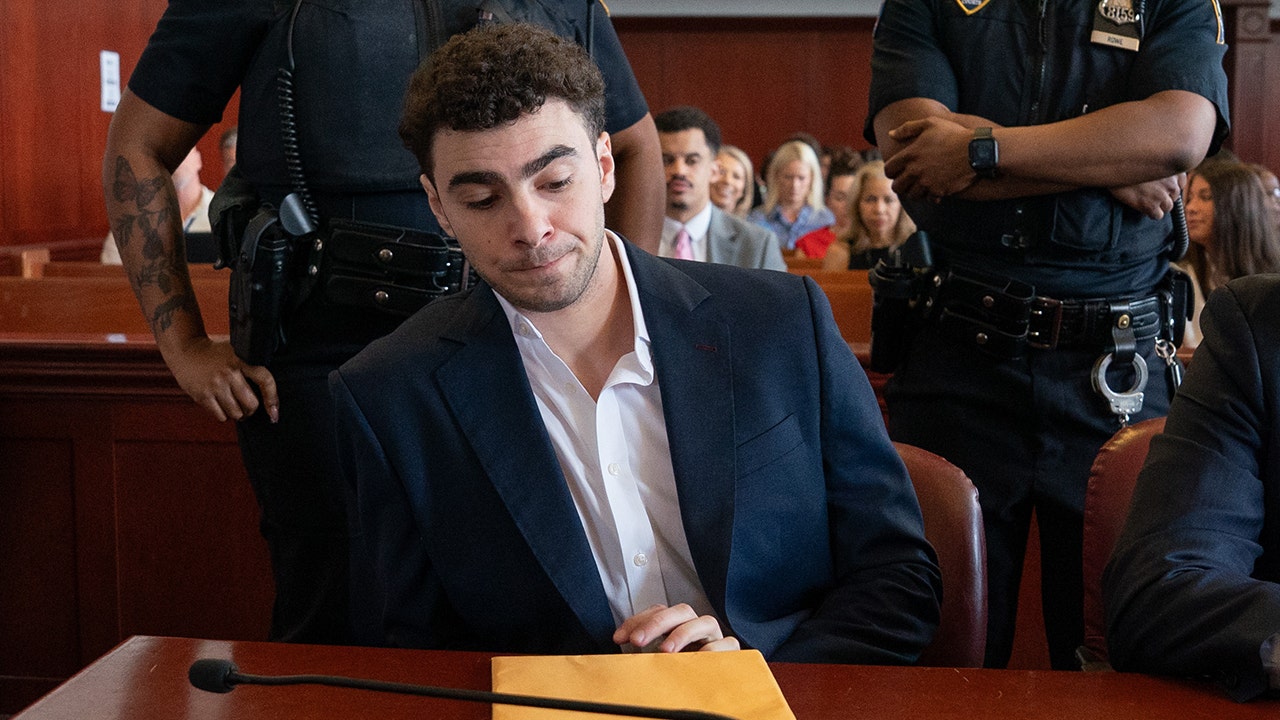
Reports from WNBC, citing anonymous sources, said accused killer Luigi Mangione had been in talks with federal prosecutors about a possible plea deal that was reportedly close but ultimately fell apart. Mangione’s defense team, led by attorney Karen Friedman Agnifilo, issued a statement condemning the reports as part of a deliberate pattern by prosecutors and law enforcement to prejudice public opinion and threaten Mangione’s right to a fair trial. Separately, Mangione’s lawyers withdrew a planned "extreme emotional disturbance" (psychiatric) defense in his New York state murder case; under New York law that defense could have reduced a murder conviction to first-degree manslaughter if accepted by jurors. Mangione faces two federal stalking charges resulting in death; earlier in 2026, charges of murder through the use of a firearm and a weapons charge were dismissed. The U.S. attorney’s office declined to comment to Fox News. Legal analysts quoted in the story suggested withdrawing the psychiatric defense could be a strategic decision to protect Mangione in federal proceedings. The article includes background dates: the victim, Brian Thompson, was shot in December 2024, and Mangione has appeared at pretrial and evidentiary hearings in 2026.
Biblical Reflection
This article highlights tensions between the pursuit of justice and the protections of due process. Christians should affirm both compassion for the victim’s family and commitment to fair legal procedures: public leaks and anonymous sourcing can easily prejudge a defendant and undermine the integrity of a trial, while victims and their loved ones deserve transparency and accountability. The piece reports competing claims — anonymous media reports of plea negotiations and a forceful denial from defense counsel — so readers should be cautious about accepting unverified fragments as final truth. The legal maneuvering (withdrawing an emotional-disturbance defense, contested charge dismissals, federal death-penalty exposure) also reflects how strategy, not just facts, shapes public narratives. Spiritually, this situation calls for humility (we do not know all facts), mercy (toward the suffering of victims and the accused’s dignity), and a healthy distrust of sensational or anonymous leaks that short-circuit justice rather than advance it.
Scripture in context
This outlook does not yet include contextual Scripture citations. Do not treat a general biblical theme as an exegetical conclusion.
Faithful Response
No prescribed response is offered. Consider the reflection prompts below in your own church context.
Reflection and Discussion
- 1How does reliance on anonymous sources change what we think we 'know' and what obligations do Christians have to avoid joining premature public judgments?
- 2When media coverage emphasizes legal strategy and leaks, whose voices are being amplified or silenced — victims, accused, prosecutors — and what does that reveal about our cultural priorities?
- 3What balance should Christians expect between seeking accountability for harm and protecting the procedural rights that guard everyone’s dignity?
Sources
Reporting links are evidence inputs; Sanctuary News' biblical reflection is commentary.
This outlook currently relies on fewer than two linked sources. Broaden verification before teaching from it.
- 1.Original reportprimary