News Summary
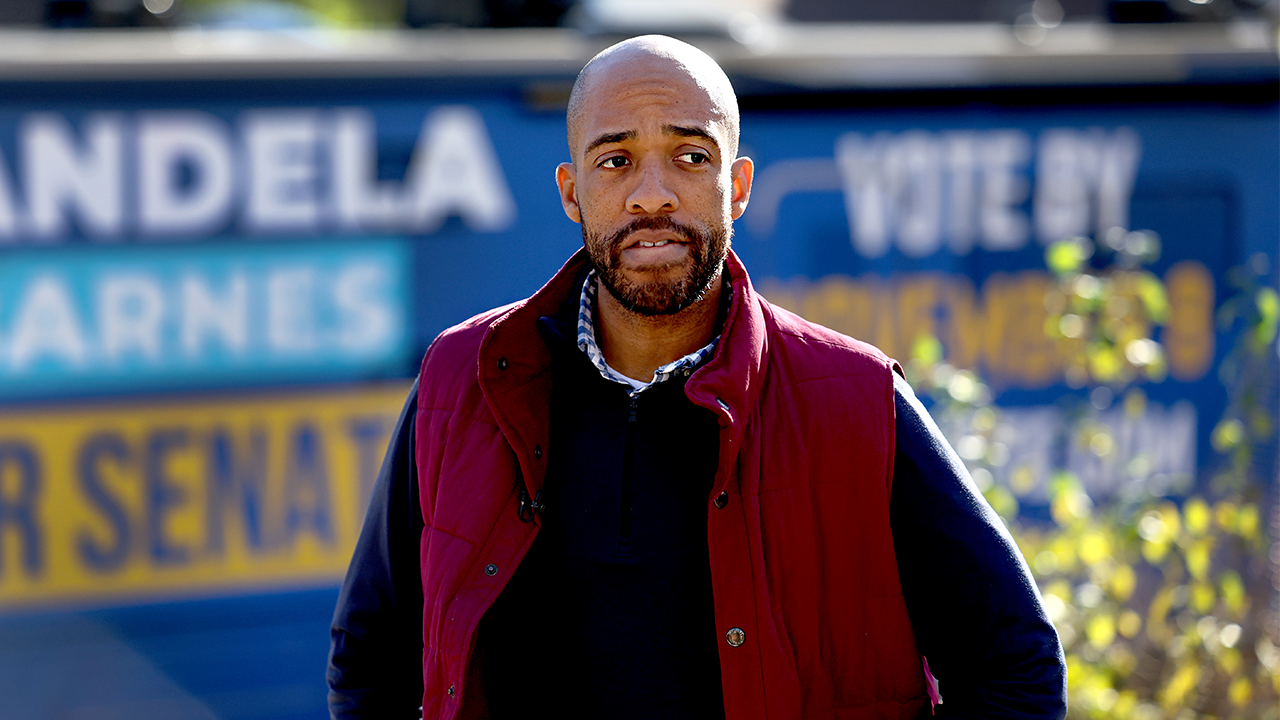
Former Wisconsin Lieutenant Governor Mandela Barnes, a Democrat who narrowly lost the 2022 Senate race to Ron Johnson, has announced his candidacy for governor of Wisconsin. Barnes is considered the leading contender in a crowded Democratic primary following Governor Tony Evers' retirement. However, his previous Senate campaign has left him with political 'baggage,' including associations with progressive groups advocating for criminal justice reforms, defunding police, and making Wisconsin a sanctuary state. Republicans, particularly Rep. Tom Tiffany, have criticized Barnes as a 'far-left extremist,' citing his ties to organizations like Citizen Action of Wisconsin and Color of Change PAC. Barnes has also chaired a state climate change task force promoting environmental justice and anti-racism education. In launching his gubernatorial bid, Barnes emphasizes bold leadership, gun safety, reproductive rights, and collaboration with law enforcement. He disputes claims that he supports defunding police, stressing his commitment to public safety and law enforcement funding. The article also references President Trump's influence in Wisconsin politics and recent actions, such as the pardon of a drug trafficker. The race sets the stage for a contentious 2026 midterm election.
Biblical Reflection
From a scriptural perspective, the entrance of Mandela Barnes into the Wisconsin governor’s race highlights the complexity of political leadership in a fallen world. The article underscores divisions over criminal justice reform, public safety, race, and social justice—issues that require discernment and humility from followers of Christ. The Bible calls leaders to seek justice (Micah 6:8), love mercy, and walk humbly with God, while also warning against divisive rhetoric and self-righteousness (Romans 12:18). The political attacks and polarized language in the article reveal a climate where demonizing opponents can overshadow substantive policy debate and the pursuit of common good. Christians are reminded to pray for those in authority (1 Timothy 2:1-2), to speak truth in love (Ephesians 4:15), and to engage with civic issues as peacemakers (Matthew 5:9), rather than fueling the cycle of hostility and suspicion. Policies aimed at justice and mercy should be weighed carefully, and Christians are called to examine their own hearts for bias, to seek wisdom, and to pursue the flourishing of all neighbors, including the marginalized. Ultimately, hope is not in any political figure but in God's sovereignty and justice.
Scripture in context
This outlook does not yet include contextual Scripture citations. Do not treat a general biblical theme as an exegetical conclusion.
Faithful Response
No prescribed response is offered. Consider the reflection prompts below in your own church context.
Reflection and Discussion
- 1When engaging with political news, do I seek to listen and understand, or do I rush to judgment based on party lines?
- 2How might I pray for wisdom and courage for all candidates and leaders, regardless of my personal views?
- 3In what ways can I act justly and love mercy in my own community, inspired by biblical principles?
Sources
Reporting links are evidence inputs; Sanctuary News' biblical reflection is commentary.
This outlook currently relies on fewer than two linked sources. Broaden verification before teaching from it.
- 1.Original reportprimary