News Summary
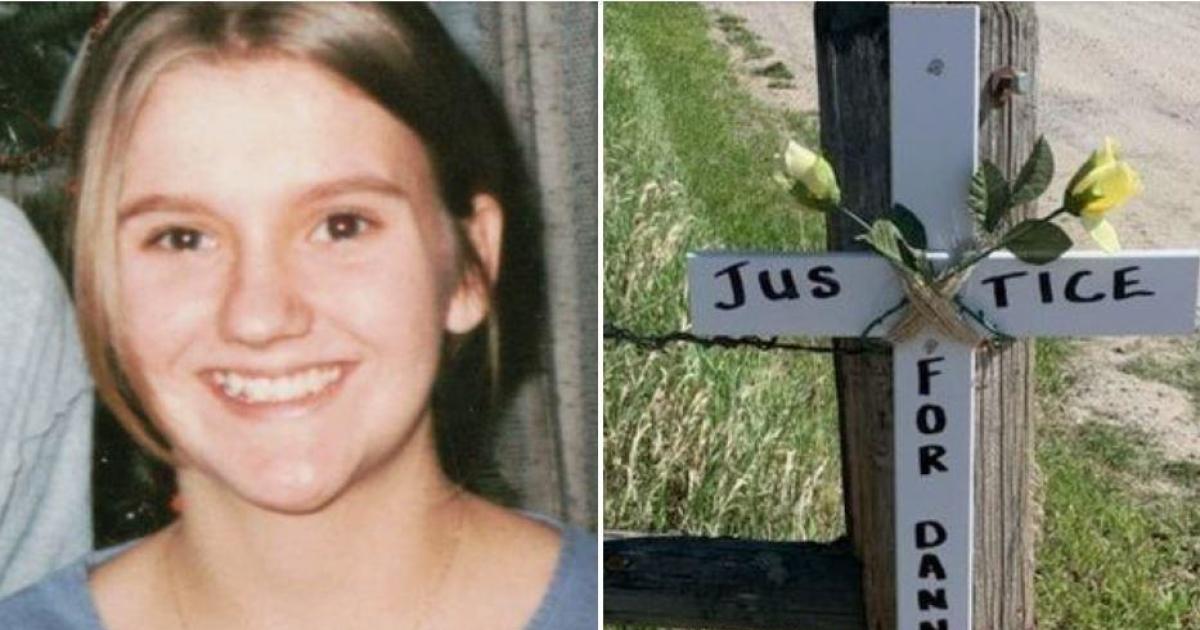
The article reports on the resolution of a nearly 30-year-old cold case involving the 1996 murder of 15-year-old Danielle 'Danni' Houchins in Montana. Through advanced DNA testing and forensic genealogy, authorities identified her killer as Paul Hutchinson, a married father of two and a former Montana State University student who worked for the Bureau of Land Management. Hutchinson, who had no criminal history, was interviewed by investigators in 2024 and showed signs of extreme distress during questioning. The next morning, he died by suicide before he could be arrested. Authorities concluded the crime was random and described it as a 'crime of opportunity.' The case highlights both the enduring efforts of law enforcement and the pain endured by the victim’s family. The news comes amidst similar breakthroughs in other cold cases solved with DNA technology.
Biblical Reflection
This story is a sobering reminder of the depths of human brokenness and the enduring consequences of evil actions. Scripture consistently affirms the God-given dignity and worth of every person, especially the vulnerable (Psalm 82:3-4), and it condemns violence, injustice, and the taking of innocent life. The suffering endured by Danni, her family, and even the ripple effects on the perpetrator’s own loved ones show how sin brings devastation far beyond the immediate act. The pursuit of justice by authorities is commendable and echoes the biblical call to 'seek justice' (Isaiah 1:17). However, the resolution, while bringing some closure, cannot undo the loss or fully heal the wounds inflicted. The suicide of the perpetrator also raises questions about accountability and the burden of guilt. As Christians, we are called to mourn with those who mourn, to pray for healing, and to remember that ultimate justice and comfort come from God, who sees every hidden thing and promises to wipe away every tear (Revelation 21:4).
Scripture in context
This outlook does not yet include contextual Scripture citations. Do not treat a general biblical theme as an exegetical conclusion.
Faithful Response
No prescribed response is offered. Consider the reflection prompts below in your own church context.
Reflection and Discussion
- 1How can we support those who are grieving and seeking justice in our communities?
- 2What does it mean to trust God with unresolved pain and unanswered questions in the face of tragedy?
- 3How do we hold on to hope and pursue forgiveness in situations where justice seems incomplete?
Sources
Reporting links are evidence inputs; Sanctuary News' biblical reflection is commentary.
This outlook currently relies on fewer than two linked sources. Broaden verification before teaching from it.
- 1.Original reportprimary