News Summary
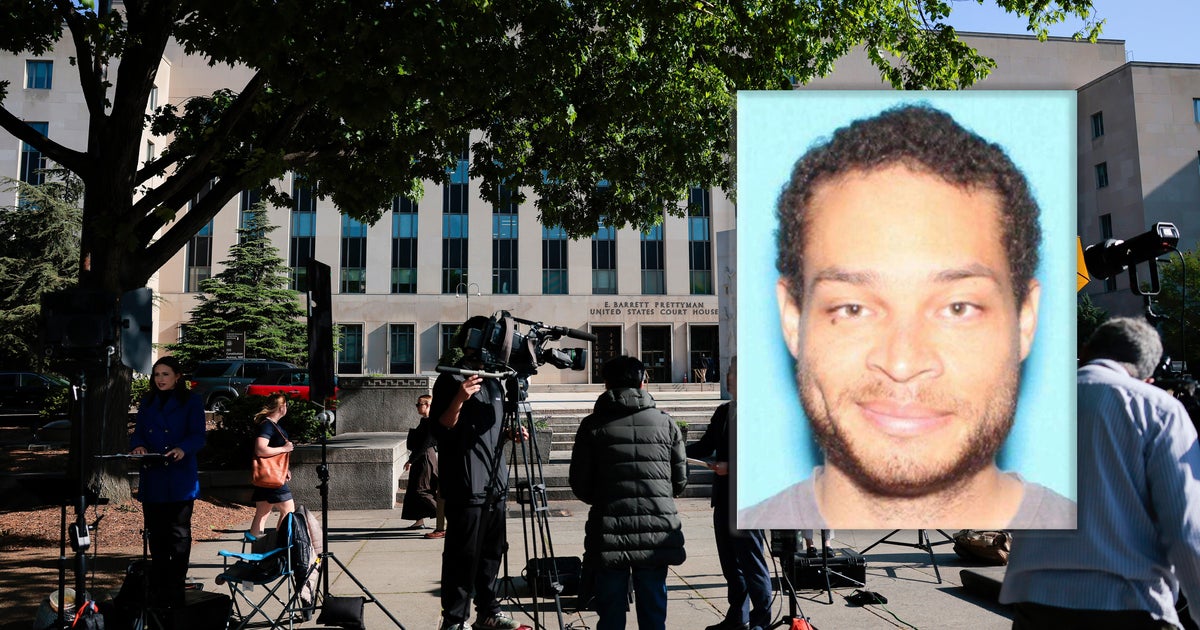
Federal prosecutors charged Cole Allen after an April shooting outside the Washington Hilton during the White House Correspondents' Dinner. According to an FBI affidavit and Justice Department statements: Allen approached a security checkpoint on the hotel's terrace level with a 12-gauge pump-action shotgun and a .38-caliber pistol and ran through a magnetometer. A Secret Service officer (identified as Officer V.G. in the affidavit) was struck in the chest and was wearing a ballistic vest; the officer returned fire. Allen fell to the ground, suffered minor injuries, and was arrested. Law enforcement seized multiple weapons and other devices from the suspect and locations tied to him. Authorities say Allen traveled across state lines with firearms and that his apparent motive, described in a manifesto seized by investigators, targeted President Trump and administration officials; prosecutors said additional charges are expected. Ballistics and other forensic analysis remain ongoing. Allen made an initial federal court appearance, is detained pending hearings, and did not enter a plea. In response to the incident, Republican Senators (including Lindsey Graham, Katie Britt, and Eric Schmitt) previewed legislation to authorize $400 million in public funds for a secure White House ballroom with underground security facilities (offset by customs fees); this project is already the subject of litigation by the National Trust for Historic Preservation. Lawmakers and administration officials debated whether the Secret Service and other agencies followed appropriate protocols; Secret Service and FBI leaders defended their response. Administration officials and allies blamed inflammatory rhetoric and a partially unfunded Department of Homeland Security for broader security concerns. Congressional committees requested briefings of the Secret Service. The National Trust said it will continue its lawsuit despite DOJ arguments that the ballroom would enhance presidential security.
Biblical Reflection
From a Christian perspective, this event raises several sober realities: violence is a grave human brokenness that demands firm, lawful response and justice; at the same time, crises easily become vehicles for political advantage, fear, and hardened rhetoric. The article reports factual developments — charges, evidence seized, law enforcement and judicial steps — but it also reflects competing narratives: calls for new secure infrastructure (the White House ballroom), accusations that political speech inspires violence, and warnings about security shortfalls. Christians should seek truth in the evidence: motive and causation require careful investigation, and public claims that simplify cause (e.g., blaming a single party's rhetoric as the proximate cause) risk inflaming division. Scripture calls believers to pursue peace, speak responsibly, and honor just authority (Romans 13; Ephesians 4). Two prudent responses follow: (1) support transparent, calm inquiry and due process so facts—not partisan framing—determine policy or legal outcomes; (2) resist rhetoric that dehumanizes opponents or treats tragedy as purely political leverage. At the same time, Christians can rightly advocate for wise precautions to protect life and the public good, provided those precautions uphold justice and civil liberties. The story spotlights the tension between legitimate security needs and the risk that fear will be politicized; Christians should measure proposals and rhetoric against compassion, truthfulness, and the common good.
Scripture in context
This outlook does not yet include contextual Scripture citations. Do not treat a general biblical theme as an exegetical conclusion.
Faithful Response
No prescribed response is offered. Consider the reflection prompts below in your own church context.
Reflection and Discussion
- 1What evidence does this article present for causation (motive, operational failures) versus what is being asserted for political effect, and how should that difference shape our public judgment?
- 2How can Christians hold both to the need for reasonable security measures and to the call to avoid scapegoating or inflammatory speech that dehumanizes others?
- 3Are proposed policy responses (e.g., a funded White House ballroom, changes to DHS funding) being considered on the basis of clear security needs and legal norms, or are they being used to advance broader political aims?
Sources
Reporting links are evidence inputs; Sanctuary News' biblical reflection is commentary.
This outlook currently relies on fewer than two linked sources. Broaden verification before teaching from it.
- 1.Original reportprimary