News Summary
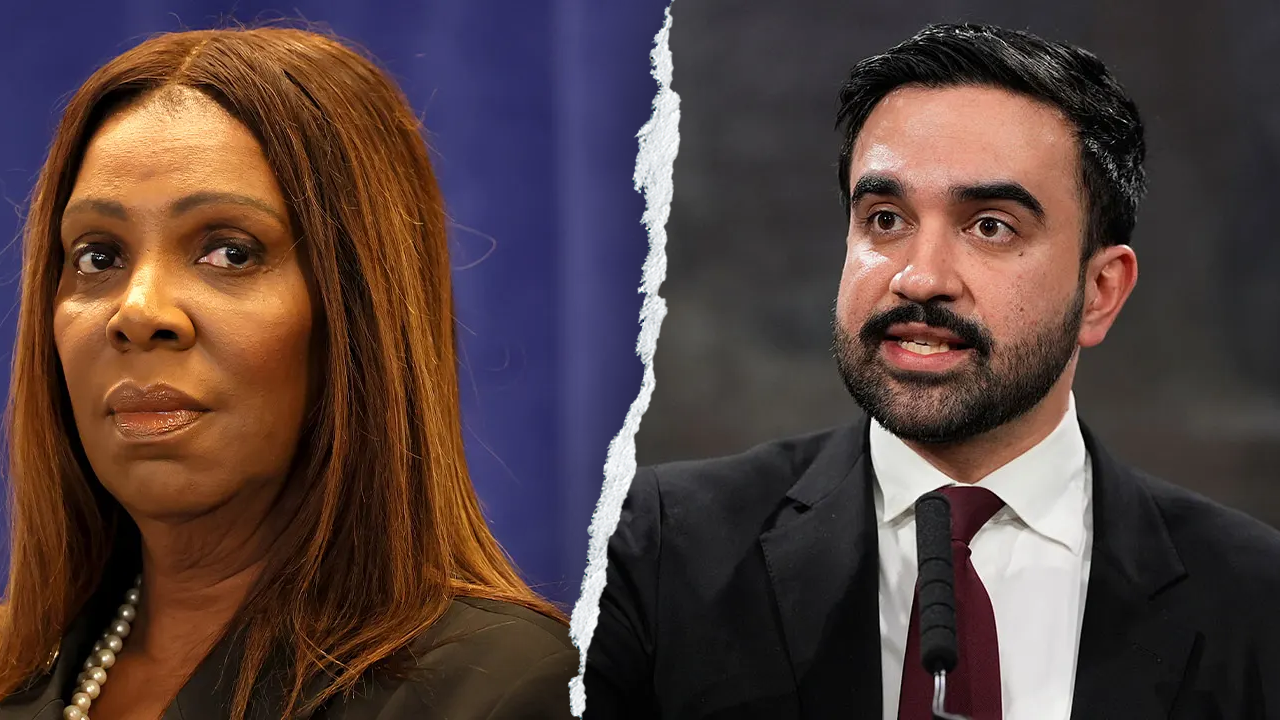
In New York’s June 23, 2026 primaries, a slate of progressive/Democratic Socialist–aligned candidates endorsed by New York City Mayor Zohran Mamdani won significant contests, including three congressional primaries. Mamdani’s endorses included Darializa Avila Chevalier, who defeated incumbent Rep. Adriano Espaillat; overall, nine Democratic incumbents (seven state lawmakers and two congressmembers) lost to anti‑establishment challengers. Coverage and post‑race analysis show the insurgent winners performed strongly in higher‑income, younger, and more college‑educated precincts, while some lower‑income and majority‑Black precincts favored establishment candidates. Mayor Mamdani credited the results as the start of a broader movement. New York Attorney General Letitia James publicly criticized Mamdani’s growing influence, saying some endorsed candidates lack local political experience and expressing concern the shift could harm the party’s electoral prospects; she also said she prefers finding an understanding with the socialists to reduce tensions. Commentators quoted in the article raised alarm about extreme proposals attributed to some activists (including claims about abolishing policing or even the Senate and Supreme Court), and Republican voices argued the outcomes could benefit GOP messaging nationally. Reporting sources referenced include Fox News, The New York Times, CNN and the New York Post.
Biblical Reflection
Seen through a Christian lens, this story raises familiar questions about power, community, and rhetoric in civic life. The article frames the events as a sharp intra‑party clash, emphasizing dramatic language and worst‑case examples from the political margins; that framing can amplify fear and division more than substantive policy discussion. Christians should test both the claims and the coverage: which proposals reported here are mainstream among the successful candidates, and which are isolated statements from activists or opponents? The underlying worldviews at play include generational and class tensions, concerns about gentrification and representation, and competing priorities for public safety and redistribution. Scripture calls us to care for the vulnerable and pursue justice, but also to speak truth and seek the common good without demonizing neighbors. That means listening to those who fear harm from policy shifts (often low‑income and minority communities), holding candidates accountable to concrete proposals rather than slogans, and resisting a politics that trades in caricature and moral panic. Practically, Christians engaging this news should prioritize sober evaluation of policy effects, humility about partisan certainty, and charity toward fellow citizens while advocating for policies that protect the weak and promote flourishing.
Scripture in context
This outlook does not yet include contextual Scripture citations. Do not treat a general biblical theme as an exegetical conclusion.
Faithful Response
No prescribed response is offered. Consider the reflection prompts below in your own church context.
Reflection and Discussion
- 1Is the coverage centering isolated rhetoric or the actual policy platforms of the winning candidates, and how does that shape public fear?
- 2Which communities’ voices are amplified or marginalized in this dispute, and how does that affect claims about who will be harmed or helped?
- 3Are our political reactions driven more by party identity and fear of loss than by careful evaluation of how proposed policies would impact the vulnerable?
Sources
Reporting links are evidence inputs; Sanctuary News' biblical reflection is commentary.
This outlook currently relies on fewer than two linked sources. Broaden verification before teaching from it.
- 1.Original reportprimary