News Summary
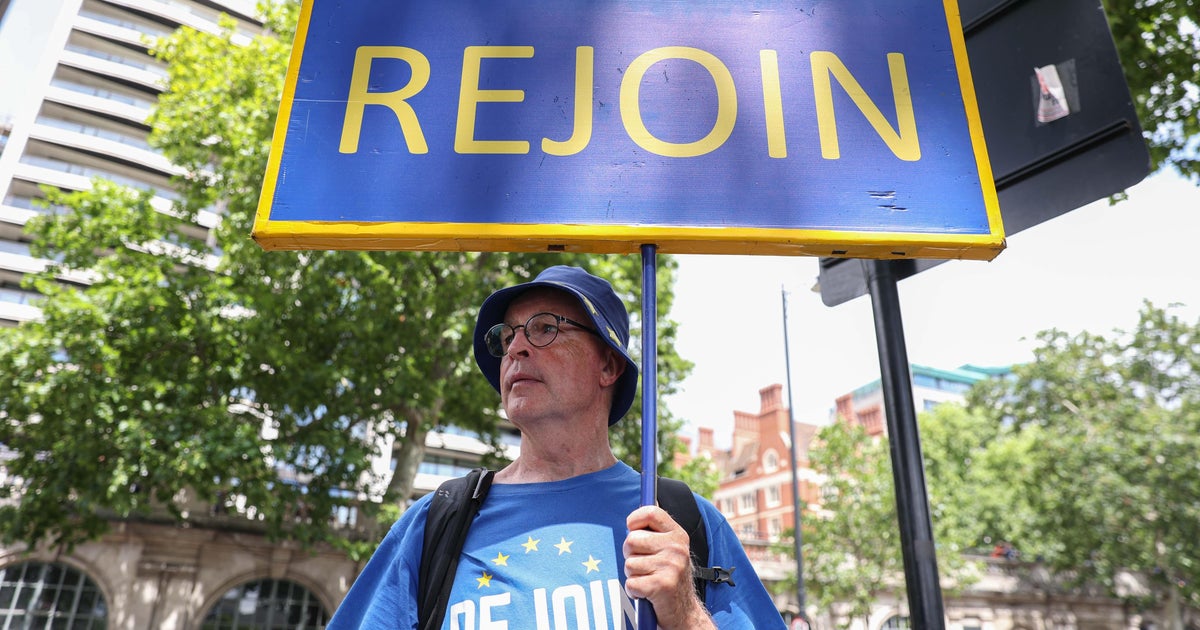
A YouGov poll reported a majority of Britons now say leaving the European Union was a mistake, ten years after the 2016 referendum. The article cites public reactions around the anniversary, comments from pro-EU campaigners and public figures, and polling details: about 30% of Britons polled said the UK was still right to leave, and two-thirds of 2016 Leave voters continue to back their original choice. Analysts and official reviews cited in the article say Brexit has contributed to lower productivity, reduced imports and exports, and an estimated 6% negative impact on GDP. The UK has seen political turbulence since the vote, including seven prime ministers over ten years. Demographic shifts are noted as a factor: higher turnout by older voters in 2016 and a new generation more favorable to the EU; polling shows a majority of Gen Z and over half of all respondents in recent polls would support rejoining the EU in some form or holding a new referendum, but most national politicians show little appetite to reopen the referendum. Prominent Brexit supporters, including Nigel Farage, maintain that leaving was correct and argue implementation failures, while some Leave voters and business figures say outcomes have been disappointing but irreversible in practice.
Biblical Reflection
This story reports a measurable shift in national judgment about a major democratic decision and highlights real economic and social consequences. The article largely rests on public polling and government economic estimates and includes voices from both supporters and critics of Brexit; still, it foregrounds dissatisfaction and economic critique more than pro-Brexit arguments. From a Christian perspective, there are several points to weigh. First, democratic choices carry long-term moral and material consequences; Christians should affirm the seriousness of decisions that affect neighbors' livelihoods, families, and stability. Second, the coverage reflects how political identity can harden into tribal loyalty—some cling to the original vote as a matter of principle, others emphasize practical outcomes—so a Christian response should resist simplistic partisanship and practice humility about complex policy trade-offs. Third, the ongoing division and political turnover reveal how unresolved civic wounds foster bitterness and instability; the call of Scripture to pursue peace, truth, and reconciliation applies as much to national life as to private relationships. The article's framing is generally factual, but readers should note selection bias in quoted voices and that polling snapshots do not alone resolve complex economic causation. Christians should ask whether public rhetoric has prioritized sovereignty or the common good, and whether leaders on all sides are offering repair and care for those harmed by policy choices.
Scripture in context
This outlook does not yet include contextual Scripture citations. Do not treat a general biblical theme as an exegetical conclusion.
Faithful Response
No prescribed response is offered. Consider the reflection prompts below in your own church context.
Reflection and Discussion
- 1Are we measuring political success by identity and victory, or by how policies serve our neighbors' material and relational needs?
- 2Whose voices were decisive in 2016 and whose voices are changing the conversation now—what does that reveal about power, age, and stewardship?
- 3When a nation faces clear harms from a past decision, how should Christians balance respect for democratic outcomes with the pursuit of justice and reconciliation?
Sources
Reporting links are evidence inputs; Sanctuary News' biblical reflection is commentary.
This outlook currently relies on fewer than two linked sources. Broaden verification before teaching from it.
- 1.Original reportprimary