News Summary
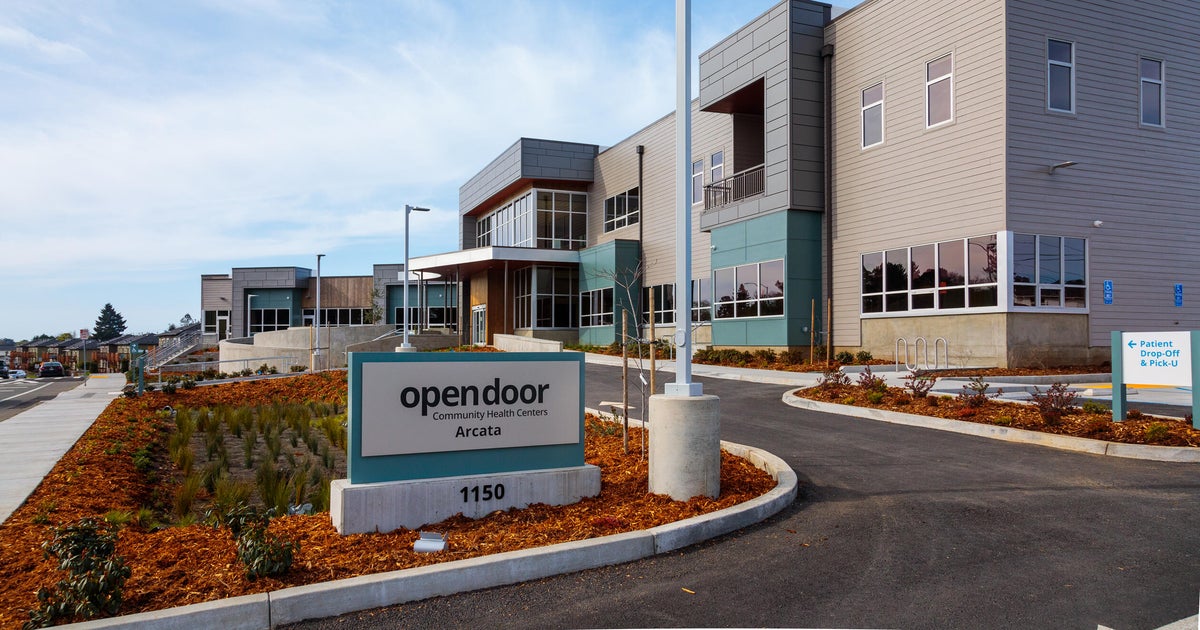
Congress included a $50 billion Rural Health Transformation Program in the One Big Beautiful Bill Act to support modernization of rural health care. The program awards state-level grants over five years; first-year state awards ranged from about $147 million to $281 million. Federal rules favor investments in digital health infrastructure — electronic health record (EHR) upgrades, telehealth, remote monitoring, cybersecurity and related platforms — and cap direct provider payments at 15% of a state's award. States must meet tight federal reporting and spending deadlines (progress reports by end of August and obligation of first-year funds by Oct. 30) or risk reductions or termination of awards. Several large contractor coalitions (including an SAIC-led alliance with Walgreens and Mission Mobile Medical, and a Gainwell-led group) are marketing broad technology, telehealth and implementation services to states. State plans show many intend to spend on EHR modernization, cybersecurity, telehealth hubs, hardware and software, and technical support. Community health centers and rural advocates caution that small clinics, home health agencies and nursing homes — which deliver day-to-day care — may be sidelined and that a substantial share of funds could flow to large vendors before reaching patients. Examples cited include Open Door Community Health Centers in rural California and planning details from Maine, Arizona, Oklahoma and other states. CMS officials say they intend audits and state visits and that the program aims to benefit rural providers and patients, but some state budgets remain unapproved or only partially approved as of early April.
Biblical Reflection
What the article reports is a real and legitimate tension in public policy: limited federal funds, ambitious timelines, and the logistical appeal of experienced large vendors versus the practical needs of small, community-based providers. The underlying worldview in the piece is one of stewardship and suspicion — it assumes funds intended to help vulnerable people can be diverted to overhead or companies unless checks are in place. That concern is warranted: when resources intended for the poor are funneled through complex contracting chains, the people on the margins risk further neglect. Scripture repeatedly calls God’s people to defend the vulnerable (e.g., the sick, poor and disenfranchised) and to act justly. Technological modernization (EHRs, telehealth, cybersecurity) can be a genuine good — improving continuity of care, reducing administrative losses, and extending access where clinicians are scarce — but technology is not an end in itself. If investments prioritize platforms over personnel, community presence, and the relationships that sustain care, the technical gains will not automatically translate into better pastoral care or healthier lives. The article is careful to include perspectives from federal officials, state planners, vendor leads and rural advocates; it does lean toward highlighting the risk of corporate capture because that is the urgent concern for frontline providers. Christians reading this should keep two convictions in tension: (1) advocate for prudent stewardship, transparency and accountability so funds reach those in need; and (2) recognize that properly guided investments in infrastructure can be a tool for loving our neighbors, provided they strengthen — not replace — local caregiving and access. Practical Christian responses include praying for wisdom for policymakers, insisting on accountability and inclusion of community providers in planning, and supporting local ministries and clinics that deliver direct care.
Scripture in context
This outlook does not yet include contextual Scripture citations. Do not treat a general biblical theme as an exegetical conclusion.
Faithful Response
No prescribed response is offered. Consider the reflection prompts below in your own church context.
Reflection and Discussion
- 1Who gains influence and resources when policy prioritizes large-scale technology solutions, and who risks being left out of decision-making?
- 2Does the program’s emphasis on digital infrastructure align with the immediate, relational needs of rural patients (transportation, staffing, day-to-day care), or does it primarily serve system-level efficiencies?
- 3What accountability measures would show these funds are advancing justice and care for the vulnerable rather than subsidizing vendor overhead?
Sources
Reporting links are evidence inputs; Sanctuary News' biblical reflection is commentary.
This outlook currently relies on fewer than two linked sources. Broaden verification before teaching from it.
- 1.Original reportprimary