News Summary
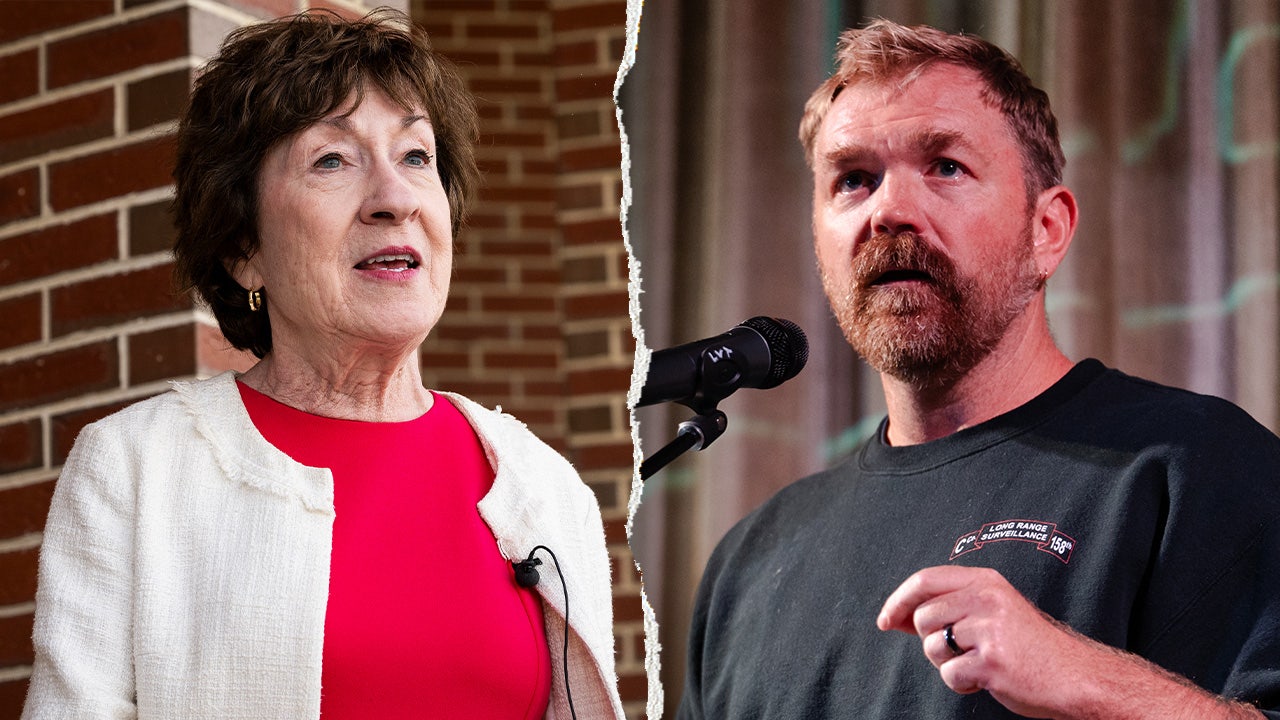
A New York Times/Portland Press Herald/Siena poll conducted June 19–26 found Maine Democratic nominee Graham Platner at 49% and Republican incumbent Sen. Susan Collins at 47% among likely voters, with 3% undecided; the two-point difference is within the poll's margin of sampling error. Platner, a military veteran and oyster farmer who won the Democratic primary and received endorsements from progressive senators, has faced multiple controversies during the campaign: inflammatory Reddit posts he later apologized for, a chest tattoo he says he covered after learning it resembled a Nazi symbol, reports of sexually explicit messages exchanged while married, and allegations from ex-girlfriends about rape fantasies, heavy drinking, and violent episodes — allegations Platner disputes. Despite awareness of these issues, most of his supporters in the poll say their vote is based on his policy positions. The poll also found many voters question Platner's character and moral values and view him as too extreme; by contrast, a majority rated Collins as having good character and moral values, though some voters worry she is too supportive of former President Trump or too old to be effective. The race is considered high-profile and potentially consequential for control of the U.S. Senate, which Republicans hold 53–47, and other recent polls have also shown Platner with a small lead in Maine.
Biblical Reflection
This article reports polling and background facts about a competitive Senate race. Its emphasis on controversies is newsworthy because personal conduct and character often inform voters' trust in public servants; the piece frames that information in a way that makes character a central question for this contest. As Christians, we should insist on truth and careful discernment: take allegations seriously and give due weight to verified facts while avoiding rumor or character assassination. The article mixes policy-relevant context (Senate control, endorsements, experience) with personal scandal; a healthy civic posture holds both in tension — we must evaluate a candidate's policies and their personal integrity, because leaders shape public life. Watch for bias in tone and sourcing (the story relies on a particular poll and on reported allegations and campaign statements); confirmation and proportionality matter. Spiritually, we are called to resist tribal reflexes that excuse misconduct in 'our' candidates or demand perfection from those we oppose. We should demand accountability, seek facts, and practice forgiveness where genuine repentance is shown, all while protecting the common good by supporting truthful information and competent leadership.
Scripture in context
This outlook does not yet include contextual Scripture citations. Do not treat a general biblical theme as an exegetical conclusion.
Faithful Response
No prescribed response is offered. Consider the reflection prompts below in your own church context.
Reflection and Discussion
- 1Am I letting partisan loyalty determine whether I accept or dismiss allegations about a candidate, rather than weighing credible evidence?
- 2How does the news coverage balance policy implications for the common good against sensational details about personal behavior, and what worldview does that balance reflect?
- 3When a candidate admits past mistakes and claims change, what credible signs of repentance and accountability should voters expect before restoring full trust?
Sources
Reporting links are evidence inputs; Sanctuary News' biblical reflection is commentary.
This outlook currently relies on fewer than two linked sources. Broaden verification before teaching from it.
- 1.Original reportprimary