News Summary
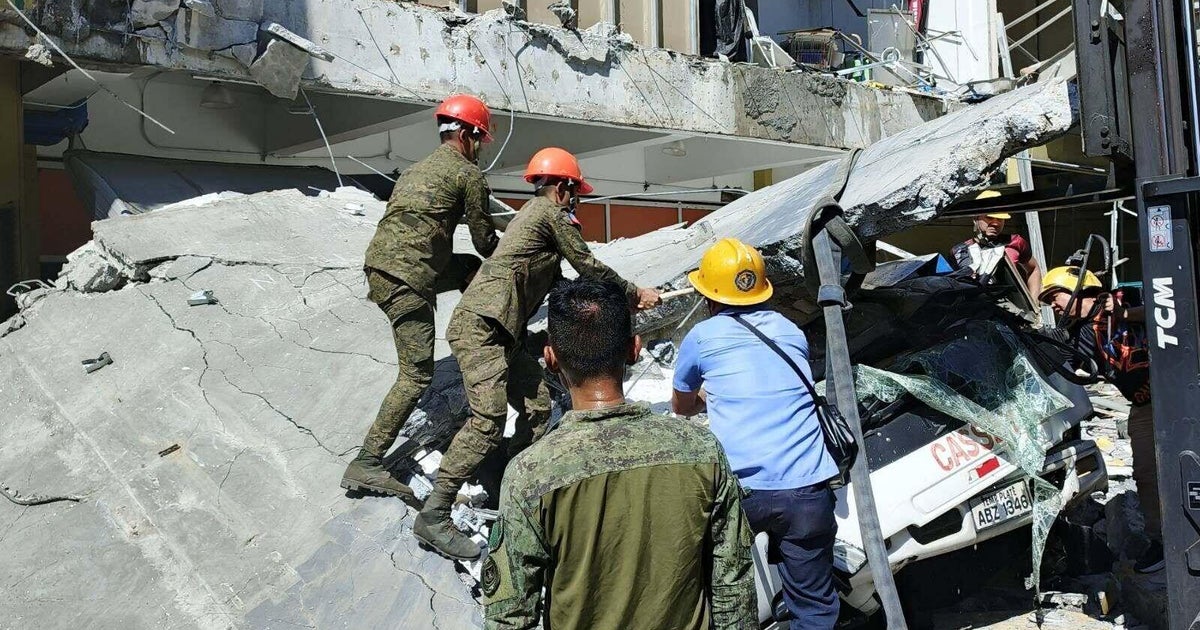
An offshore earthquake measured at magnitude 7.8 struck off Mindanao in the southern Philippines on the morning of June 8, 2026. The quake, reported by the Philippine Institute of Volcanology and Seismology at about 20 miles depth and by the U.S. Geological Survey at about 34 miles depth, produced aftershocks up to magnitude 6.5 and generated local tsunami waves roughly 3 to 4.6 feet high. At least 19 people were reported dead and more than 200 injured, mainly from collapsed buildings, falling debris and landslides; thousands were displaced. Damage and casualties were reported in General Santos city and provinces including Sarangani, South Cotabato, Davao Occidental, and on Balut Island. General Santos — a regional port city of some 700,000 people — saw several small building collapses, flight cancellations as its airport temporarily closed, and local search-and-rescue operations. Philippine authorities canceled classes, issued and later lifted tsunami warnings, and mobilized disaster-response agencies; the national government said it was deploying assistance to affected areas. Tsunami gauges recorded smaller waves in nearby countries including Indonesia, Palau, Malaysia (Sabah), and Japan. Reports in the immediate aftermath noted ongoing aftershocks, missing persons in some collapsed structures, and officials urging caution about returning to damaged buildings.
Biblical Reflection
The reporting is straightforward and primarily descriptive — focusing on measurements, immediate casualties, infrastructure impacts, and official responses — and appears consistent with standard disaster coverage. From a Christian pastoral perspective, this event underscores human vulnerability and the urgent need for practical compassion. Risks include sensationalizing casualty counts before they are confirmed or treating the event as a moral judgment; Christian response should avoid attributing disaster to divine punishment and instead center care for victims, truthful reporting, and steady solidarity. Churches and Christian organizations can offer spiritual comfort, mobilize material aid, and coordinate with emergency responders, exercising humility (recognizing limits of control), courage (entering disruption to serve), and mercy (prioritizing the displaced and grieving). The article highlights the importance of preparedness and resilient infrastructure — concerns that align with loving our neighbors by reducing future harm — and reminds believers to advocate for long-term recovery, not only immediate rescue.
Scripture in context
This outlook does not yet include contextual Scripture citations. Do not treat a general biblical theme as an exegetical conclusion.
Faithful Response
No prescribed response is offered. Consider the reflection prompts below in your own church context.
Reflection and Discussion
- 1Are reports focusing only on immediate numbers or also highlighting longer-term needs like shelter, mental health, and rebuilding?
- 2How might local churches and Christian relief groups effectively partner with authorities without seeking attention or politicizing aid?
- 3Does language in coverage or social media imply moral causation for the disaster, and how should Christians correct that framing with compassion and clarity?
Sources
Reporting links are evidence inputs; Sanctuary News' biblical reflection is commentary.
This outlook currently relies on fewer than two linked sources. Broaden verification before teaching from it.
- 1.Original reportprimary