News Summary
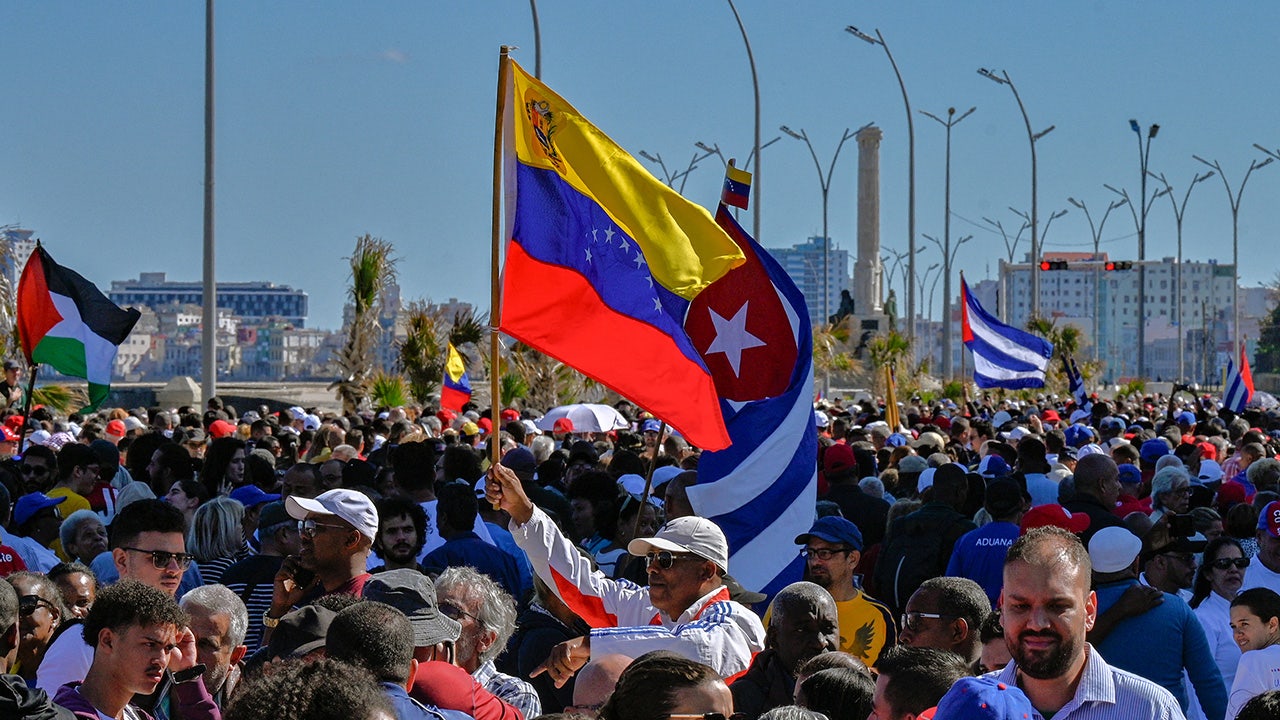
The article discusses the recent capture of Venezuelan President Nicolás Maduro and its potential ramifications for Cuba and Nicaragua. House Intelligence Committee Chairman Rick Crawford suggests that Maduro's arrest could signal the 'beginning of the end' for Cuba's communist regime due to the long-standing economic and political ties between Venezuela and Cuba. The article explains how Cuba has benefited from Venezuelan oil, while Venezuela received medical and military support from Cuba. With Maduro's removal, Crawford predicts further instability in the region, possibly impacting Nicaragua as well. He also points to the United States' ongoing embargo against Cuba and the influence of the Cuban-American community in the U.S., particularly in Florida. Crawford hints at the possibility of popular uprisings and the influential role the U.S. could play in shaping future events in Cuba. He further warns adversarial nations involved in the region, such as Iran, Russia, and China, about the shifting political landscape.
Biblical Reflection
From a biblical perspective, the events described in this article raise important questions about justice, the use of power, and the means by which regimes change. The desire for freedom from oppression is deeply rooted in Scripture—God repeatedly hears the cries of the oppressed (Exodus 3:7). However, Scripture also cautions about the human tendency to seek vengeance or to place too much hope in political shifts rather than true spiritual renewal (Psalm 146:3-7). While the end of unjust regimes can be cause for hope, Christians are reminded that true liberation and justice come not from military might or political maneuvering, but through the transforming work of God in human hearts. The language of 'domino effects' and 'popular uprisings' invites us to pray for peaceful transitions, true justice, and reconciliation rather than cycles of violence. Ultimately, believers are called to pursue justice, love mercy, and walk humbly with God (Micah 6:8), advocating for the dignity and freedom of all people, but always through means that honor God's character.
Scripture in context
This outlook does not yet include contextual Scripture citations. Do not treat a general biblical theme as an exegetical conclusion.
Faithful Response
No prescribed response is offered. Consider the reflection prompts below in your own church context.
Reflection and Discussion
- 1How do I balance a desire for justice and freedom with a commitment to peace and reconciliation?
- 2In what ways might I be tempted to put my hope in political solutions rather than in God's ultimate justice?
- 3How can I pray for those living under oppressive regimes and for those in positions of power?
Sources
Reporting links are evidence inputs; Sanctuary News' biblical reflection is commentary.
This outlook currently relies on fewer than two linked sources. Broaden verification before teaching from it.
- 1.Original reportprimary