News Summary
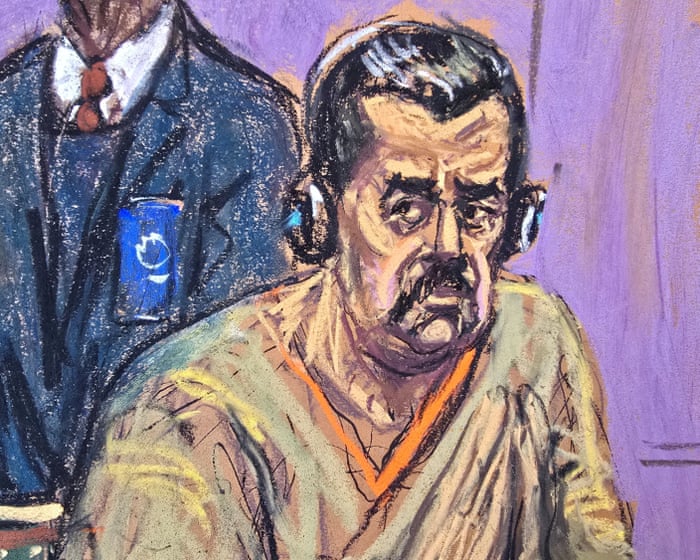
Reported facts: The Guardian reports Maduro and his wife are in custody in a Brooklyn jail and have pleaded not guilty to U.S. drug-trafficking charges; they were reportedly taken from their Caracas home in a U.S. military operation in early January; Maduro appeared in court for a pre-trial hearing where he and his counsel are objecting to the U.S. action. Attributed claims: the article characterizes the seizure as having 'snatched' him from power and describes the raid as a 'stunning middle-of-the-night raid'—phrases reflecting the paper's framing. Uncertainties: the article does not supply independent confirmation of operational details, legal basis invoked by U.S. authorities for the seizure, or extensive official reactions from Venezuelan authorities or other international actors.
Source and Framing Analysis
The Guardian piece reports on a high‑stakes event but uses vivid language ('snatched', 'stunning') that frames the operation as dramatic and extralegal; the article provides limited detail about the legal basis for the U.S. seizure, and no additional independent sources are supplied in the package to corroborate operational specifics or to show wider international or Venezuelan-state responses. Those gaps materially affect interpretation of sovereignty and legality questions.
Biblical Reflection
This story raises deep tensions between demands for accountability and the principles of national sovereignty and due process. Christians should want truth to be pursued — including transparent legal procedures and reliable evidence for serious criminal accusations — and mercy toward all who are vulnerable in legal processes. The use of military force against a sitting head of state, if accurate, challenges ordinary categories of law and diplomacy and should prompt careful discernment rather than partisan celebration or reflexive condemnation.
Scriptural wisdom asks us to prize justice and to hunger for peace. Justice requires clear, fair procedures and accountability when crimes are committed; peace seeks restoration and protection of the vulnerable. We must therefore press for full, impartial information about what happened, insist on legal standards for prosecution, and advocate channels for diplomatic de-escalation so the broader region and innocent civilians are not further harmed.
Practically, this means Christians should avoid spreading unconfirmed claims, pray for victims of drug trafficking and for those caught in political violence, and support humanitarian and diplomatic efforts aimed at reducing harm. Upholding the dignity of all people and calling for truth and fair process is the most faithful Christian posture in a complex geopolitical moment.
Scripture in context
- 1Romans 13:1-7 — Paul's letter to the Romans addresses the Christian relationship to governing authorities in the early Roman Empire, urging respect for civil institutions while recognizing God's ultimate sovereignty. — This passage invites Christians to affirm the role of lawful authorities and the need for order while also pressing those authorities to act justly; it cautions believers against endorsing lawlessness in the name of expedience and calls for accountability when power is misused.
- 2Matthew 5:9 — In the Sermon on the Mount Jesus calls his followers to be peacemakers, blessing those who pursue reconciliation and nonviolent resolution of conflict. — When international incidents risk escalation, Christians should prioritize de-escalation, prayer, and diplomatic channels that protect life and promote restoration rather than triumphalism or vindictiveness.
Faithful Response
Pray regularly for those affected (accused, victims of alleged crimes, civilians) and for clarity and wisdom for judges and diplomats.
Demand reliable reporting and due process: support independent investigations and avoid sharing unverified claims.
Support practical aid for Venezuelan civilians harmed by political instability (refugee assistance, humanitarian organizations).
Engage civic leaders and representatives to encourage diplomatic solutions and protections for human rights.
Reflection and Discussion
- 1How does this report challenge my assumptions about sovereignty, justice, and the acceptable use of force by nations?
- 2What signs of partiality or loaded language do I notice in coverage of powerful leaders, and how should that shape my reading of later reports?
Sources
Reporting links are evidence inputs; Sanctuary News' biblical reflection is commentary.
This outlook currently relies on fewer than two linked sources. Broaden verification before teaching from it.
Download source notes