News Summary
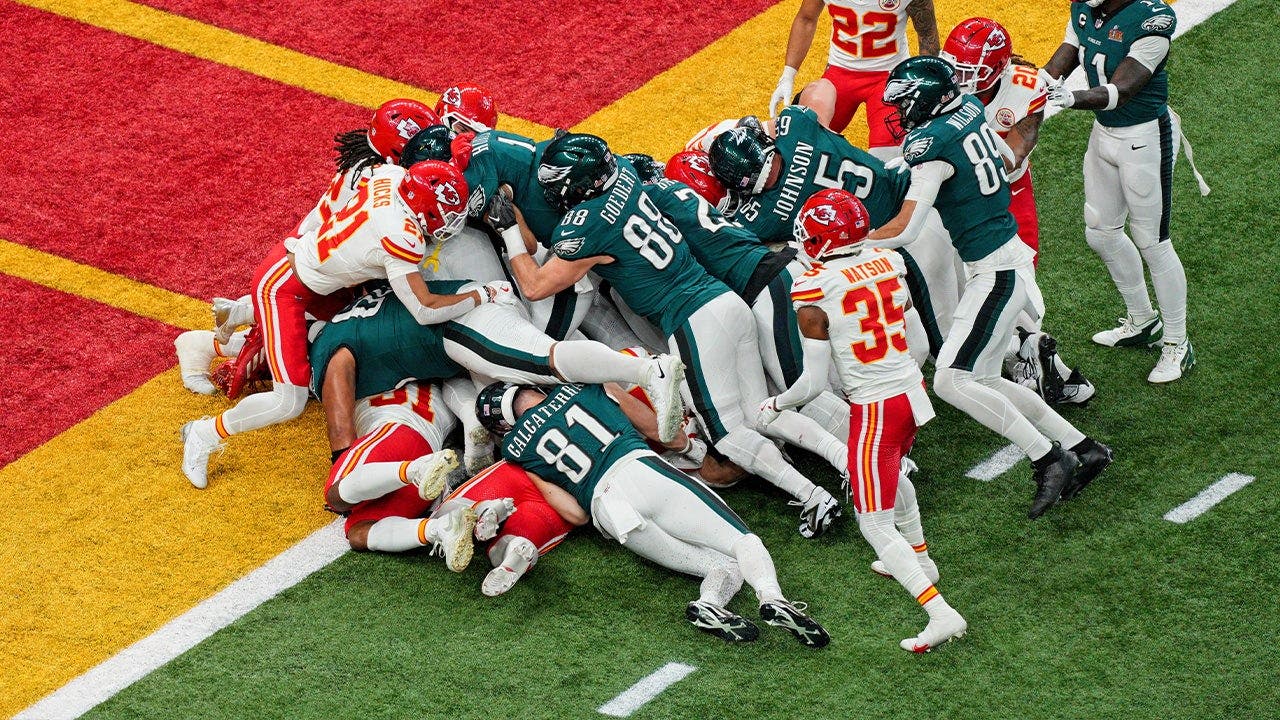
The article reports on early teasers for Madden NFL 27 from EA Sports, highlighting that the game appears to include the Tush Push play in goal-line gameplay. The teaser also showed images of players in different team uniforms and referenced that Caleb Williams is the game's cover athlete; the article notes a simultaneous reveal for College Football 27. The author expresses skepticism about the value of yearly sports-game releases, arguing that year-to-year changes are often marginal and questioning whether new features (like the Tush Push) justify a full-price purchase. The piece compares this to recent industry practices — citing F1 25's DLC model where new cars and tracks were sold separately, with an example price of $50 for that DLC — and advocates for alternative approaches such as multi-year releases with annual roster updates or lower-priced DLC instead of a full-priced new title.
Biblical Reflection
From a Christian vantage point, the article raises valid concerns about honesty in marketing and fair treatment of consumers. Video-game publishers—like any businesses—face pressures to monetize popularity, and that can produce choices that prioritize profit over clear value for customers. The author's frustration with paying repeatedly for minor changes is a legitimate consumer stewardship concern: Christians are called to wise use of resources and to truthfulness in commerce. At the same time, the article is an opinion piece and mixes factual reporting (teaser images, cover athlete) with personal judgment about what constitutes sufficient new content. Its tone is consumer‑centric and skeptical of industry motives; it does not consider other stakeholders (developers, artists, platform holders) or the costs of development that might justify certain pricing models. Read with discernment: appreciate the ethical questions about transparency and fairness, but be cautious about broad conclusions drawn from a few teasers. The Christian response should balance truth-telling about business practices, mercy toward workers in the industry, and humility about our own consumer desires. Advocate for clearer pricing and fair value without demonizing creators, and cultivate contentment that resists constant consumption.
Scripture in context
This outlook does not yet include contextual Scripture citations. Do not treat a general biblical theme as an exegetical conclusion.
Faithful Response
No prescribed response is offered. Consider the reflection prompts below in your own church context.
Reflection and Discussion
- 1How does the article's mix of factual reporting and personal opinion shape your impression of the game's value, and what evidence would you need to evaluate the publisher's pricing fairly?
- 2Whose costs and incentives are missing from this piece—developers, designers, or platform holders—and how might including them change the assessment of annual releases?
- 3How can Christians hold both developers and corporations accountable for honest marketing while practicing contentment and responsible stewardship in their own consumption?
Sources
Reporting links are evidence inputs; Sanctuary News' biblical reflection is commentary.
This outlook currently relies on fewer than two linked sources. Broaden verification before teaching from it.
- 1.Original reportprimary