News Summary
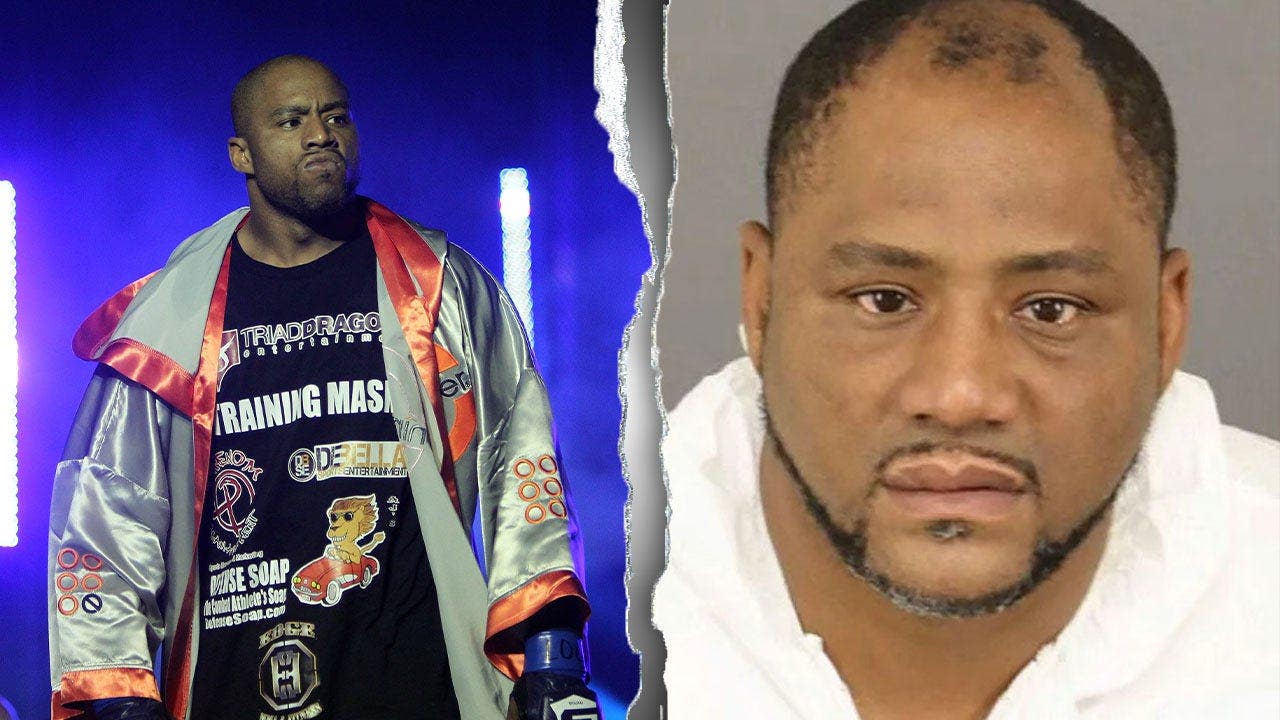
A Colorado jury convicted 47-year-old Lumumba Sayers — a former mixed martial arts competitor and founder of the anti-violence nonprofit Heavy Hands Heavy Hearts — of second-degree murder, tampering with physical evidence, and attempt to commit tampering with physical violence in the Aug. 10, 2024, shooting death of Malcolm Johnson. Prosecutors say Sayers left an anti-violence event, went to a children's birthday party at a water park, approached Johnson and shot him multiple times. Sayers admitted carrying a weapon that night but denied using it to kill Johnson; prosecutors contend an untraceable 3-D printed “ghost gun” was used and that the weapon was then handed off and not recovered. Authorities say Sayers believed Johnson was involved in the 2023 killing of Sayers’ son; that earlier case had a suspect charged but later dismissed. Prosecutors also allege Sayers attempted to plant a gun on Johnson after the shooting; Sayers says he was placing his gun down before police arrived. There reportedly is no surveillance video of the murder. Sayers will be sentenced July 24; Colorado guidelines prescribe 16–48 years for second-degree murder. Heavy Hands Heavy Hearts, which promoted programs described as “Glovez Up, Gunz Down,” had received state and federal grants; the organization’s website emphasized discipline, mentorship, and nonviolence. Sayers’ attorney did not comment in the article.
Biblical Reflection
From a Christian perspective this story exposes several painful realities without offering tidy answers. First, it illustrates human sin and the danger of taking justice into one’s own hands: grief and the desire for retribution can lead even those who publicly preach nonviolence to commit violent acts. The article rightly reports a criminal verdict and details likely and contested facts (no recovered murder weapon; disputed explanations from defendant), but its framing — emphasizing the irony of an anti-violence leader convicted of murder — can encourage cynicism that dismisses the value of outreach programs rather than prompting careful evaluation of accountability, program effectiveness, and oversight. Christians should resist a reflexive collapse from disappointment to despair. The moral truth that violence is wrong is not negated by the moral failure of a single leader; at the same time, Christians must insist on accountability, transparency, and true repentance. Spiritually, the story invites compassion for victims and communities harmed by both the original and subsequent violence, sober lament over how grief can warp judgment, and renewed attention to systemic problems the article touches on (access to untraceable weapons, unresolved prior crimes). Media coverage can carry bias by foregrounding spectacle or personal hypocrisy; a faithful response weighs reported facts, notes where evidence is lacking (no surveillance footage, missing weapon), and seeks justice that is both rigorous and merciful in the biblical sense.
Scripture in context
This outlook does not yet include contextual Scripture citations. Do not treat a general biblical theme as an exegetical conclusion.
Faithful Response
No prescribed response is offered. Consider the reflection prompts below in your own church context.
Reflection and Discussion
- 1Does the article direct your attention toward individual hypocrisy and away from underlying issues (grief, failed prosecutions, weapon access) that allow cycles of violence to continue?
- 2How should Christians distinguish between condemning a leader’s actions and preserving support for organizations and programs that serve vulnerable communities?
- 3Where does the desire for personal retribution show up in our communities, and how does the Bible call us to pursue justice without becoming judge, jury, and executioner?
Sources
Reporting links are evidence inputs; Sanctuary News' biblical reflection is commentary.
This outlook currently relies on fewer than two linked sources. Broaden verification before teaching from it.
- 1.Original reportprimary