News Summary
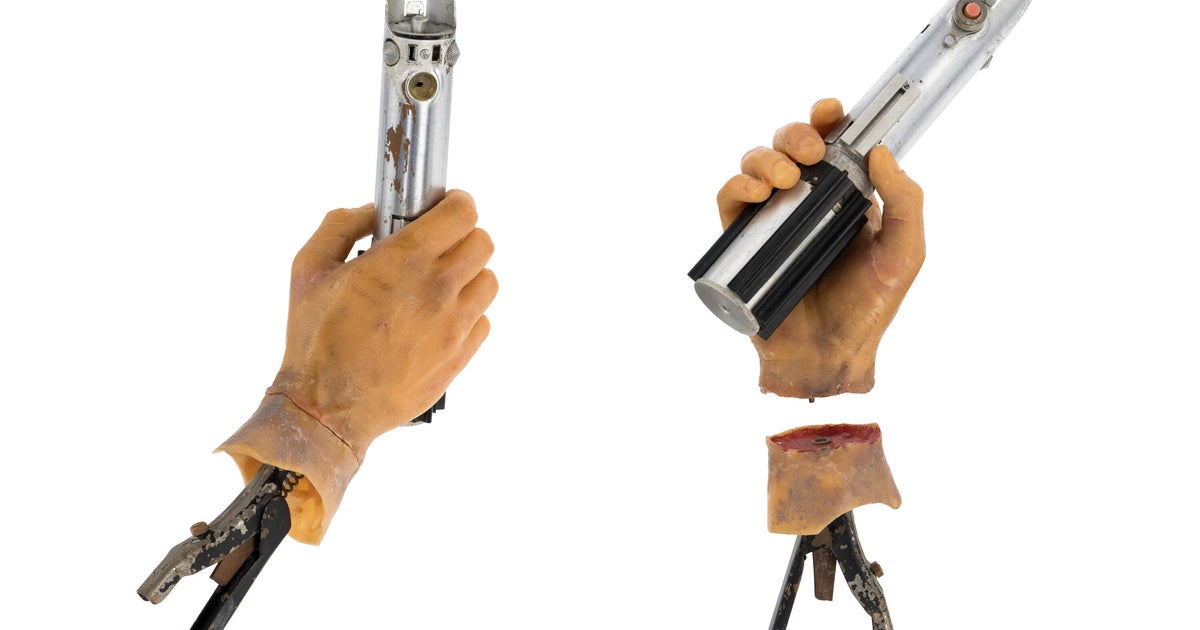
Heritage Auctions will hold a Hollywood & Entertainment Signature Auction from July 13–17 offering numerous film and music memorabilia. Highlighted lots include a lightsaber used by Mark Hamill as Luke Skywalker in 1980's The Empire Strikes Back (with a severed-hand effects rig) with bidding opening at $1 million; a Wicked Witch of the West hat worn by Margaret Hamilton from 1939's The Wizard of Oz (opening bid $100,000); Gene Wilder's brown top hat from Willy Wonka and the Chocolate Factory (opening bid $50,000); Sylvester Stallone's boxing boots from Rocky III (opening bid $100,000); two rugs from The Big Lebowski (opening bids $15,000 each); hoverboards from Back to the Future II; rugs, costumes, a drafted screenplay for a Godfather sequel; and John Lennon's handwritten lyrics for “If I Fell” on a Valentine card. Heritage Auctions' executive vice president said the sale spans entertainment history from Hollywood's Golden Age to modern blockbuster cinema. The report lists other items to be offered but provides no sale outcomes or further provenance beyond the lot descriptions and starting bids.
Biblical Reflection
This report is straightforward auction coverage and largely descriptive, celebrating cultural artifacts and their market value. Seen through a Christian lens, the story raises questions about how society treats material objects that carry memory and meaning: are they preserved for public benefit and education, or treated primarily as investment and status goods? The article does not examine provenance beyond basic descriptions, accessibility for the public, or whether sale proceeds will support preservation, scholarship, or charity. Christians should value the cultural storytelling these objects represent, while resisting idolatry of price tags. Stewardship and truth matter here: accurate provenance, responsible care, and public access reflect virtues of honesty and neighbor-love, whereas exclusive commodification for private gain can narrow a shared cultural inheritance. The article's tone leans toward admiration for iconic items and market interest; readers should note that this framing privileges scarcity and celebrity over questions of communal stewardship and ethical disposition of cultural artifacts.
Scripture in context
This outlook does not yet include contextual Scripture citations. Do not treat a general biblical theme as an exegetical conclusion.
Faithful Response
No prescribed response is offered. Consider the reflection prompts below in your own church context.
Reflection and Discussion
- 1Does treating cultural artifacts primarily as high-value commodities help or hinder public access to shared history and art?
- 2How might our fascination with relics of popular culture reflect what we truly esteem or worship in our hearts?
- 3When treasured items change hands, who benefits most—the public, scholars, or private collectors—and does that align with good stewardship?
Sources
Reporting links are evidence inputs; Sanctuary News' biblical reflection is commentary.
This outlook currently relies on fewer than two linked sources. Broaden verification before teaching from it.
- 1.Original reportprimary