News Summary
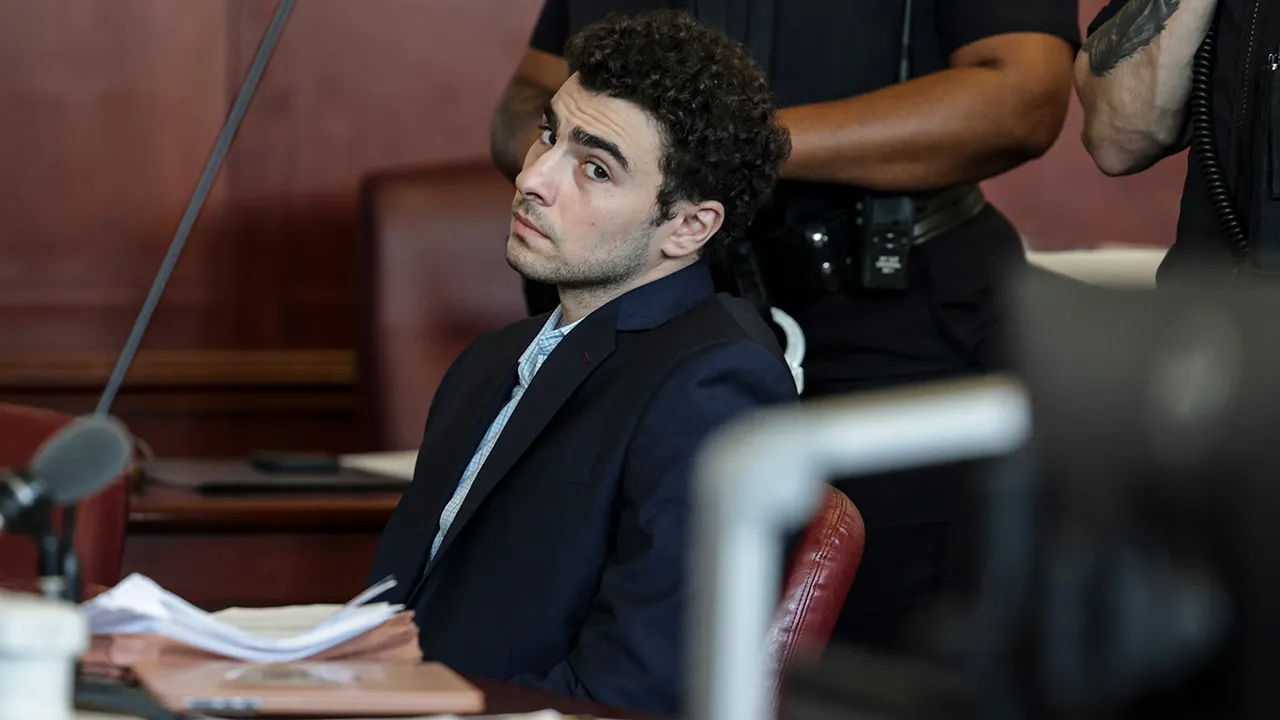
A New York state evidence hearing involving 28-year-old defendant Luigi Mangione was sealed at the defense's request; court staff provided no public explanation for the closure. Mangione is accused of stalking and fatally shooting UnitedHealthcare CEO Brian Thompson outside a Manhattan hotel. He faces state and federal charges, has pleaded not guilty, and has received more than $1.5 million in donations for his defense. At the state proceeding, Judge Gregory Carro ruled some items recovered from Mangione's backpack inadmissible in New York but allowed others into evidence: a handgun, a 3D-printed silencer, and a red notebook prosecutors say contains incriminating writing. The judge suppressed other items including a phone, passport, loaded magazines, a wallet, and a computer chip. A federal judge (Margaret Garnett) has allowed similar evidence in the federal case. Prosecutors allege Mangione followed Thompson from Minnesota to New York and that handwritten materials recovered during arrest express sharp criticism of the health insurance industry, which they cite as a possible motive. Surveillance video allegedly shows a masked shooter approaching Thompson from behind and firing. Media inquiries about why the hearing was sealed received no substantive response from court staff or spokespeople.
Biblical Reflection
From a Christian perspective this story raises two spiritual and ethical concerns: the pursuit of truth and the protection of justice. Allegations in the press are serious but remain allegations until proven in court; Christian witness calls us to avoid premature judgment and to treat accused people and victims' families with both truth and dignity. At the same time, secrecy in high-profile cases can undermine public trust and fuel conspiracy or partisan narratives. Courts sometimes seal proceedings to protect witness safety, safeguard classified material, or preserve a fair trial — reasons that can be legitimate — but unexplained secrecy invites suspicion. The reporting also displays signs of sensational framing (comparisons to celebrity trials, emphasis on donations and ‘movements’), which can distort public perception and tempt Christians toward either zealotry or cynicism. Practically, Christians should pray for careful, impartial adjudication, resist the pull of courtroom theater or social-media verdicts, and advocate for lawful transparency where disclosure does not endanger due process or safety. Love for neighbor means caring about both the victim’s need for justice and the accused’s right to a fair process.
Scripture in context
This outlook does not yet include contextual Scripture citations. Do not treat a general biblical theme as an exegetical conclusion.
Faithful Response
No prescribed response is offered. Consider the reflection prompts below in your own church context.
Reflection and Discussion
- 1Am I treating allegations as established facts when I encounter headlines, or am I waiting for the legal process to produce verified findings?
- 2When courts limit information for legitimate safety or fairness reasons, how can I hold both the need for public accountability and the need for a fair trial in tension?
- 3Is the coverage steering me toward spectacle and partisan frames rather than sober concern for victims, community safety, and the rule of law?
Sources
Reporting links are evidence inputs; Sanctuary News' biblical reflection is commentary.
This outlook currently relies on fewer than two linked sources. Broaden verification before teaching from it.
- 1.Original reportprimary