News Summary
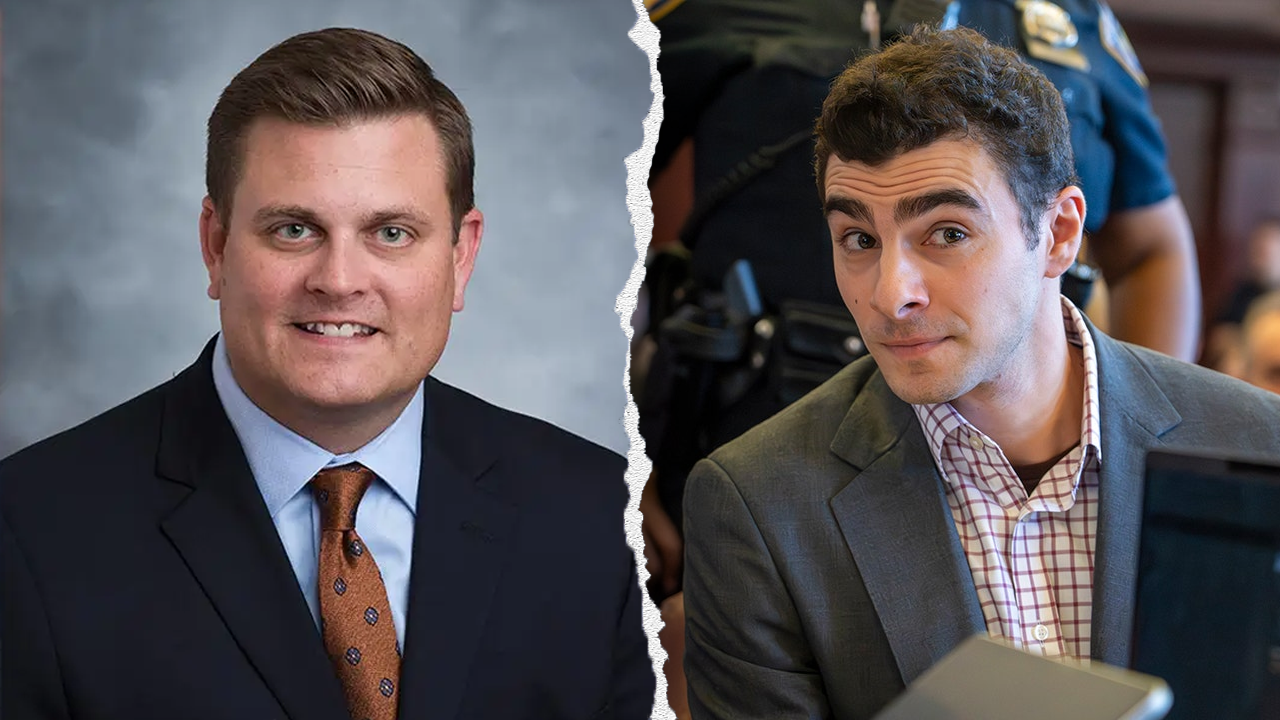
Luigi Mangione, 28, returned to court for a jury selection hearing in his upcoming federal trial after reports that plea negotiations with prosecutors had collapsed. He also faces a separate New York state murder case for the Dec. 4, 2024, shooting death of UnitedHealthcare CEO Brian Thompson. Federal prosecutors and the defense have been negotiating a jury questionnaire for the federal case; the defense proposed questions about jurors’ living situation, employment, children, faith, prior contact with law enforcement, firearms, television habits, ties to the Hilton where the shooting occurred, and any connection to UnitedHealthcare or ownership of its stock. Prosecutors objected that some proposed questions were intrusive or duplicative. Reports citing anonymous sources said plea talks had failed; Mangione’s lawyer called such leaks prejudicial. In the state case, defense lawyers briefly filed notice they would pursue an “extreme emotional disturbance” psychiatric defense—an approach that would have required conceding that Mangione shot Thompson and could reduce a murder charge to manslaughter under New York law—but they withdrew that notice a day after making it public. Prosecutors allege Mangione plotted the killing, traveled across state lines to New York, used a false name to check into a hostel, and fled to Pennsylvania, where he was arrested; the federal case can carry stiffer penalties and lacks a New York-style emotional disturbance defense.
Biblical Reflection
This story sits at the intersection of criminal accountability, due process, and public interest. The reporting focuses on courtroom maneuvering—jury questionnaires, plea talks, and defense strategy—which matter for ensuring a fair trial but can tempt leaking and speculation that prejudice justice. Christians should hold both truth and mercy: seek accurate facts rather than rumor (especially anonymous-source snippets), respect the presumption of innocence until proven guilty, and show compassion for the victim’s family while affirming the need for just consequences if the allegations are proven. The withdrawn psychiatric defense raises genuine pastoral questions about mental health, responsibility, and how the legal system balances explanation, accountability, and public safety. Note also the article’s use of charged language (e.g., “politically motivated assassination” as described by prosecutors) and reliance on anonymous sources; such framing can shape public perception before courts decide, so discernment about bias and motive in reporting is necessary.
Scripture in context
This outlook does not yet include contextual Scripture citations. Do not treat a general biblical theme as an exegetical conclusion.
Faithful Response
No prescribed response is offered. Consider the reflection prompts below in your own church context.
Reflection and Discussion
- 1How do anonymous leaks and media framing before trial affect the fairness of the legal process and our own readiness to judge?
- 2When mental illness or emotional disturbance is raised in a criminal defense, how should Christians balance compassion, the need for accountability, and the protection of the vulnerable?
- 3Are we giving space to truth and due process, or are we allowing suspicion and outrage to replace careful judgment?
Sources
Reporting links are evidence inputs; Sanctuary News' biblical reflection is commentary.
This outlook currently relies on fewer than two linked sources. Broaden verification before teaching from it.
- 1.Original reportprimary