News Summary
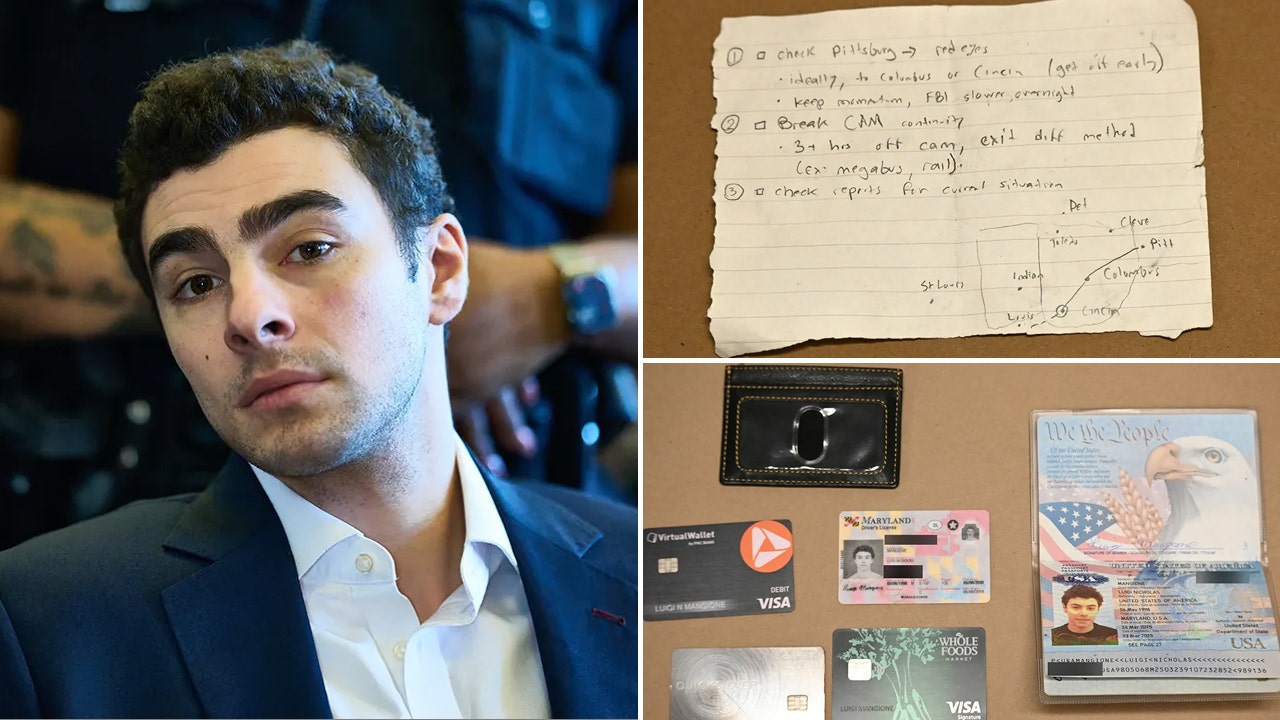
This article covers the ongoing legal proceedings against Luigi Mangione, who stands accused of murdering Brian Thompson, CEO of UnitedHealthcare. The current focus is on pre-trial hearings in New York, where Mangione's defense team is challenging the admissibility of evidence collected from his backpack during his arrest in Pennsylvania. They argue the search was conducted without a warrant and that there was a delay in reading Mangione his Miranda rights. Prosecutors, citing exceptions to the warrant requirement (such as search incident to arrest or inventory search), contend the search was lawful if there was probable cause for the arrest. The evidence in question includes weapons, ammunition, a manifesto, documents, and other personal items that could be crucial for the prosecution. If the judge rules in favor of the defense and excludes the evidence, it could significantly weaken the prosecution's case. The article also describes the circumstances of Mangione's arrest, including his use of a false identity and police body camera footage documenting the encounter.
Biblical Reflection
From a biblical perspective, this news story underscores themes of justice, truth, and the moral weight of human actions. Scripture teaches that God is a God of justice (Isaiah 61:8) and that earthly authorities are tasked with maintaining order and fairness (Romans 13:1-4). The legal process, with its emphasis on due process and the rights of the accused, reflects the biblical principle that judgment should be fair, impartial, and based on truth (Deuteronomy 16:18-20). The alleged crime—murder—stands in direct opposition to God’s commandments (Exodus 20:13), and the pursuit of truth in the investigation is essential for justice to be served. At the same time, the legal debates about evidence remind us that even in the pursuit of justice, human systems are fallible and must be held to high standards of integrity. This story is a sobering reminder of the reality of sin and its consequences, as well as the ongoing need for both justice and mercy. It also calls us to pray for all involved: the victim's family, the accused, law enforcement, and the legal system—that God's righteousness and truth will prevail.
Scripture in context
This outlook does not yet include contextual Scripture citations. Do not treat a general biblical theme as an exegetical conclusion.
Faithful Response
No prescribed response is offered. Consider the reflection prompts below in your own church context.
Reflection and Discussion
- 1How do I respond to news of crime and justice—do I seek truth and fairness, or rush to judgment?
- 2In what ways can I pray for both justice and mercy in situations where lives and futures are at stake?
- 3How can I support integrity and righteousness in the systems and authorities that govern my community?
Sources
Reporting links are evidence inputs; Sanctuary News' biblical reflection is commentary.
This outlook currently relies on fewer than two linked sources. Broaden verification before teaching from it.
- 1.Original reportprimary