News Summary
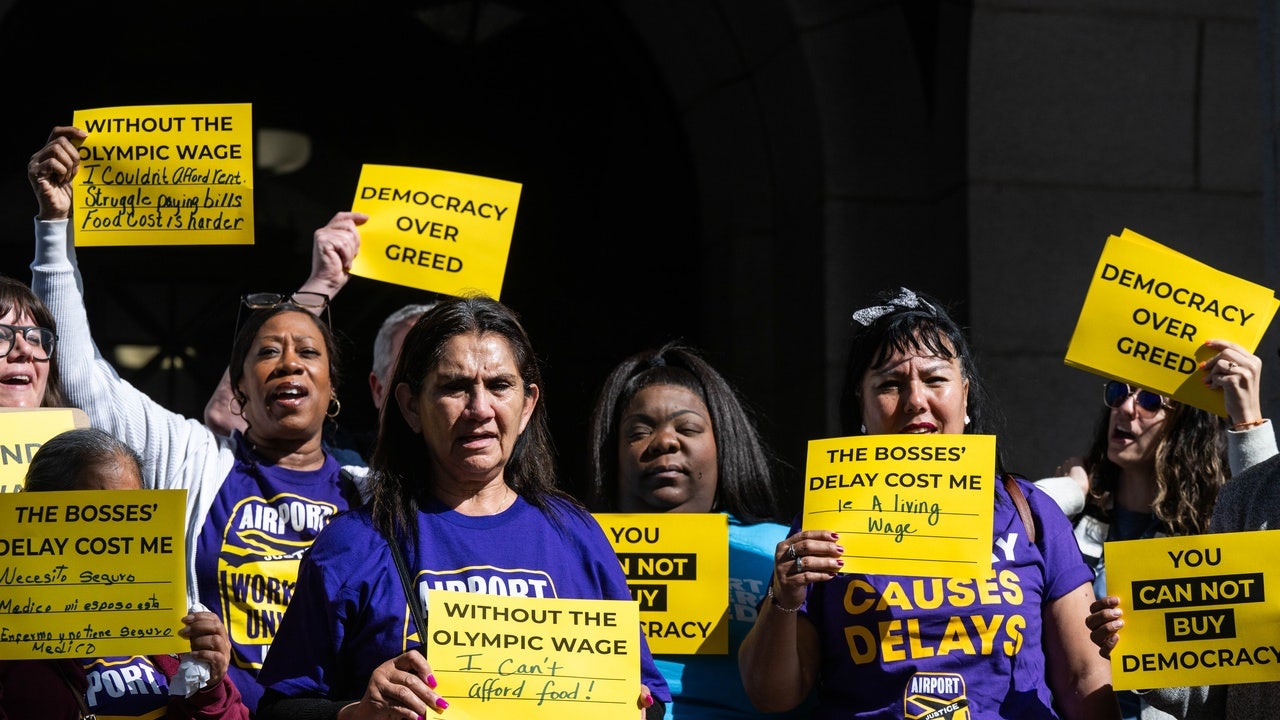
This is an opinion piece by Ted Jenkin (Fox News) responding to a Los Angeles policy to raise pay for hotel and airport workers to $30 per hour, described by supporters as an "Olympic Wage" tied to the economic activity expected from the 2028 Summer Olympics. The author argues that wage mandates do not create wealth, and that sharply higher labor costs will lead employers to raise prices, cut staffing or hours, delay investment and renovations, accelerate automation, or relocate operations to lower-cost states. The piece cites warnings from the local hotel industry and references studies and past wage hikes as evidence that mandated wage increases can reduce hiring and investment. The author frames the policy as part of a pattern of mandates and regulation that he says harms Los Angeles’ business climate and competitiveness.
Biblical Reflection
This article represents a free-market, pro-business perspective arguing that government-mandated wage increases will produce negative economic consequences for employers and workers. As an opinion column, it advances a clear policy preference and relies on economic reasoning and industry warnings; it does not present a balanced survey of empirical research, alternative models, or direct testimony from affected workers. The piece’s underlying worldview treats businesses as the primary engine of wage creation and frames regulators as likely to do harm. A Christian reading should neither reflexively accept nor reflexively reject the claims. Truth-seeking requires checking data (how many workers affected, short- vs. long-term effects, local cost of living, and comparable case studies). Pastoral concerns push us to weigh worker dignity, family stability, and the needs of the vulnerable alongside legitimate worries about jobs, investment, and public stewardship. Spiritually, the article highlights a common secular tension: whether policy should prioritize market efficiency or direct interventions to protect the least advantaged. Christian wisdom calls for humility about economic certainty, mercy toward low-wage workers, courage to hold leaders accountable for practical outcomes, and the pursuit of policies that seek the common good rather than ideological purity.
Scripture in context
This outlook does not yet include contextual Scripture citations. Do not treat a general biblical theme as an exegetical conclusion.
Faithful Response
No prescribed response is offered. Consider the reflection prompts below in your own church context.
Reflection and Discussion
- 1Whose voices and data are missing from this argument — workers, small employers, economists with differing findings — and how would including them change the picture?
- 2Does the author assume business outcomes are the only measure of human flourishing, and what would a policy look like if it started by prioritizing mercy and stewardship as well as economic efficiency?
- 3Are we judging this policy by short-term disruption or long-term community flourishing, and how should Christians weigh trade-offs between immediate needs and economic signals?
Sources
Reporting links are evidence inputs; Sanctuary News' biblical reflection is commentary.
This outlook currently relies on fewer than two linked sources. Broaden verification before teaching from it.
- 1.Original reportprimary