News Summary
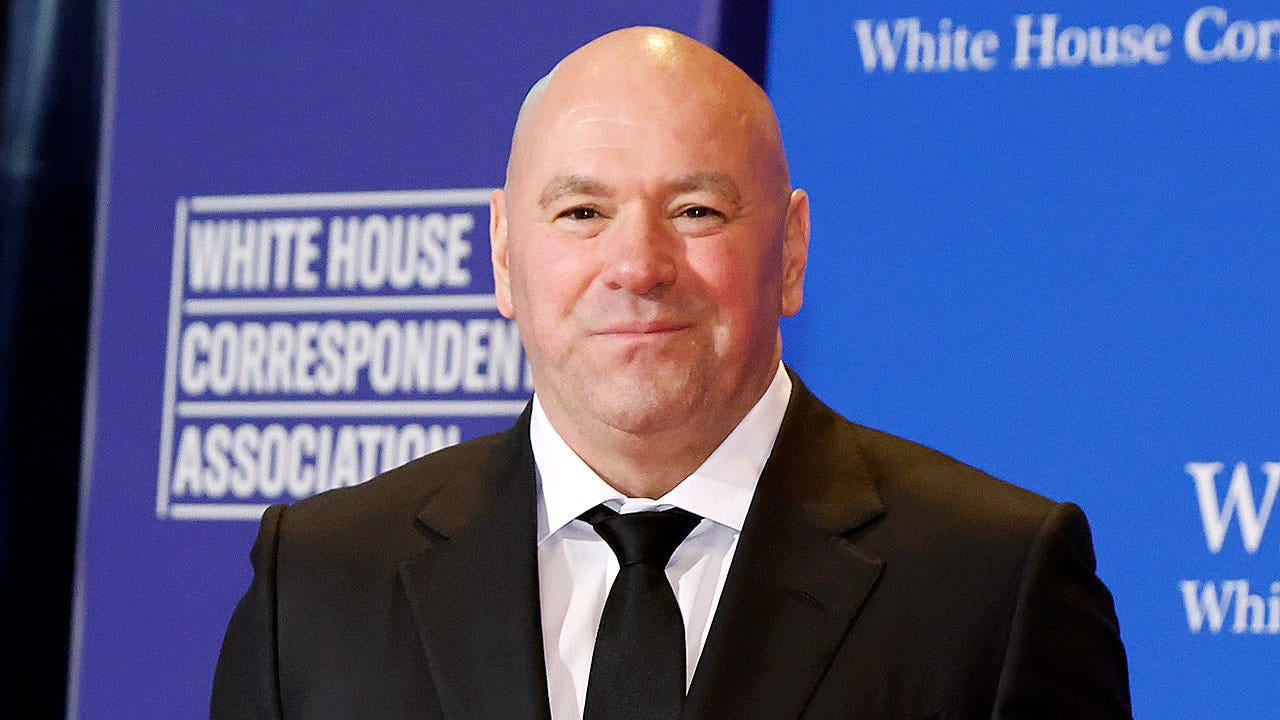
On a Sean Hannity program and in a Fox News story, longevity consultant Gary Brecka said he was asked by people in Dana White's circle to contact the UFC president after noting symptoms such as daytime sleepiness. Brecka said he obtained blood work and genetic testing (which he described as obtained under false pretenses) and that preliminary laboratory indicators were alarming: very high triglyceride levels, blood that reportedly coagulated at room temperature, and an elevated homocysteine level (which he described as hyper-homocystinemia). Based on his interpretation of those results, Brecka said White was experiencing vascular constriction leading to hypertension, and that without intervention White "wasn't going to see 65," estimating an initial predicted remaining lifespan of about 10.4 years. Brecka said he flew to Las Vegas, began a strict ketogenic diet and blood-pressure monitoring for White, and that these changes extended White's predicted lifespan from his original assessment. The account and medical interpretations in the article are presented as Brecka's claims and are not accompanied by independent medical records, peer-reviewed data, or statements from White's treating physicians in the published piece.
Biblical Reflection
From a Christian perspective, this story raises several important points. First, caring for our bodies is a form of stewardship (we are called to tend the life God has given), so attention to serious health signals and willingness to change habits are commendable. At the same time, Christians should be cautious about single-source, sensational medical claims—especially those publicized in media soundbites and tied to celebrity narratives. The article centers the authority of a self-described biohacker whose methods and conclusions are not independently verified in the piece; Christians should prize both humility and truth-seeking, resisting fear-driven responses. Ethically, Brecka's admission that he "tricked" White raises questions about consent and respect for the person—Christian discipleship calls us to honesty and honoring others' dignity (Ephesians 4:25). Finally, while lifestyle changes can be powerful, faith asks us to balance prudent use of medical wisdom with trust in God, avoiding fatalism or fear-mongering about specific timelines. Evaluate such reports by asking for corroborating medical evidence, expert peer review, and respect for patient autonomy. Celebrate steps toward healthier living as responsible stewardship, but apply discernment to claims that sound definitive without transparent backing.
Scripture in context
This outlook does not yet include contextual Scripture citations. Do not treat a general biblical theme as an exegetical conclusion.
Faithful Response
No prescribed response is offered. Consider the reflection prompts below in your own church context.
Reflection and Discussion
- 1What evidence would you ask for before accepting a dramatic medical prognosis reported by a single consultant in a media appearance?
- 2Does the use of deception (as described) in obtaining medical testing change how you view the intervention, and how should Christians weigh ends/means in matters of health?
- 3How can concern about health be practiced as faithful stewardship rather than fear-driven urgency or sensationalism?
Sources
Reporting links are evidence inputs; Sanctuary News' biblical reflection is commentary.
This outlook currently relies on fewer than two linked sources. Broaden verification before teaching from it.
- 1.Original reportprimary