News Summary
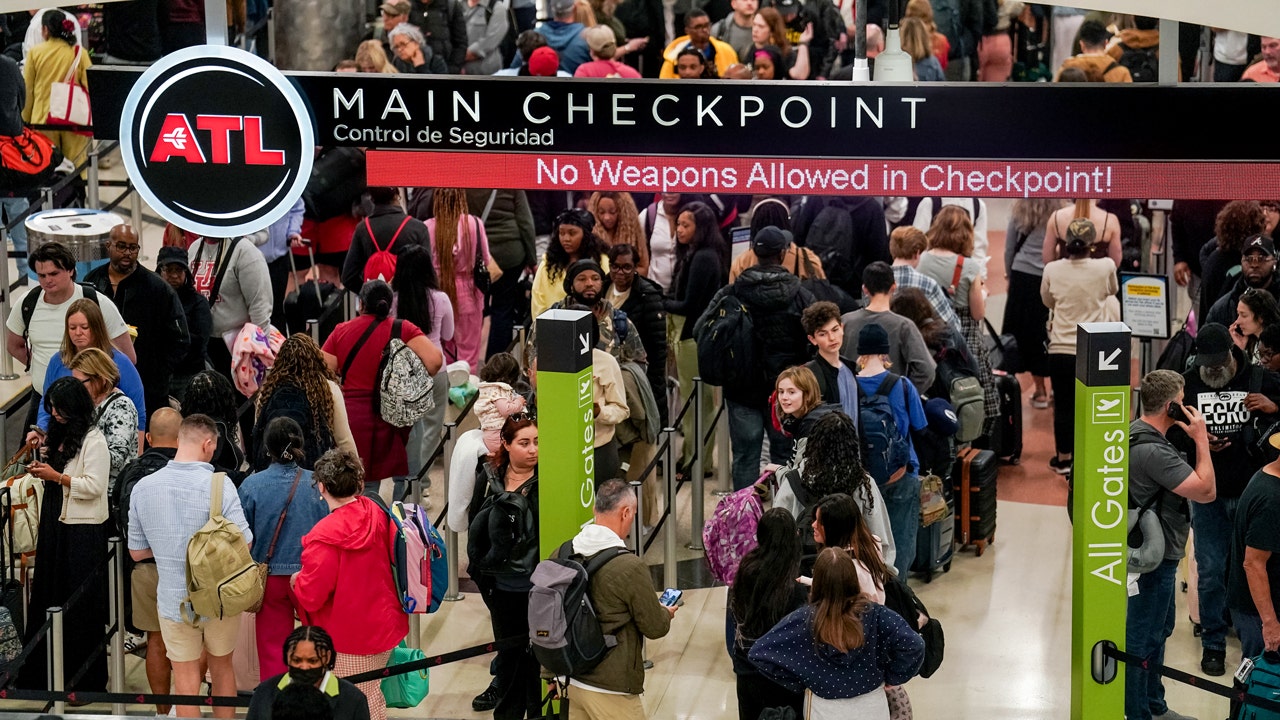
Airports across the U.S. — including LaGuardia (New York), Hartsfield‑Jackson Atlanta, and William P. Hobby (Houston) — have been experiencing hours‑long TSA security lines, with reported waits over 2.5 hours. Some TSA employees have missed paychecks amid funding/staffing problems, and union representatives warn the situation threatens national security and officers’ livelihoods. Frustrated travelers are attempting to bypass long domestic lines by using international checkpoints, and many PreCheck holders are using TSA’s Touchless ID (a facial‑comparison, opt‑in system airlines can enroll passengers in) to speed screening. TSA states the touchless program deletes photo and personal data within 24 hours and plans to expand to 65 airports by spring 2026. Airport officials have asked domestic passengers to remain in domestic checkpoints; TSA and union reps call for prioritized funding to resolve staffing and pay issues. The article includes quotes from a TSA union representative describing officers’ financial hardship and blames political gridlock for delayed fixes.
Biblical Reflection
Scripturally, this story touches on multiple moral concerns: the duty to love our neighbor and preserve the common good, the call to honesty and respect for rules, and the responsibility of authorities to care for those they employ. When travelers intentionally ‘hack’ security lines—entering international checkpoints or using procedures they are not entitled to—they compromise fairness and potentially endanger others who depend on orderly screening. Proverbs and the Ten Commandments underline honesty and fairness; taking advantage of a system in ways that harm others is contrary to those commands.
At the same time, Scripture calls the community and leaders to justice and to defend the vulnerable (Isaiah and Micah emphasize seeking justice and defending the oppressed). The reported unpaid wages and staffing shortfalls raise questions of stewardship and justice: employers and governing authorities are accountable to provide for workers and public safety. Christians should neither excuse rule‑breaking out of impatience nor ignore the legitimate needs of workers and systemic failures. The faithful response combines personal integrity (do not deceive or cut in line), compassion and advocacy (pray for and support affected workers, press for fair funding and policies), and patience exercised in public life. Technological convenience (touchless ID) can be a helpful tool, but it should not be a substitute for addressing underlying problems of staffing, funding, and respect for shared civic order.
Scripture in context
This outlook does not yet include contextual Scripture citations. Do not treat a general biblical theme as an exegetical conclusion.
Faithful Response
No prescribed response is offered. Consider the reflection prompts below in your own church context.
Reflection and Discussion
- 1When systems fail and frustration grows, how can I act in ways that protect the common good rather than take shortcuts that harm others?
- 2Who in this situation needs my compassion or practical support (e.g., TSA workers, fellow travelers), and what could I do to help?
- 3How should I balance using helpful technology (like touchless ID) with concerns about fairness, privacy, and stewardship?
Sources
Reporting links are evidence inputs; Sanctuary News' biblical reflection is commentary.
This outlook currently relies on fewer than two linked sources. Broaden verification before teaching from it.
- 1.Original reportprimary