News Summary
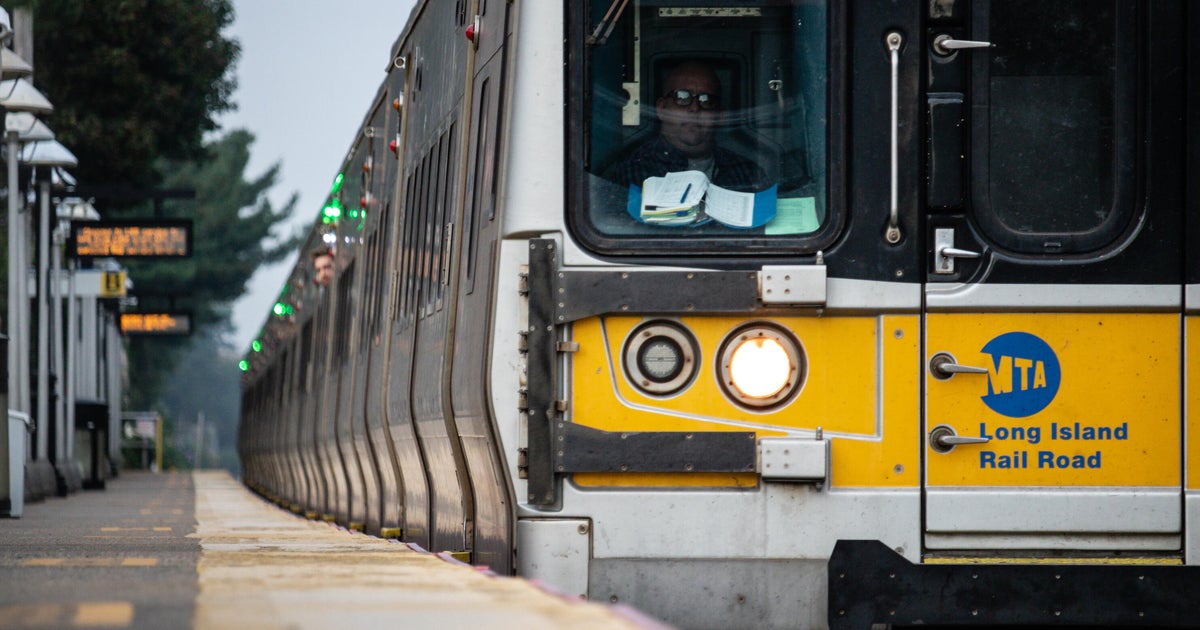
Long Island Rail Road (LIRR) service was shut down after workers went on strike following failed negotiations over the fourth year of a proposed four-year contract. The MTA and the unions had agreed on the first three years of the contract; the remaining dispute concerned the final year. The union sought a 5% pay increase for that year; the MTA offered a 3% raise with conditional options that could raise it to 4.5% if certain work-rule concessions were made. MTA officials warned a 5% increase could require higher fares systemwide. The LIRR carries about 250,000 passengers each weekday. The LIRR said prorated refunds will be issued to May monthly ticket holders for days affected; details on applying for refunds will be released. The MTA arranged limited bus service from several Long Island stations to subway stations in Queens and encouraged riders to use local bus services or work from home when possible. Public messaging emphasized the expected severe congestion and delays due to the shutdown. A SUNY Empire professor told reporters that only about 40% of workers can realistically work remotely, so many commuters will drive, increasing short-term traffic congestion.
Biblical Reflection
From a Christian perspective this story raises two important moral considerations that must be held together: the dignity and fair treatment of workers, and the stewardship of public resources and the common good. Scripture calls for fair wages and just treatment of laborers, while also entrusting public leaders with care for a broader population that depends on public services. The article's framing centers largely on commuter inconvenience and system-wide fare impacts; it provides limited context about workers' living costs, the unions' broader bargaining priorities, or long-term funding pressures on the MTA. That framing can subtly prioritize short-term convenience and budget optics over questions of economic justice. Christians should resist simple binary loyalties (either siding uncritically with management or with labor) and instead seek wisdom that honors both justice for workers and responsible care for the community. Pray for honest negotiation, transparent public accounting, and solutions that protect vulnerable commuters and workers alike. Also watch for missing voices and assumptions: media coverage often emphasizes disruption and dollar amounts without exploring underlying causes—pension and funding structures, inflation, local housing costs, or the bargaining power balance—which shape whether demands are reasonable or unsustainable. Ultimately, the biblical call is to pursue fairness, peaceable resolution, and policies that serve neighbors, especially those most dependent on public transit.
Scripture in context
This outlook does not yet include contextual Scripture citations. Do not treat a general biblical theme as an exegetical conclusion.
Faithful Response
No prescribed response is offered. Consider the reflection prompts below in your own church context.
Reflection and Discussion
- 1Whose voices are missing or minimized in this coverage (workers, low-income riders, long-term taxpayers), and how does that shape my instinctive response?
- 2Does the article presume that short-term inconvenience or fiscal optics are the primary moral considerations, rather than questions of justice and long-term stewardship?
- 3How can Christians advocate for outcomes that protect both workers' dignity and the public's need for reliable, affordable transit?
Sources
Reporting links are evidence inputs; Sanctuary News' biblical reflection is commentary.
This outlook currently relies on fewer than two linked sources. Broaden verification before teaching from it.
- 1.Original reportprimary