News Summary
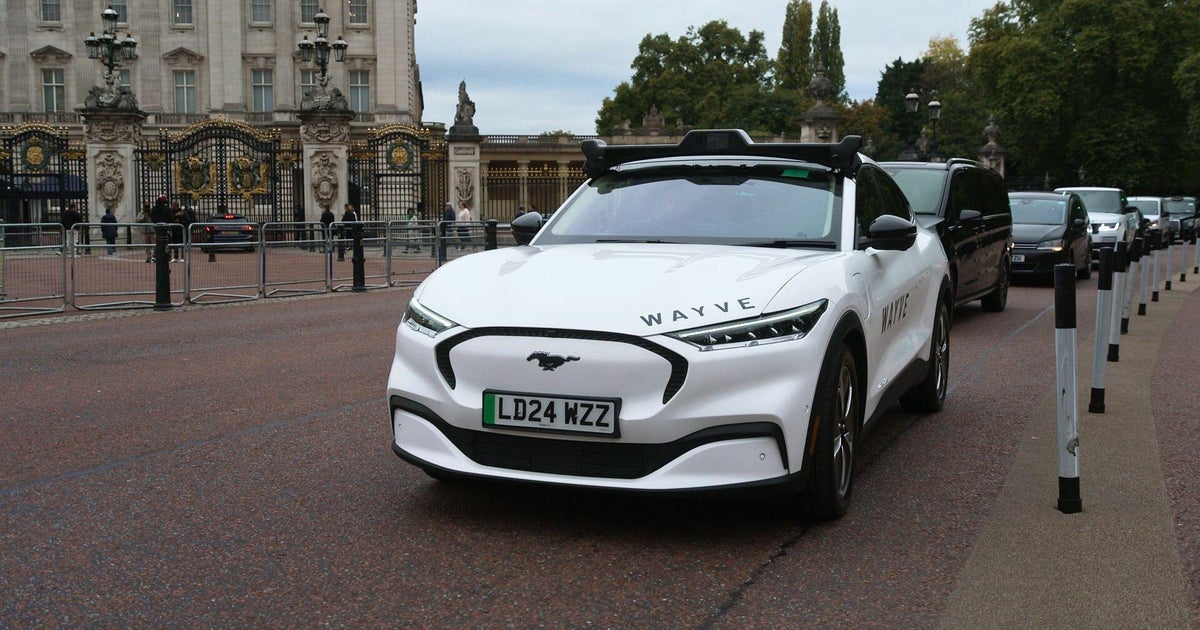
London's licensed black cab drivers undergo a long exam called the Knowledge, in which candidates memorize roughly 25,000 streets and thousands of landmarks and routes; the training can take years and has been associated with physical changes in drivers' hippocampi. The number of black cab drivers in London has declined from about 25,000 to 16,000 over the last decade, with income pressure from ride‑hail services. Several autonomous vehicle companies, including Waymo and Wayve, are testing robotaxis in London to prepare for possible operations; the technology approaches differ (Waymo pre‑maps cities, Wayve emphasizes real‑time learning). Waymo says its data show its service can be safer than human drivers and notes large amounts of real and simulated mileage used in training. Media coverage and demonstrations show robotaxi sensors and interfaces and describe rides that felt cautious and steady. However, there have been operational problems in the U.S. — including incidents involving police scenes, interference with emergency responders, and illegally passing stopped school buses — prompting recalls and federal scrutiny. As of the report, robotaxis are not yet approved to pick up passengers across London; human safety operators remain present during testing. Prospective cab drivers continue to attempt the Knowledge despite industry pressures, and individual drivers express a range of confidence and concern about the technology's future impact.
Biblical Reflection
This story contrasts two legitimate goods: the pursuit of safety and efficiency through innovation, and the human dignity tied to skilled work and civic tradition. Tech companies frame autonomous vehicles as improvements in safety and productivity, backed by large data sets and testing, but operational incidents and regulatory probes show the evidence is mixed and evolving. The article's framing tends to highlight both the romance and expertise of black cab drivers and the technical promise of robotaxis; readers should note a pro‑innovation bias (emphasizing safety claims and sensor capabilities) and a preservationist bias (valorizing tradition and identity). From a Christian perspective we should seek truth about the actual safety and social effects of the technology, show mercy to workers facing displacement, and humbly support policies that protect public safety while providing just transitions for those economically affected. Practical virtues here include discerning claims against verified evidence, advocating for transparent regulation, and caring for neighbors whose livelihoods and communities are changed by technological shifts.
Scripture in context
This outlook does not yet include contextual Scripture citations. Do not treat a general biblical theme as an exegetical conclusion.
Faithful Response
No prescribed response is offered. Consider the reflection prompts below in your own church context.
Reflection and Discussion
- 1What evidence is being offered to support claims that robotaxis are safer, and where do independent reviews or regulatory findings differ from company claims?
- 2Who gains and who loses if autonomous taxis scale up—are protections and retraining in place for drivers and communities dependent on traditional taxi work?
- 3How should public policy balance innovation and public safety while honoring the dignity and social role of skilled professions?
Sources
Reporting links are evidence inputs; Sanctuary News' biblical reflection is commentary.
This outlook currently relies on fewer than two linked sources. Broaden verification before teaching from it.
- 1.Original reportprimary