News Summary
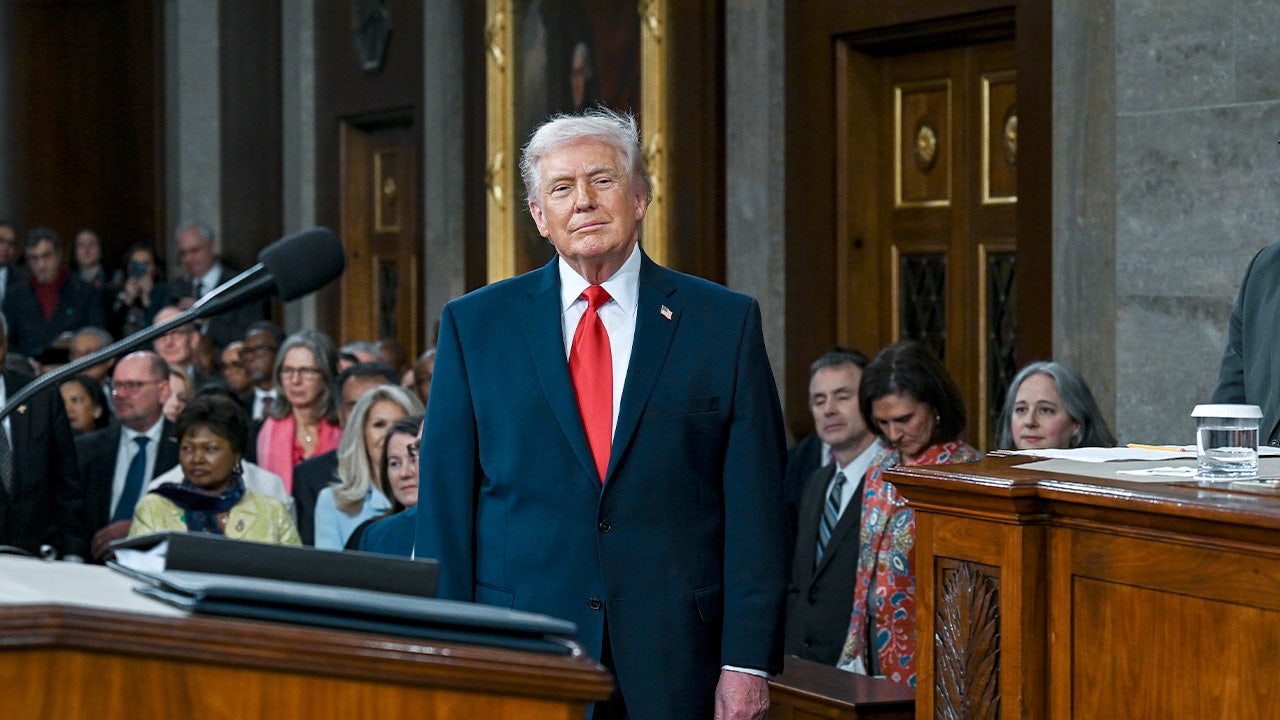
The article provides a commentary on President Donald Trump’s most recent State of the Union address, which was the longest in at least 60 years. The speech struck an optimistic and celebratory tone, highlighting the U.S. men’s Olympic hockey team and honoring various heroes in the gallery. Trump used the occasion to showcase his administration’s accomplishments over the past year, especially in areas like economic growth, tax cuts, prescription drug prices, IVF affordability, health care transparency, and efforts to root out welfare fraud. He also addressed pressing issues such as immigration, border security, sanctuary cities, and the cost of living, contrasting his policies with those of the previous Biden administration. Trump criticized Democrats for boycotting the speech and for supporting issues like gender reassignment of minors without parental approval. Throughout the address, he positioned himself as the leader working to resolve the problems he claims were left by the prior administration, promising continued work on affordability and public safety.
Biblical Reflection
From a biblical perspective, leadership and governance are measured by justice, humility, truth, and a concern for the vulnerable (Micah 6:8; Proverbs 29:2). The article describes a speech that is optimistic and seeks to inspire pride and unity by celebrating national heroes and accomplishments. However, it also highlights division—both in policy and rhetoric—between political parties. While uplifting stories of courage and sacrifice align with biblical values that honor what is good (Romans 13:7), the tone of derision toward political opponents and the use of terms like “these people are crazy” risk undermining the biblical call to love one’s neighbor and speak truth in love (Ephesians 4:15, Matthew 5:44). The focus on economic policies, justice in rooting out fraud, and care for the needy can reflect biblical stewardship and stewardship of authority, but they should always be pursued with compassion, humility, and integrity. Christians are called to pray for leaders (1 Timothy 2:1-2), to seek justice, and to strive for peace—even amidst political disagreement. Ultimately, any leader’s claims and accomplishments should be weighed by the fruit they produce in society: Do they promote justice, mercy, and humility? Do they bring hope without disparaging others?
Scripture in context
This outlook does not yet include contextual Scripture citations. Do not treat a general biblical theme as an exegetical conclusion.
Faithful Response
No prescribed response is offered. Consider the reflection prompts below in your own church context.
Reflection and Discussion
- 1How can I pray for those in leadership, even when I disagree with their policies or tone?
- 2In discussing political issues, do my words reflect justice, mercy, and humility as taught in Scripture?
- 3How do I discern whether a leader’s actions and words align with biblical values of compassion and truth?
Sources
Reporting links are evidence inputs; Sanctuary News' biblical reflection is commentary.
This outlook currently relies on fewer than two linked sources. Broaden verification before teaching from it.
- 1.Original reportprimary