News Summary
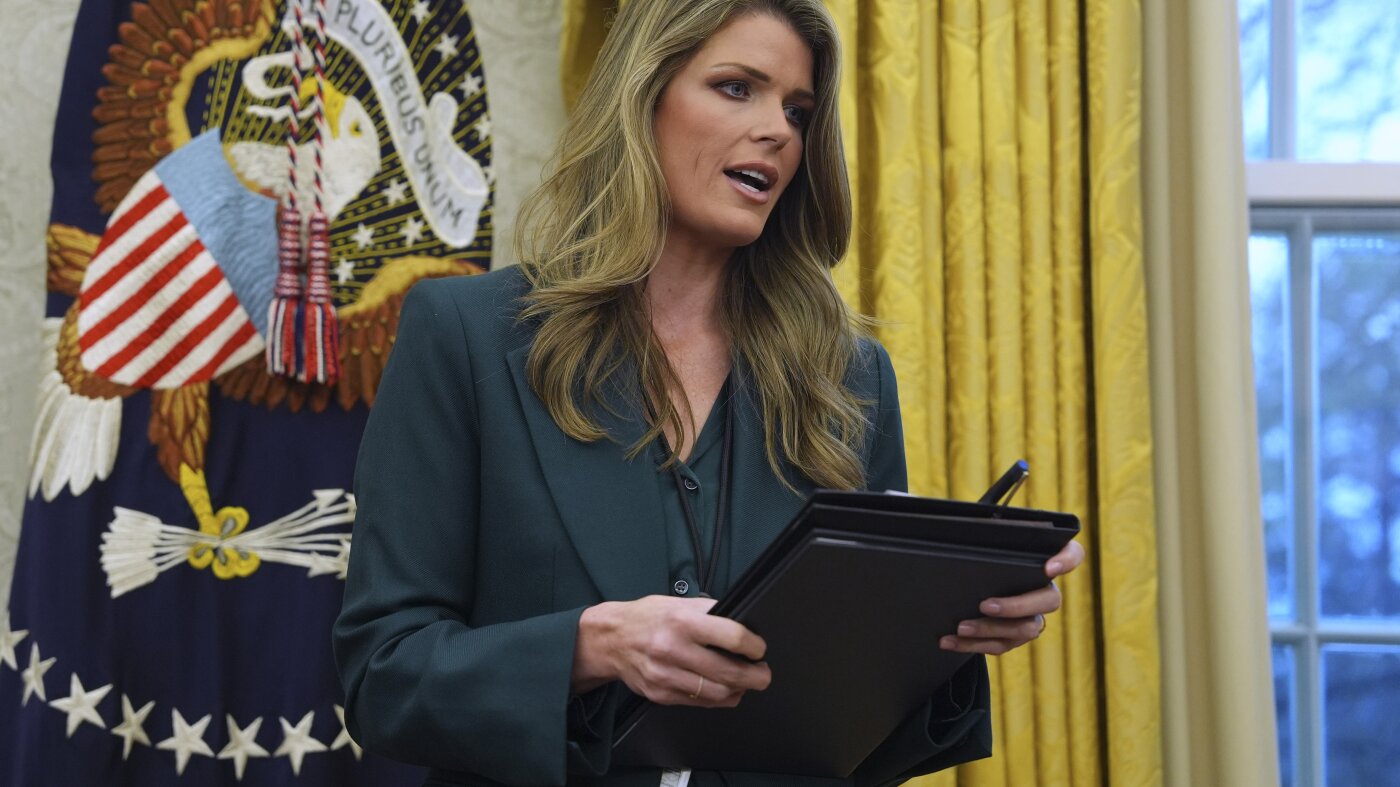
Lindsey Halligan, a former senior White House aide and personal attorney for President Donald Trump, was appointed by Trump as acting U.S. attorney for the Eastern District of Virginia despite having no prior prosecutorial experience. Her appointment came after Erik Siebert resigned under pressure, amid calls from Trump for legal action against perceived political opponents, including former FBI Director James Comey and New York Attorney General Letitia James. Halligan quickly pursued indictments against both, but her authority was challenged by federal judges who ruled her appointment unlawful, as it bypassed required legal procedures such as Senate confirmation or court appointment. Judges described her tenure as a 'charade,' and her actions led to the dismissal of the cases she brought. Attorney General Pam Bondi and Halligan strongly objected to the courts' rulings, but ultimately, Halligan's appointment expired, and she left the prosecutor's office. The situation caused significant turmoil in the prosecutor's office and led to questions about the integrity and legality of the appointments and indictments.
Biblical Reflection
From a biblical perspective, this episode raises issues of integrity, the proper use of authority, and respect for the rule of law. Scripture cautions against pursuing personal or political vendettas, and instead calls for justice, fairness, and humility in leadership. The attempt to circumvent established legal processes for the sake of political expediency undermines the justice system and erodes public trust. Romans 13:1-7 instructs believers to be subject to governing authorities and respect lawful processes, recognizing that legitimate authority is established by God. The Bible also warns against false accusations (Exodus 20:16) and the misuse of power (Micah 6:8). In this case, the lack of qualification and the contested legality of the appointment, combined with the targeting of political opponents, suggests a departure from these scriptural principles. Christians are called to seek justice, act with integrity, and uphold truth—even when doing so is inconvenient or unpopular.
Scripture in context
This outlook does not yet include contextual Scripture citations. Do not treat a general biblical theme as an exegetical conclusion.
Faithful Response
No prescribed response is offered. Consider the reflection prompts below in your own church context.
Reflection and Discussion
- 1How do I respond when the pursuit of justice is overshadowed by personal or political agendas?
- 2In what ways am I called to uphold integrity and fairness in my own spheres of influence?
- 3How can Christians contribute to restoring trust and accountability in public institutions?
Sources
Reporting links are evidence inputs; Sanctuary News' biblical reflection is commentary.
This outlook currently relies on fewer than two linked sources. Broaden verification before teaching from it.
- 1.Original reportprimary