News Summary
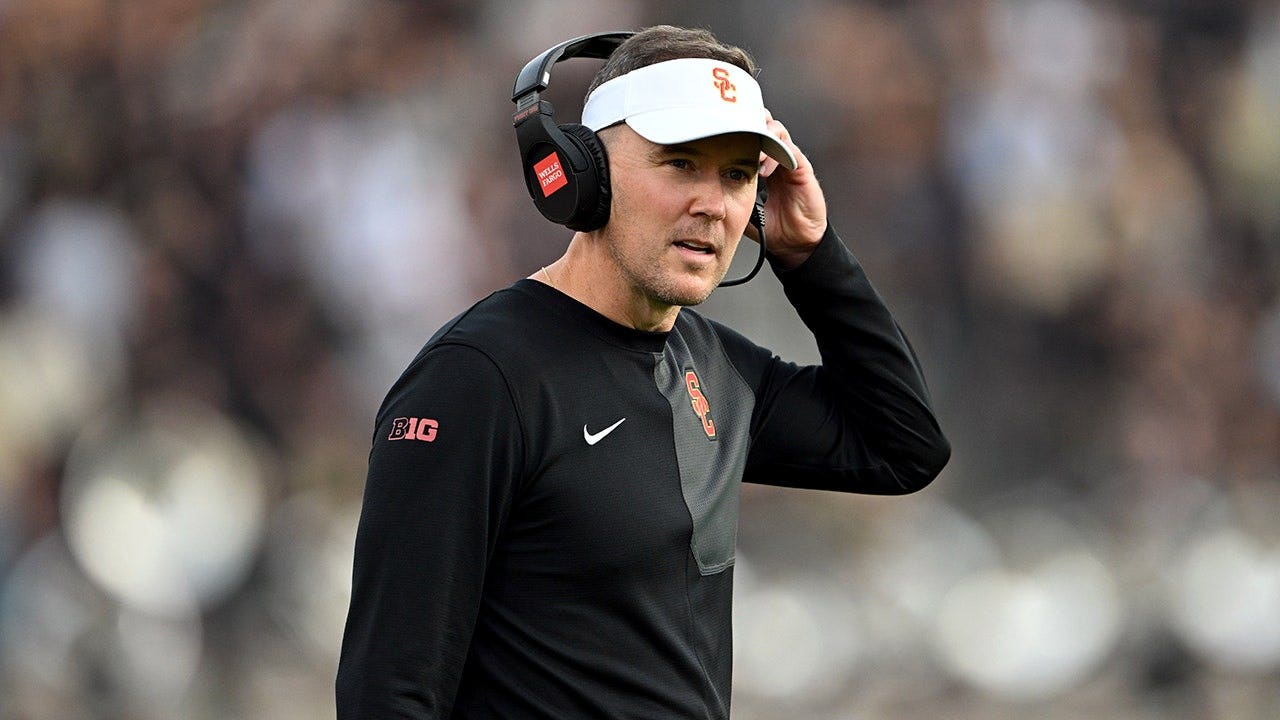
Lincoln Riley told media and podcaster Colin Cowherd that he believes he is a better coach now than when he coached at Oklahoma and that USC has made tangible progress toward returning to national contention. Riley referenced roster-building, teaching on the field, and signs of development both on and off the field. He also said the Trojans were “snaps away” from being in the College Football Playoff in 2022. The article notes Riley’s Oklahoma record (55–10 overall, 33–7 in conference), four New Year’s Six appearances, and three consecutive 12-win seasons. Since Riley arrived at USC ahead of the 2022 season, USC came close to the playoff in 2022 but has not been a serious playoff contender in subsequent seasons; the team was outplayed by Oregon in Eugene and had a late loss to Illinois in 2025 and a notable turnover on a trick play at Notre Dame. The USC athletic department is now led by general manager Chad Bowden, and USC’s NIL efforts helped secure what outlets call the nation’s No. 1 recruiting class. USC’s 2026 schedule is described as difficult (road games at Indiana, Penn State, Wisconsin; home games versus Ohio State, Oregon, Washington; rivalry with UCLA under a new coach). The article frames 2026 as a pivotal season for Riley, noting fan impatience and that expectations may require reaching double-digit wins and the playoff to quiet job-security questions. Sources cited in the article include Riley’s statements at Big Ten meetings (reported by CBS Sports) and commentary from OutKick/Fox News.
Biblical Reflection
From a Christian pastoral perspective, this story sits at the intersection of leadership, performance pressure, and community expectations. Riley’s claim that he’s improved is a personal judgment shaped by experience; it cannot be tested apart from results, but it is not unreasonable for a leader to say he has grown. The article’s framing, however, leans into a win-or-lose narrative common in sports media that measures value primarily by championships and playoff appearances. That mindset can cultivate impatience, scapegoating, and a short memory for incremental, character-forming progress. Christians should recognize the legitimate role of accountability—coaches are paid to produce results and make strategic decisions—but also resist reducing people to their wins and losses. Praise and criticism both ought to be measured: praise when honest progress is evident (recruiting, organizational alignment, player development) and critique when choices repeatedly harm the team. The article includes specific examples (a risky play call leading to a turnover, being outplayed by Oregon) that justify public discussion about decision-making. At the same time, the broader sports culture’s hunger for quick fixes can pressure leaders into prideful declarations or reckless gambles. A biblical wisdom lens values humility, patient stewardship, and truth-telling—calling leaders to learn and improve while calling the community to temper its anger with mercy. For readers: weigh Riley’s claims against concrete evidence (roster strength, game film, recruiting, organizational changes) rather than headlines or partisan fandom, and remember that leadership growth is real but not an automatic substitute for accountability.
Scripture in context
This outlook does not yet include contextual Scripture citations. Do not treat a general biblical theme as an exegetical conclusion.
Faithful Response
No prescribed response is offered. Consider the reflection prompts below in your own church context.
Reflection and Discussion
- 1Am I accepting performance-focused narratives that equate a person’s worth with wins, or can I hold both accountability and compassion in tension?
- 2What specific evidence would move me from hope to confidence about a leader’s claimed improvement—roster changes, coaching decisions, player development, or results?
- 3Is the media framing encouraging quick verdicts that fuel impatience, and how might that shape the team culture and the community’s response to failure?
Sources
Reporting links are evidence inputs; Sanctuary News' biblical reflection is commentary.
This outlook currently relies on fewer than two linked sources. Broaden verification before teaching from it.
- 1.Original reportprimary