News Summary
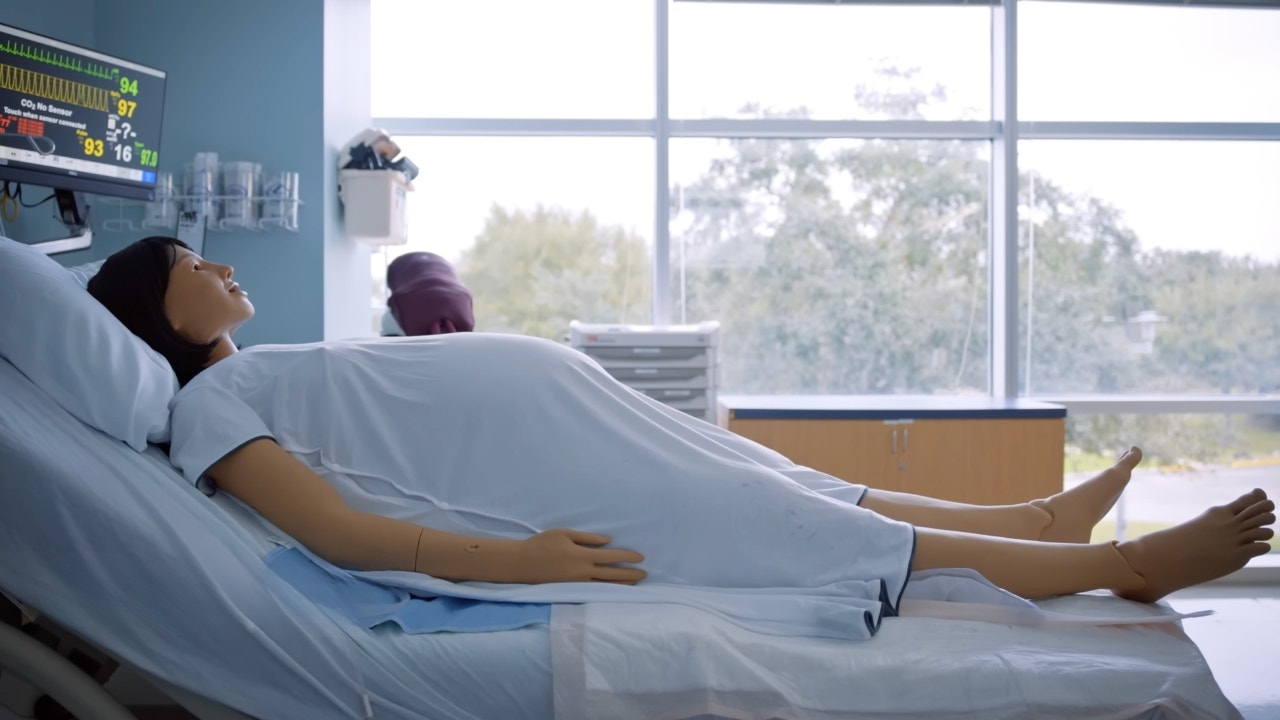
York St. John University in York, England has added a high-fidelity childbirth simulator called "Mama Anne" to its midwifery training. Developed by Laerdal Medical, the mannequin breathes, blinks, speaks, produces pulses, displays changing vital signs and can deliver a baby mannequin in multiple positions. Instructors use Mama Anne to run full labor scenarios and reproduce complications (e.g., postpartum hemorrhage, shoulder dystocia) so students can practice technical procedures, patient communication, obtaining consent, and emergency management in a controlled environment. The simulator’s realism aims to build student competence and confidence before clinical placements, reduce the emotional shock of first real emergencies, and ultimately improve patient outcomes. The article notes some find the lifelike robot unsettling but highlights educators’ view that simulation complements — not replaces — human caregivers and may expand across other areas of medical training.
Biblical Reflection
From a biblical perspective, this development is largely a responsible use of human creativity when directed toward loving and protecting neighbors. Scripture affirms that God gives humanity the capacity to steward creation and to use wisdom for the common good (Genesis 1–2; Proverbs). Training tools that reduce avoidable harm, prepare caregivers for emergencies, and promote respectful patient consent can be an expression of neighbor-love and good stewardship. At the same time the Bible warns against treating people as instruments or losing our humility before God and one another. The lifelike nature of Mama Anne raises two Christian cautions: 1) pastoral and ethical vigilance — technology must never replace the human presence, compassion, and dignity owed to mothers and infants; and 2) prudence about dependence — simulators should augment formation in empathy, moral judgment, and spiritual care, not substitute for them. Practically, Christians should welcome tools that reduce suffering and improve competence while advocating for training that preserves personhood, informed consent, equitable access, and the cultivation of bedside compassion. We rejoice when innovation protects life, but we also call for wise oversight, humility about what machines can do, and intentional teaching of the moral and pastoral dimensions of care.
Scripture in context
This outlook does not yet include contextual Scripture citations. Do not treat a general biblical theme as an exegetical conclusion.
Faithful Response
No prescribed response is offered. Consider the reflection prompts below in your own church context.
Reflection and Discussion
- 1How does this technology help you see the command to love your neighbor expressed in practical care for the vulnerable?
- 2Where should we set limits so that tools like simulators serve human dignity rather than replace the pastoral presence and compassion patients need?
- 3In what ways can the local church support caregivers so that technical competence is matched by spiritual and emotional care?
Sources
Reporting links are evidence inputs; Sanctuary News' biblical reflection is commentary.
This outlook currently relies on fewer than two linked sources. Broaden verification before teaching from it.
- 1.Original reportprimary