News Summary
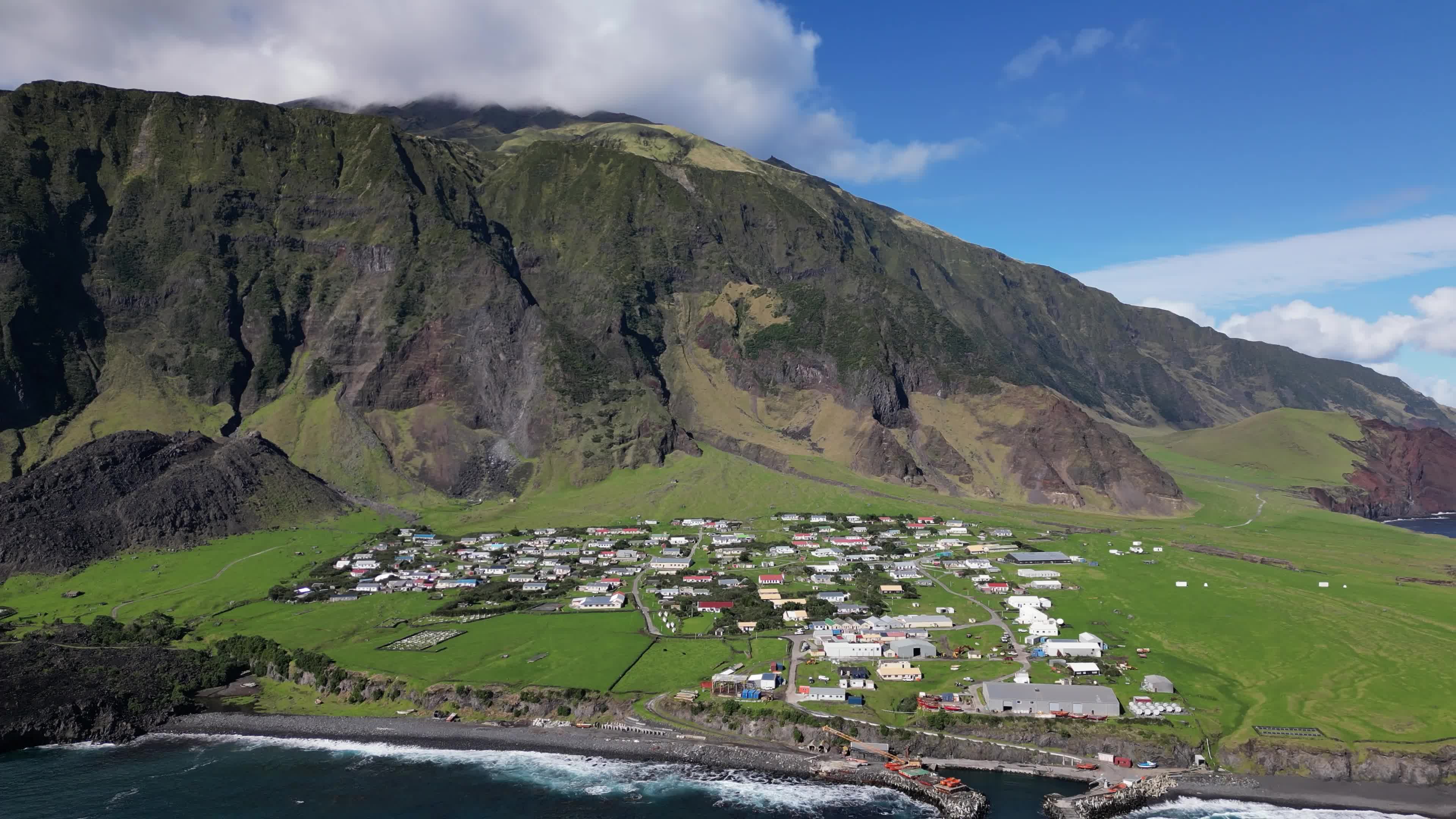
Photographers and a writer-filmmaker documented daily life on Tristan da Cunha, a British overseas territory in the South Atlantic located roughly halfway between South Africa and South America. The island has no airport, is reached only by occasional ships, and contains a single village, Edinburgh of the Seven Seas, with about 221 residents descended from multiple national backgrounds. Extreme geographic isolation shapes community life: residents share labor across roles, manage livestock and potato plots, process and tag large lobster catches, and support scientific and conservation work (including tagging sharks and processing deep-sea specimens). The island’s cooperative economic model traces to an 1817 agreement called “the Firm,” which emphasized shared stock and equal standing. Modern changes—electricity introduced during WWII, a commercial lobster fishery established in 1949, evacuation and return after a 1961 volcanic eruption, improved shipping and satellite internet, and a new lobster concession with a larger vessel—have accelerated rhythms of work and increased contact with the outside world. Islanders balance weather-dependent schedules with multiple responsibilities; visiting ships trigger intense logistical activity to unload supplies and distribute goods. The article describes everyday scenes—harbor activity, fisheries operations, fieldwork, community gatherings, and conservation projects—while noting ongoing tensions between self-reliance and growing external connections.
Biblical Reflection
The article presents Tristan da Cunha as a real-world example of neighborly interdependence, stewardship of place, and vocational adaptability. It highlights virtues Christians affirm: mutual aid, humility, and sacrificial service (people doing multiple jobs for the common good). The piece is largely descriptive and appreciative rather than polemical; its primary framing is human-interest rather than advocacy. Possible soft biases include gentle romanticization of insularity (the “idyllic but busy” contrast) and limited exploration of structural challenges—healthcare access, long-term economic dependency on external markets, or cultural shifts from increased outside contact—so readers should note what the story emphasizes and what it omits. From a biblical perspective, Tristan’s cooperative ethic echoes scriptural calls to bear one another’s burdens and to steward creation (e.g., shared provision, careful management of livestock and fish stocks, conservation work). The described move toward larger commercial vessels, tourism, and improved internet brings both opportunity and risk: economic stability and greater connection can bless the community, but they can also introduce consumerism, cultural erosion, and new dependencies. Christians reading this should celebrate examples of faithful community and stewardship while exercising discernment about how outside influences reshape values and practices. Pray for wisdom for island leaders to preserve communal care, justice in economic arrangements, and prudent stewardship of natural resources.
Scripture in context
This outlook does not yet include contextual Scripture citations. Do not treat a general biblical theme as an exegetical conclusion.
Faithful Response
No prescribed response is offered. Consider the reflection prompts below in your own church context.
Reflection and Discussion
- 1What values does the article celebrate (self-reliance, cooperation, productivity), and how might those values be reshaped when outside economic forces—larger fishing vessels, tourism, satellite internet—arrive?
- 2Where does the piece leave out longer-term structural concerns (healthcare, youth retention, ecological limits), and how should that gap affect how we interpret the story's optimistic details?
- 3How can the island’s practices of shared labor and local stewardship inform our thinking about Christian community and responsible care for creation in a globalized world?
Sources
Reporting links are evidence inputs; Sanctuary News' biblical reflection is commentary.
This outlook currently relies on fewer than two linked sources. Broaden verification before teaching from it.
- 1.Original reportprimary