News Summary
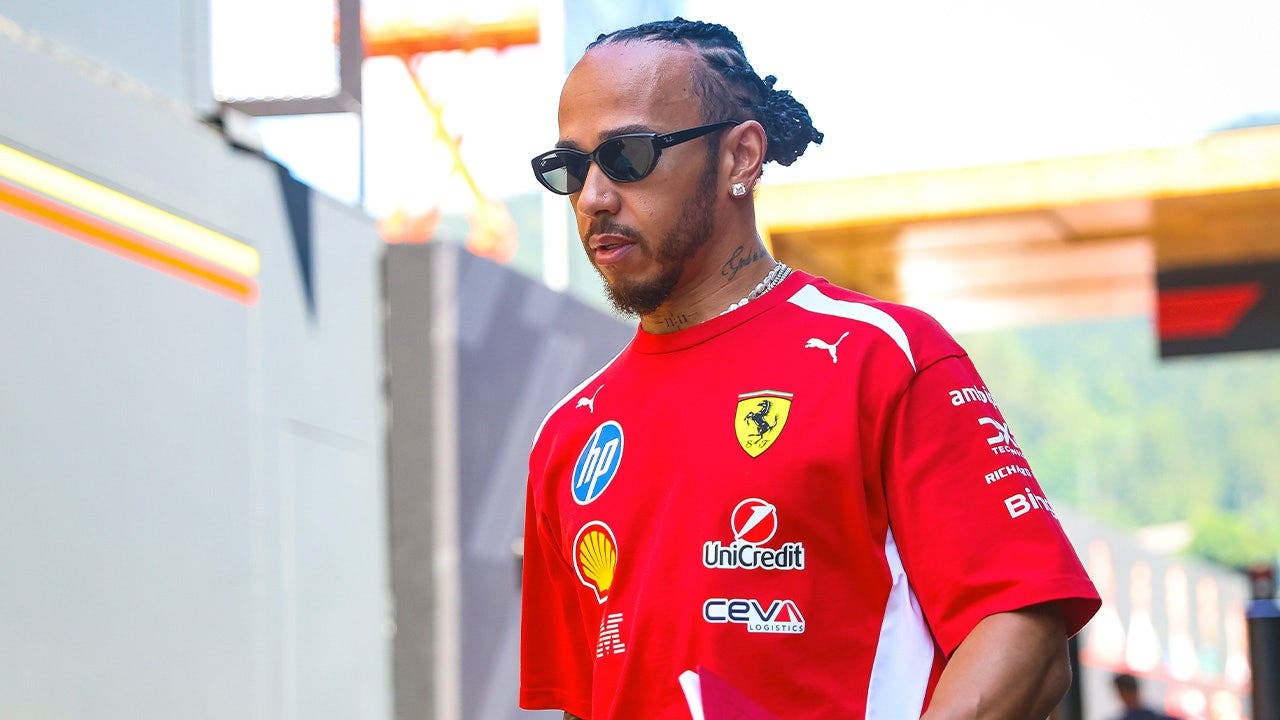
Lewis Hamilton revealed that during a private preseason test in early 2025 at the Barcelona circuit he crashed and sustained a serious neck injury. He said the impact “knocked out one of the discs” and affected a nerve, leaving him largely limited for about nine weeks. During that time he received daily chiropractic care, painkillers, and an injection, and he experienced trouble sleeping. Hamilton said he still participated in preseason testing and a couple of races while dealing with the injury. Two weeks before this report he won the Spanish Grand Prix, his 106th career victory and his first with Ferrari (the team he joined in 2025). At the current Austrian Grand Prix weekend he recorded P5 in both Friday practice sessions, finishing ahead of teammate Charles Leclerc. The account is based on Hamilton’s public statements as reported by The Athletic and summarized in the article.
Biblical Reflection
Hamilton’s disclosure is straightforward and comes from his own account; it adds a factual layer to the ‘comeback’ narrative around his Spanish Grand Prix win. The piece mainly highlights resilience and athletic toughness, a common sports framing that celebrates perseverance. From a Christian perspective, it’s right to admire courage and determination, but we should also notice what may be downplayed: the real physical cost of competing while injured and the pressure on elite athletes to perform despite medical risk. The story invites questions about stewardship of the body (we are called to care for the bodies God has given us), institutional responsibility (teams and leagues should protect athletes’ long-term health), and truthful reporting (praise for success should not obscure ongoing health consequences). Hamilton’s openness can encourage honest conversation about athlete welfare, and Christians can respond with compassion for his pain and advocacy for practices that protect life and health rather than valorize risk alone.
Scripture in context
This outlook does not yet include contextual Scripture citations. Do not treat a general biblical theme as an exegetical conclusion.
Faithful Response
No prescribed response is offered. Consider the reflection prompts below in your own church context.
Reflection and Discussion
- 1Are we quick to celebrate ‘grit’ in sports even when it may encourage players to risk long-term health?
- 2How does media framing of a ‘comeback’ shape what we value: victory at any cost or sustained health and dignity?
- 3What responsibility do teams, fans, and leaders have to protect athletes rather than idolize performance?
Sources
Reporting links are evidence inputs; Sanctuary News' biblical reflection is commentary.
This outlook currently relies on fewer than two linked sources. Broaden verification before teaching from it.
- 1.Original reportprimary