News Summary
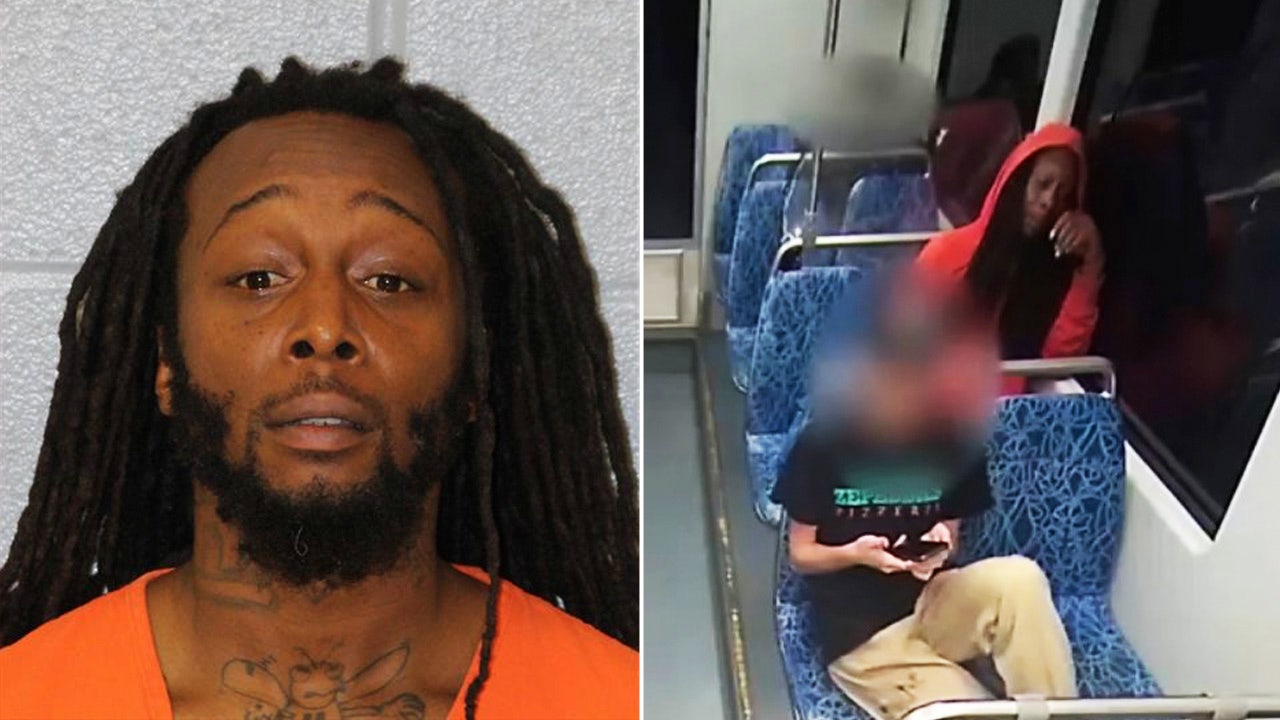
The article discusses the controversy surrounding judicial leniency in the United States, particularly in cases involving violent repeat offenders. Attorney Nicole Brenecki highlights the ongoing increase in recidivism and the dangers posed when individuals with histories of violence are released back into society. The tragic case of Iryna Zarutska, a Ukrainian refugee killed in Charlotte by a recently released repeat offender with a known history of violence and mental illness, serves as a focal point for criticism. Brenecki explains that judges face immense pressure due to overwhelming caseloads and growing societal trends toward leniency, but also emphasizes that legal constraints and the principle of judicial discretion play a significant role. She argues that repeated arrests, even without convictions, should be taken more seriously as red flags. The article further explores the balance judges must maintain between the presumption of innocence and public safety, and raises concerns about political and social pressures influencing judicial decisions, sometimes at the expense of community safety.
Biblical Reflection
From a biblical perspective, justice and mercy are both essential virtues, but they must be held in balance. Scripture repeatedly calls for the protection of the vulnerable and the upholding of justice (Isaiah 1:17; Micah 6:8). While compassion for the accused and the rehabilitative aims of the justice system are important (Matthew 25:36), the failure to adequately protect the innocent from harm is a grave concern. The release of individuals with clear patterns of violence, especially when it leads to further tragedy, reflects a failure to steward authority responsibly (Romans 13:1-4). The biblical standard for leadership calls for discernment, wisdom, and a commitment to the well-being of the community. The tension between mercy and justice should not result in the neglect of either, but rather a pursuit of both, with particular care for the safety of the innocent. This story serves as a sobering reminder of the consequences when justice is not rightly administered and challenges us to pray for wisdom for those in authority, support for victims, and compassionate solutions that address root causes of crime.
Scripture in context
This outlook does not yet include contextual Scripture citations. Do not treat a general biblical theme as an exegetical conclusion.
Faithful Response
No prescribed response is offered. Consider the reflection prompts below in your own church context.
Reflection and Discussion
- 1How do I balance mercy and justice in my own life and relationships?
- 2What responsibilities do leaders and authorities have to protect the vulnerable according to Scripture?
- 3How can I pray for and support both victims of crime and those at risk of reoffending?
Sources
Reporting links are evidence inputs; Sanctuary News' biblical reflection is commentary.
This outlook currently relies on fewer than two linked sources. Broaden verification before teaching from it.
- 1.Original reportprimary