News Summary
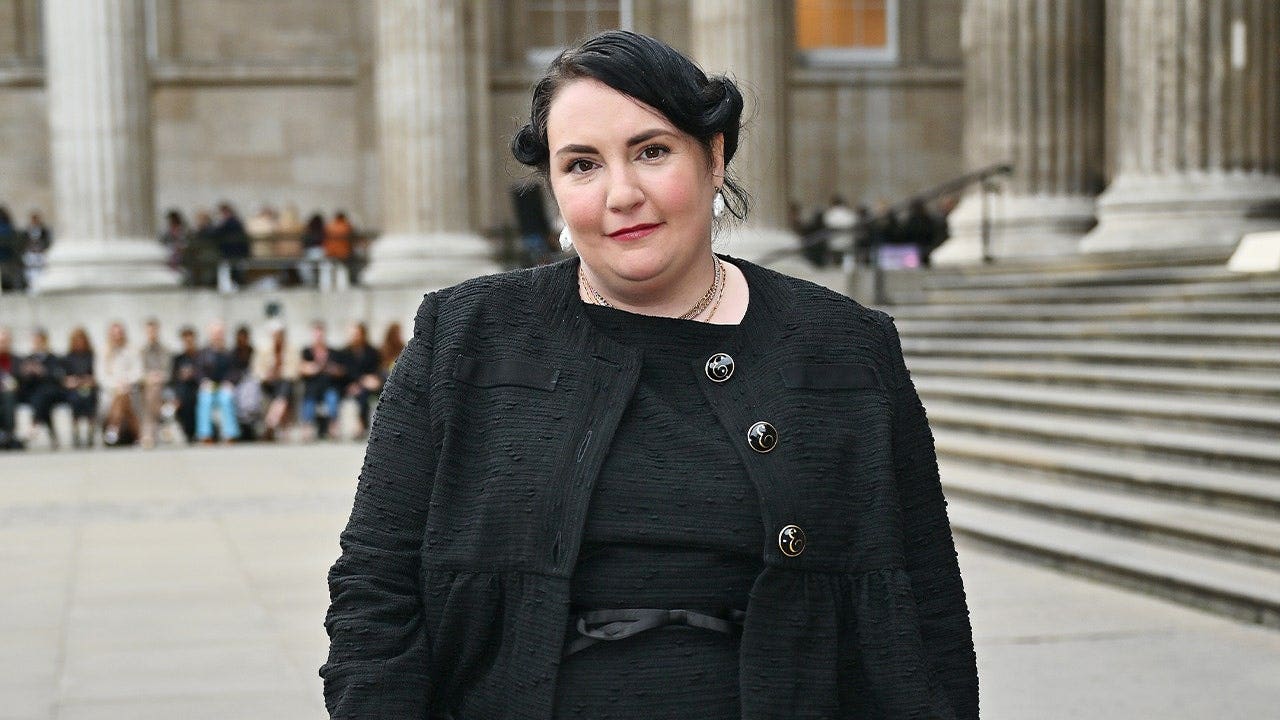
On a recent episode of "The Interview" podcast (and speaking on the New York Times' podcast), Lena Dunham said she campaigned for Barack Obama in 2012 and recalled that, when she planned to vote with her father during the 2012 Obama–Romney election, he told her he did not want to be seen voting with her. Dunham said this moment made her realize the extent of negative attention she had been receiving. The article also recounts that Dunham and her HBO series Girls faced criticism in 2012 for lack of racial inclusivity and portrayals of economic privilege, that old racially insensitive tweets of hers resurfaced before the show's premiere, and it lists several past controversies and provocative public comments she has made.
Biblical Reflection
This item is a personal recollection from a public figure about how political engagement and public backlash affected family dynamics. As presented, Dunham's claim is a first-person report; the article uses that memory to illustrate how fame, politics, and online hostility can spill into private life. The piece also aggregates past controversies to contextualize why she received criticism. From a Christian perspective, there are two primary concerns: (1) the real human cost of public shaming and persistent online hostility, which can injure relationships and dignity (we should grieve the harm even when we disagree with a person's views or conduct); and (2) the temptation in media coverage to foreground conflict and controversy because it drives attention, which can obscure nuance and make reconciliation harder. Christians are called to pursue truth, but also to speak the truth in love (Ephesians 4:15) and to avoid cruel or gloating speech (James 4:11–12). When news frames personal anecdotes alongside a list of prior controversies, readers should note the editorial tendency to create a pattern or narrative — that may be fair in some cases, but can also harden public judgment and reduce opportunities for repentance and repair. Practically: evaluate firsthand claims with charity and caution; resist joining online mobs; hold public figures accountable without dehumanizing them; and consider how partisan tribalism affects families and friendships.
Scripture in context
This outlook does not yet include contextual Scripture citations. Do not treat a general biblical theme as an exegetical conclusion.
Faithful Response
No prescribed response is offered. Consider the reflection prompts below in your own church context.
Reflection and Discussion
- 1Am I quick to join a public shaming or to assume a pattern from a few incidents, or do I allow space for context, repentance, and restoration?
- 2How does partisan identity shape how I interpret personal stories about voting, family choices, and public criticism?
- 3When reporting links a personal anecdote to a history of controversies, what editorial motives or biases might be shaping the narrative?
Sources
Reporting links are evidence inputs; Sanctuary News' biblical reflection is commentary.
This outlook currently relies on fewer than two linked sources. Broaden verification before teaching from it.
- 1.Original reportprimary