News Summary
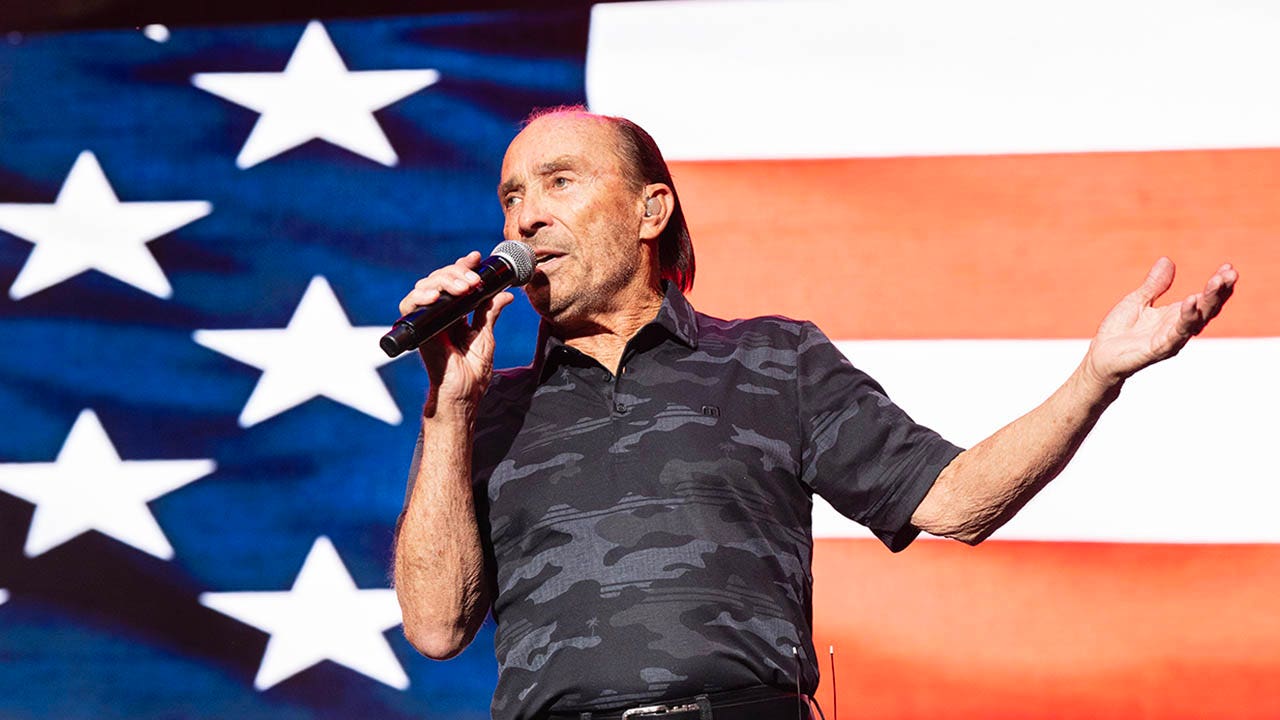
Lee Greenwood, author of the song "God Bless the U.S.A.," published an opinion piece arguing that U.S. AM/FM radio stations do not pay recording artists performance royalties because of a long-standing legal loophole. He says commercial broadcasters profit from playing recordings without compensating session musicians, backup singers, and other performers, while digital platforms and foreign broadcasters do pay. Greenwood endorses the American Music Fairness Act, a bipartisan bill led by Sen. Marsha Blackburn and Rep. Darrell Issa that would require large radio corporations to pay performance royalties while allowing independent local stations to pay a modest flat fee. He argues passage would also unlock withheld foreign royalties and prevent further international withholding (citing EU actions) and praises former President Donald Trump for having signed the earlier Music Modernization Act and as someone who could sign this bill into law.
Biblical Reflection
This op-ed centers on a legitimate policy grievance: many U.S. recording performers historically have not received performance royalties from terrestrial radio, and the American Music Fairness Act is a concrete legislative effort to change that. From a Christian perspective, the aim to secure fair pay for laborers who create value aligns with biblical concerns for justice and care for the vulnerable—session musicians and backup singers who seldom receive public attention. At the same time, this is an opinion piece on a partisan platform and includes political advocacy (praising a particular president and framing corporate radio as lobbying villains). Readers should note the persuasive intent and verify technical legal claims (scope of exemptions, projected economic impacts, and consequences for small stations) with neutral sources. The underlying worldview is one of economic justice for workers combined with populist critique of concentrated corporate privilege; that is broadly compatible with Christian calls for fairness, but it should not be read as an impartial policy analysis. Christians weighing this story should commend efforts to protect the low-paid and hold power to account, while also asking whether proposed reforms are carefully designed to avoid unintended harms to small community broadcasters or to cultural access.
Scripture in context
This outlook does not yet include contextual Scripture citations. Do not treat a general biblical theme as an exegetical conclusion.
Faithful Response
No prescribed response is offered. Consider the reflection prompts below in your own church context.
Reflection and Discussion
- 1Who stands to gain and who might be disadvantaged by this legislation, and are exemptions and safeguards adequate for small community stations?
- 2Does the op-ed clearly separate factual claims about law and economics from partisan praise and persuasion?
- 3How does this debate reflect broader priorities about honoring labor, stewarding cultural treasures, and limiting corporate privilege?
Sources
Reporting links are evidence inputs; Sanctuary News' biblical reflection is commentary.
This outlook currently relies on fewer than two linked sources. Broaden verification before teaching from it.
- 1.Original reportprimary