News Summary
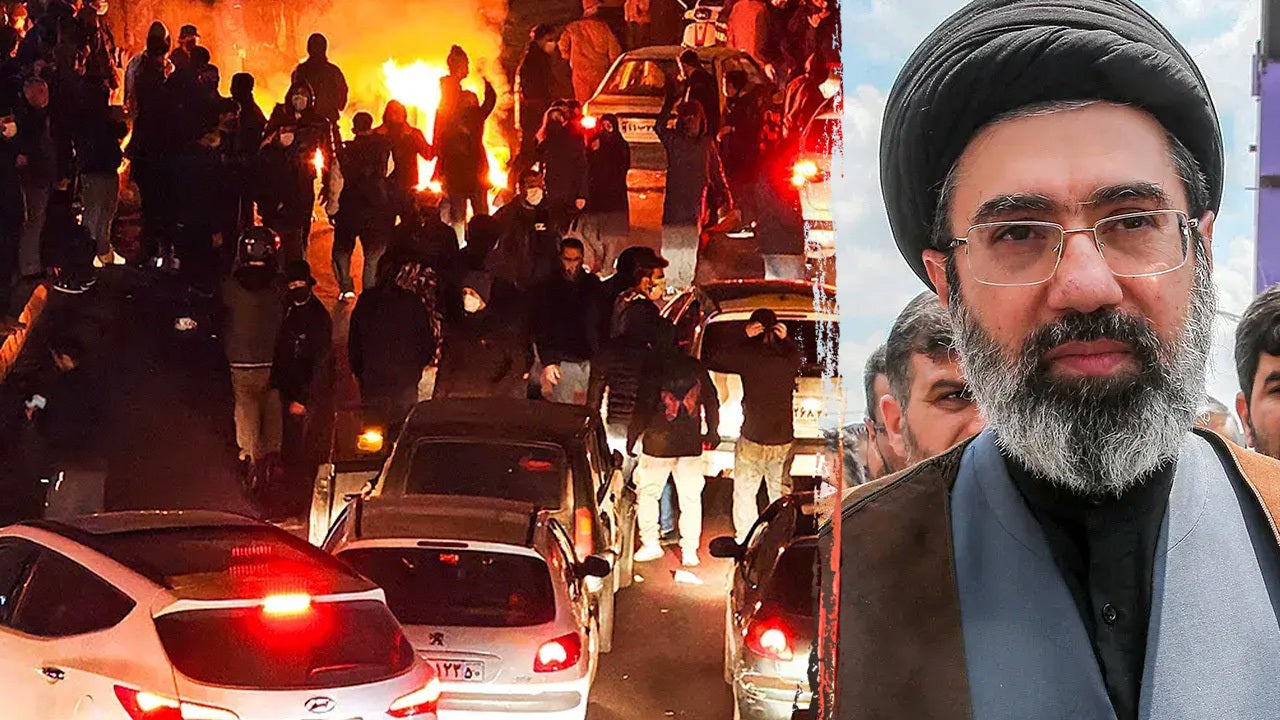
A confidential document titled “What Iran Wants,” reportedly prepared by Ali Rabiei for President Masoud Pezeshkian and based on Ara Opinion Research Center polling from May 2026, was obtained and published by IranWire. The report found that only 9% of respondents supported maintaining the status quo, about 53% favored fundamental or structural reforms, and more than 19% supported changing the political system — together nearly three-quarters favoring deep reform or replacement. It reported high levels of negative sentiment (about 64% persistent anger, roughly 50% hopelessness, 48% sadness/depression, 45% persistent fear/anxiety) and severe economic distress (over 81% experienced difficulty obtaining enough food, 75% struggled with medical costs, 54% said income did not cover expenses, 8% able to save). Respondents attributed economic problems more to domestic governance (inefficiency 46.9%, corruption 26.3%) than to foreign sanctions (20.7%). The report also recorded distrust of major state institutions (around 60%) and poor assessments of officials’ ability to solve problems. The report’s recommendations reportedly focused on managing public perception—better explaining sanctions, moderating official rhetoric, presenting a more inclusive image—rather than proposing substantive institutional or economic reforms. The article notes the methodology details were not included and cannot be independently verified, and analysts cautioned that polling under authoritarian conditions likely underestimates true opposition due to self-censorship. Commentators cited expanding protests and strikes across Iran and warned the regime retains strong institutions for surveillance and repression, making the timing and likelihood of organized regime change uncertain.
Biblical Reflection
This reporting centers on two realities Christians should weigh together: profound human suffering and the limits of interpreting leaked data as a clear roadmap to political outcomes. The documented economic hardship and widespread anger call for compassion, solidarity, and concern for basic human needs — core Christian duties. At the same time, the article rests on a leaked, partially undocumented survey and commentary from advocacy-linked analysts; that combination risks overstating the immediacy of regime collapse or presenting regime change as a simple policy objective. Christians should resist triumphalism or partisan cheerleading when people suffer, and should be wary of framings that reduce complex social pain to geopolitical advantage. The regime’s capacity for violent suppression, the lack of verifiable methodology, and the outlet’s geopolitical perspective are all reasons to read the piece cautiously. A faithful response emphasizes truth-seeking (carefully assessing sources and limits), mercy (practical care for the hungry and vulnerable), humility (acknowledging uncertainty about outcomes), and a pursuit of peace and justice that protects human life and dignity rather than exploiting suffering for political ends.
Scripture in context
This outlook does not yet include contextual Scripture citations. Do not treat a general biblical theme as an exegetical conclusion.
Faithful Response
No prescribed response is offered. Consider the reflection prompts below in your own church context.
Reflection and Discussion
- 1Whose voices are likely missing or muted in this leaked survey, and how does that affect how we interpret the findings?
- 2Are we reading public suffering primarily as a policy opportunity or as a call to compassionate care and justice?
- 3How does our political perspective shape which sources we trust and how we discuss the prospects for change in another country?
Sources
Reporting links are evidence inputs; Sanctuary News' biblical reflection is commentary.
This outlook currently relies on fewer than two linked sources. Broaden verification before teaching from it.
- 1.Original reportprimary