News Summary
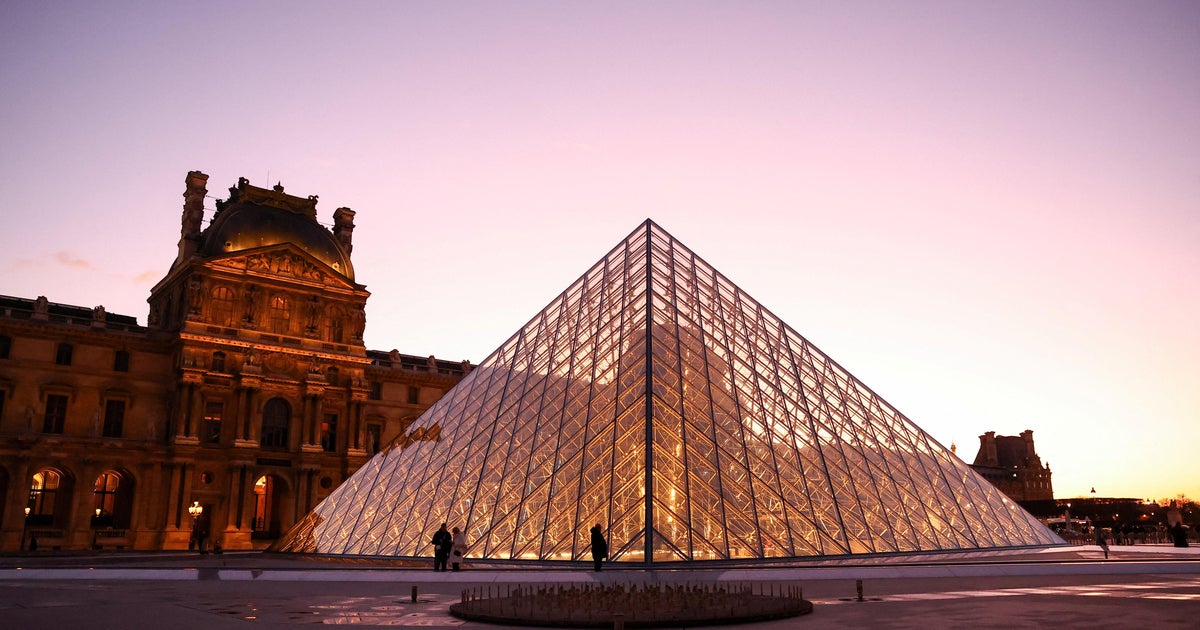
In late November 2025, a water leak in the Louvre Museum’s Egyptian department damaged between 300 and 400 works, primarily Egyptology journals and scientific documentation from the late 19th and early 20th centuries. Museum officials stated that no unique heritage artifacts were affected, and none of the damaged materials are considered irreplaceable. This incident occurred just weeks after a major jewel heist in October, where a group of thieves stole jewelry valued at $102 million. The museum has since implemented emergency security measures and plans to upgrade its obsolete infrastructure by September 2026. Restoration work is underway for the affected documents. Additionally, the Louvre announced a 45% ticket price increase for most non-EU visitors to help fund these improvements, aiming to generate an additional $23 million annually. The Louvre remains the world’s most-visited museum, drawing 8.7 million visitors in 2024.
Biblical Reflection
This story highlights both the fragility and value of human endeavors in the preservation of art and history. The Louvre’s challenges with theft and infrastructure echo biblical themes about the impermanence of earthly treasures and the need for vigilance and stewardship. While the loss of unique artifacts was avoided, the damage to cultural and scholarly materials reminds us that our best efforts to preserve and secure worldly beauty can still fall short. Jesus warned against placing our trust in treasures that can be stolen or destroyed (Matthew 6:19-21). At the same time, the museum’s efforts to restore and protect their collections reflect the biblical call to stewardship—caring for the gifts and knowledge entrusted to us. The increased focus on security and funding also reminds us of the need for wisdom and diligence in managing resources. Ultimately, while art and culture are valuable gifts, they are not everlasting; only the things of God endure forever. This news invites reflection on where we place our ultimate hope and what we consider truly priceless.
Scripture in context
This outlook does not yet include contextual Scripture citations. Do not treat a general biblical theme as an exegetical conclusion.
Faithful Response
No prescribed response is offered. Consider the reflection prompts below in your own church context.
Reflection and Discussion
- 1How do I balance appreciation for art and culture with the reminder that earthly treasures are temporary?
- 2What does good stewardship look like when caring for the resources or knowledge entrusted to me?
- 3Where am I placing my ultimate hope and trust—in things that can be lost or in the things of God that endure forever?
Sources
Reporting links are evidence inputs; Sanctuary News' biblical reflection is commentary.
This outlook currently relies on fewer than two linked sources. Broaden verification before teaching from it.
- 1.Original reportprimary