News Summary
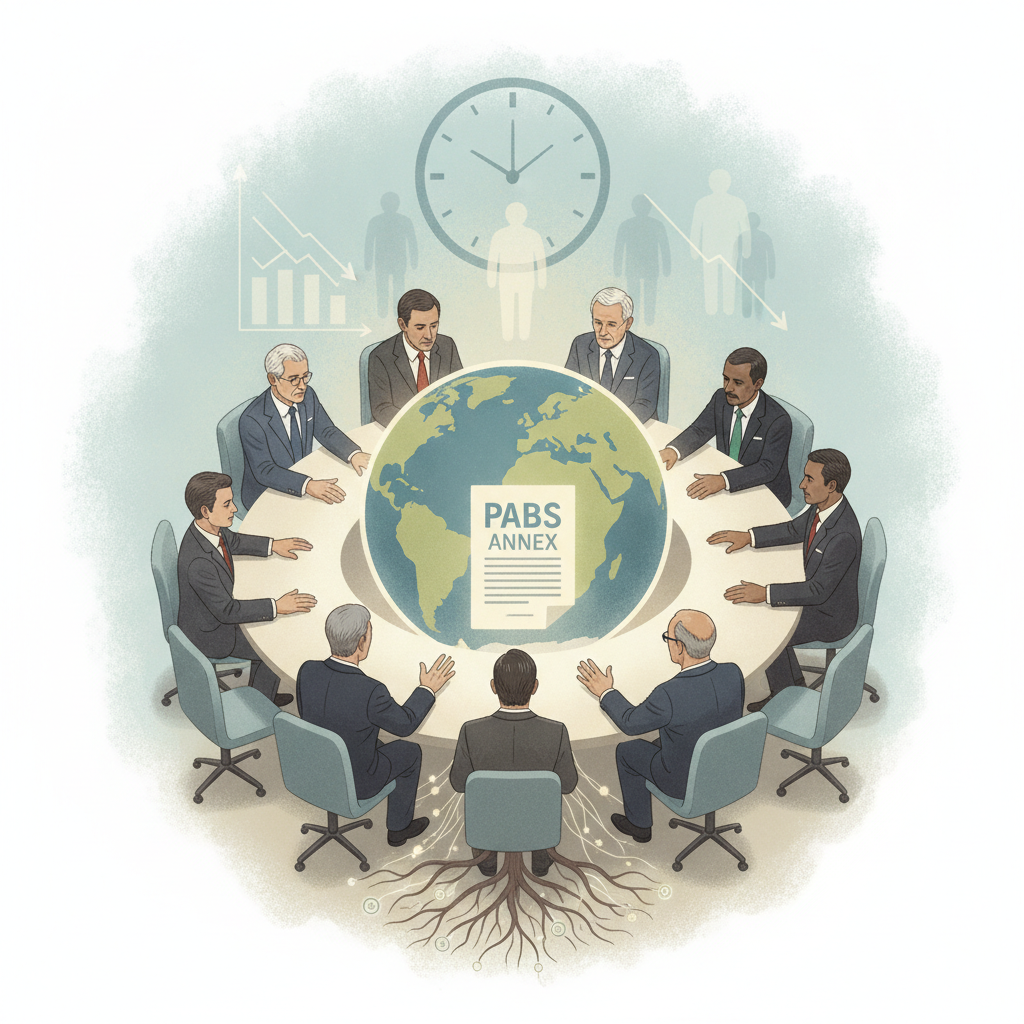
Reported facts: WHO Director-General Tedros and Brazil’s President Lula published a joint open letter on June 15, 2026 urging global leaders to finalize the Pandemic Agreement’s Pathogen Access and Benefit-Sharing annex; negotiators are scheduled to meet 6–17 July; the authors asked for political-level prioritization, operational equity guarantees, and urgency to conclude the annex. Attributed claims: the letter cites estimates (attributed to WHO and others) of up to twenty million deaths in the last pandemic and an IMF estimate of over $13 trillion in global lost output; it also references a cited scientific estimate of about a 1-in-4 chance of another pandemic within a decade and references an active Ebola response in two countries. Uncertainties: the letter summarizes contested negotiations and legal interpretations (e.g., Article 22 paragraph 2) but does not include the annex’s full text, the positions of individual states, the pharmaceutical industry’s stance, or independent verification of numerical estimates.
Source and Framing Analysis
Source role: the piece is an official open letter published by WHO and co-signed by Brazil’s president; it is advocacy from parties actively invested in completing the treaty. Framing: the letter frames completion as both a moral duty and practical necessity, using vivid pandemic memory and economic figures to create urgency. Missing voices: national governments (beyond Brazil), negotiating states with reservations, pharmaceutical and biotech industry representatives, civil-society groups from low-income countries, and legislative oversight bodies are not represented. Incentives: WHO and a endorsing head of state seek to accelerate treaty finalization — incentives include institutional legitimacy, public-health outcomes, and political leadership credit. Disputed claims and verification: mortality and economic-loss figures are attributed and require primary-source checks; legal claims about Article 22’s limits on WHO authority should be verified against treaty text and national legal analyses. Independent verification needed for: mortality and economic estimates, the stated legal effect of the annex on national sovereignty, the exact PABS text proposed, and which operational equity measures would be binding.
Biblical Reflection
The letter urges global cooperation to protect vulnerable life and advance public health — goals Christians can affirm as care for neighbor. It emphasizes solidarity and equity, framing collective preparedness as both moral stewardship and practical self-interest. At the same time, the appeal assumes international institutions and legal frameworks are the most effective path; Christians should discern both the good aims and the limits of such institutions. The letter proactively addresses common sovereignty concerns, but it does not include voices from all affected stakeholders (national legislatures, private-sector developers, civil society, or communities in low-resource settings). Evaluate the claims (mortality, economic loss, pandemic probability) as attributed estimates requiring independent confirmation. Pastoral discernment should endorse preparedness and equitable care while calling for transparency, protection of civil liberties, and honest public conversation about trade-offs—especially where national policies, intellectual property, and distribution systems affect who receives countermeasures first. Christians can support the letter’s spirit of solidarity while pressing for clarity, accountability, and the protection of the poor and powerless in implementation details.
Scripture in context
- 1Philippians 2:3-4 — In a letter to the Philippian church, Paul urges believers to adopt humility, to prefer the interests of others, and to seek unity of purpose rather than selfish ambition; the broader context calls the community to reflect Christlike humility and mutual care amid trials. — Applied to global health cooperation, this passage invites leaders and citizens to prioritize the welfare of others—especially the vulnerable—over national prestige or exclusive advantage; it supports policies that foster mutual care, equitable sharing of resources, and cooperative sacrifice for the common good.
Faithful Response
Pray for wisdom for negotiators, national leaders, and health workers, asking God to protect the vulnerable and grant discernment about trade-offs.
Seek reliable information: read the proposed PABS text and credible analyses, and support accountability that clarifies how equity and sovereignty questions will be resolved.
Advocate locally and nationally for transparent, justice-focused public-health policy that protects civil liberties while ensuring access to treatments and vaccines for the poor.
Practically serve vulnerable neighbors by partnering with local public-health efforts—volunteer, donate to trusted relief organizations, and support community preparedness.
Reflection and Discussion
- 1Which stakeholders are not visible in the WHO letter, and how might their absence affect the fairness of any final agreement?
- 2What evidence would you want to see to trust that the annex’s equity provisions will be operational and enforceable?
- 3How can Christians promote both global solidarity and local accountability in pandemic preparedness policy?
Sources
Reporting links are evidence inputs; Sanctuary News' biblical reflection is commentary.
This outlook currently relies on fewer than two linked sources. Broaden verification before teaching from it.
- 1.Open letter to leaders of G7, G20, BRICS and all nations on finalizing the WHO Pandemic Agreement’s Pathogen Access and Benefit Sharing annexofficial_document