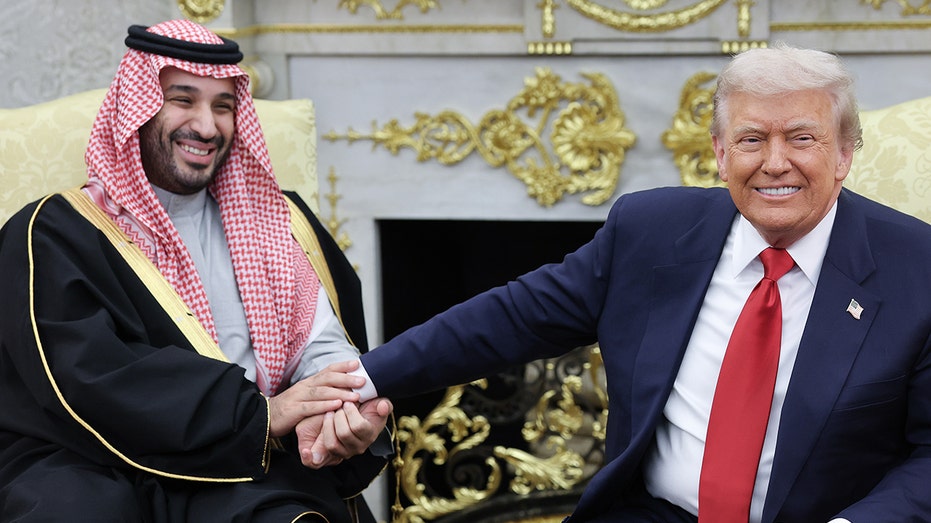
News Summary
Reported facts: The Fox News piece states Democrats warned a U.S.-Saudi nuclear deal could ignite a Middle East arms race and that Republicans argued the deal strengthens regional partnership. Attributed claims: The warnings and defenses are presented as positions held by Democrats and Republicans, respectively. Uncertainty: The supplied article excerpt offers no details about the agreement's text, who negotiated or signed it, oversight mechanisms, timelines, technical safeguards, or statements from independent experts.
Source and Framing Analysis
Material uncertainties that affect the story: the article is a short partisan-angled summary without named sources, technical details, or independent expert analysis. Framing affects perception: the headline linking the deal explicitly with 'Trump' primes readers to view the agreement through partisan lenses. The lack of documentary detail or external expert voices limits the reader's ability to evaluate the core security claims.
Biblical Reflection
This report highlights a predictable political divide over a high-stakes foreign-policy question: Democrats warn of proliferation and destabilization, while Republicans emphasize alliance-building and countering regional threats. As Christians, we are called to weigh such claims with careful discernment—separating partisan rhetoric from verifiable facts, considering long-term consequences for vulnerable peoples, and pressing for transparency and prudent stewardship of power.
The moral questions here include whether a policy will protect or endanger civilians, whether it advances justice and peace, and whether leaders are acting with humility and a willingness to submit to wise counsel. Christians should be suspicious of messaging that reduces complex security issues to slogans or electoral advantage. We should urge policies that prioritize de-escalation, safeguards against proliferation, and meaningful oversight to protect regional civilians.
Finally, evaluate public discourse itself: does the conversation call people to seek peace, care for the vulnerable, and pursue truth? Or does it reward fear and partisan posturing? Pray and advocate for policies guided by restraint, accountability, and a clear commitment to preventing harm to neighbors near and far.
Scripture in context
- 1Matthew 5:9 — Part of the Sermon on the Mount where Jesus teaches his followers about the character of those who belong to his kingdom, calling them to embody a way of life distinguished by righteousness and peacemaking. — This passage calls Christians to pursue peace and reconciliation; applied to foreign policy, it invites scrutiny of actions that escalate conflict and encouragement of measures that reduce harm and foster stability.
Faithful Response
Seek information from primary documents and expert analysis (treat official agreement texts, nonproliferation assessments, and impartial regional studies as essential).
Pray for wisdom for policymakers and for the safety of civilians in the region, asking God to shape hearts toward humility and justice.
Engage civic responsibilities: contact representatives to request transparency, oversight, and nonproliferation safeguards rather than partisan absolutes.
Listen to and amplify voices from the region and from nonpartisan security experts before forming final judgments.
Reflection and Discussion
- 1What additional facts would you need (agreement text, oversight mechanisms, technical safeguards, expert analysis) before endorsing or opposing the deal?
- 2How does the framing of this story (party-aligned warnings and defenses) shape your emotions and willingness to seek deeper information?
- 3In what ways should concern for regional civilians and nonproliferation shape Christian political engagement on this issue?
Sources
Reporting links are evidence inputs; Sanctuary News' biblical reflection is commentary.
This outlook currently relies on fewer than two linked sources. Broaden verification before teaching from it.
Download source notes