News Summary
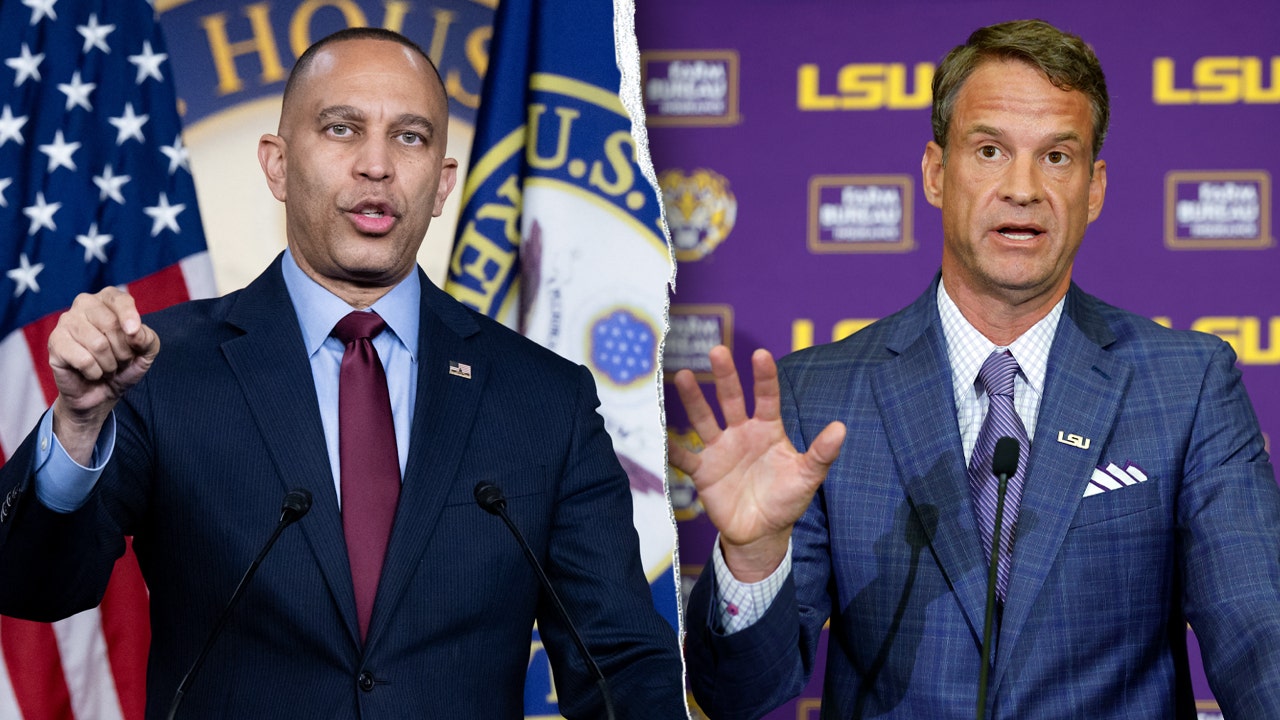
The article explores the ongoing debate in Congress over regulating Name, Image, and Likeness (NIL) compensation for college athletes. With the NCAA unable to enforce nationwide standards, lawmakers are considering the SCORE Act, which would cap athlete compensation from athletic revenue at 22%. The bill is contentious: Republicans generally support it, believing it will bring fairness and structure, while Democrats criticize it as favoring schools over athletes, especially regarding labor rights and the status of student-athletes as employees. The debate is further complicated by political optics, connections to recent college coaching changes, and competing legislative priorities such as healthcare and government spending. As Congress prepares to revisit the issue in 2026, the future of NIL regulation remains uncertain amidst broader concerns over the governance and fairness of college sports.
Biblical Reflection
Scripture often addresses issues of fairness, stewardship, and the dangers of prioritizing money or personal gain over justice and communal well-being. The NIL debate reveals tensions between profit, power, and the proper treatment of individuals—here, college athletes. While it is just to compensate individuals for their labor (Luke 10:7), the pursuit of profit and prestige by institutions and individuals alike can lead to exploitation or favoritism (James 2:1-9). Lawmakers’ struggle to balance the interests of schools, athletes, and broader society echoes the biblical call for justice and equity (Micah 6:8). The current process, marked by political maneuvering and self-interest, risks neglecting the needs and dignity of the student-athletes themselves. Christians are reminded that all people bear God's image and deserve to be treated with fairness and respect, not as means to an end. The goal should be a system that upholds equity, transparency, and the flourishing of all involved—not merely advancing the interests of the powerful or well-connected.
Scripture in context
This outlook does not yet include contextual Scripture citations. Do not treat a general biblical theme as an exegetical conclusion.
Faithful Response
No prescribed response is offered. Consider the reflection prompts below in your own church context.
Reflection and Discussion
- 1How do our personal or institutional interests sometimes conflict with what is just or fair for others?
- 2In what ways can we advocate for fairness and transparency in the systems and communities we are part of?
- 3How might Christian principles guide our attitudes toward compensation, recognition, and the treatment of others in competitive environments?
Sources
Reporting links are evidence inputs; Sanctuary News' biblical reflection is commentary.
This outlook currently relies on fewer than two linked sources. Broaden verification before teaching from it.
- 1.Original reportprimary