News Summary
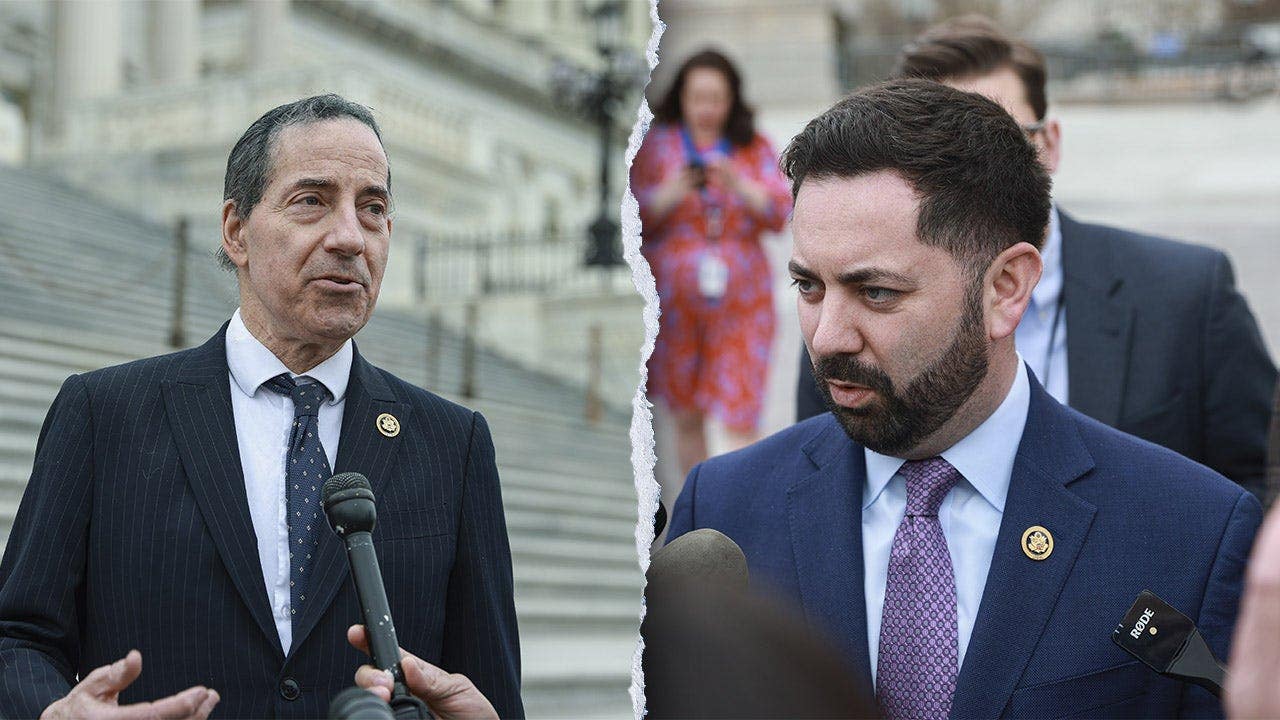
During a House Judiciary Committee hearing on sanctuary policies, Representatives Mike Lawler (R-N.Y.) and Jamie Raskin (D-Md.) engaged in a heated exchange. Lawler accused colleagues of showing outrage over the deaths of two anti-ICE protesters (Renee Good and Alex Pretti) while failing to show equal outrage for victims he says were killed by undocumented immigrants (Laken Riley and Sheridan Gorman). Raskin responded by saying Lawler did not belong on the committee and told him to “get the hell out of here.” Lawler cited a Jan. 27 New York Times op-ed he wrote criticizing federal immigration enforcement tactics after the Minneapolis shootings. The article notes Raskin’s public support for sanctuary policies and summarizes both representatives’ positions on local cooperation with federal immigration authorities.
Biblical Reflection
This episode illustrates how grief and public safety concerns easily become politicized in partisan settings. The exchange is factually rooted in real tragedies and legitimate policy differences — questions about enforcement tactics, jurisdictional authority, and public-safety tradeoffs are substantive and deserve careful, sober debate. Yet the shouting and personal attacks compress complex legal and moral issues into binary moral verdicts and risk treating victims and grieving families as rhetorical tools. Christians are called to seek truth, speak justly, and show compassion; that requires resisting tribal posturing and prioritizing clear facts, due process, and the dignity of all people affected. Lawmakers should be held accountable for policy proposals and factual claims, but critics on all sides should guard against using human suffering merely to score political points. In practice this means asking for verified evidence, centering the needs of victims and communities, and pursuing reforms that balance mercy, safety, and the rule of law.
Scripture in context
This outlook does not yet include contextual Scripture citations. Do not treat a general biblical theme as an exegetical conclusion.
Faithful Response
No prescribed response is offered. Consider the reflection prompts below in your own church context.
Reflection and Discussion
- 1Whose voices and losses are being centered or sidelined when this debate is framed primarily as a partisan confrontation?
- 2Are the policy arguments being advanced supported by evidence about public safety and law, or are they amplified mainly through emotional appeals?
- 3How does treating human tragedy as a political weapon affect the possibilities for just, compassionate policy solutions?
Sources
Reporting links are evidence inputs; Sanctuary News' biblical reflection is commentary.
This outlook currently relies on fewer than two linked sources. Broaden verification before teaching from it.
- 1.Original reportprimary